Presidential Aide Abba Isa Outlines Sustainability Roadmap for Sightsavers’ SABI-Woman Project
By Lanre Oloyede
The Senior Special Assistant to the President on Special Needs and Equal Opportunities, Mohammed Abba Isa, has outlined key strategies for sustaining the gains recorded under the Strengthening Access to Business Education and Inclusion for Women (SABI-Woman) Project, urging stakeholders to institutionalise inclusive education and economic empowerment initiatives for women and girls with disabilities.
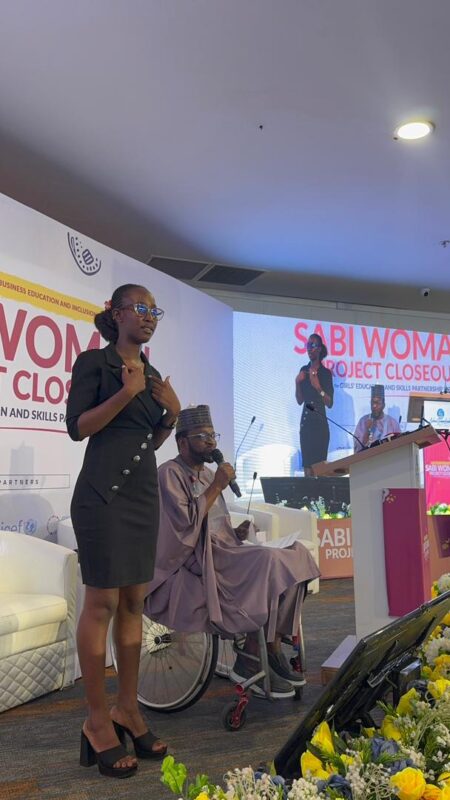
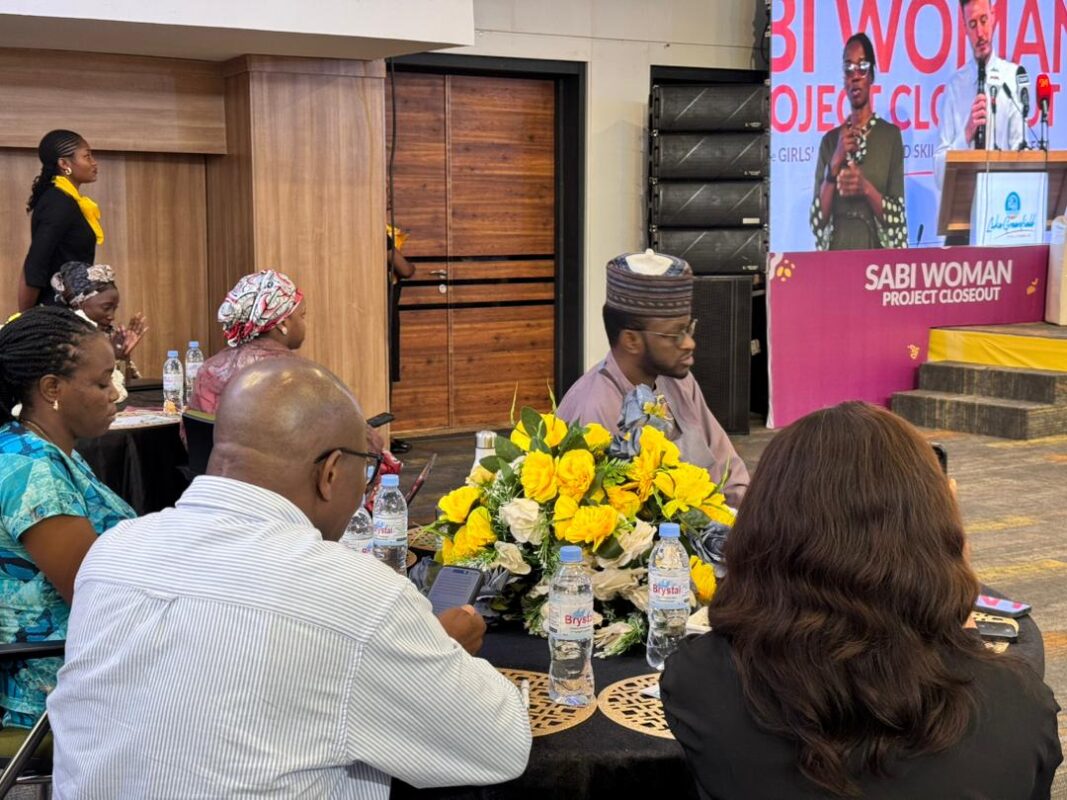
Speaking at the close-out event of the SABI-Woman Project under the Girls Education and Skills Partnership (GESP), Abba Isa said the long-term success of the initiative would depend on deliberate efforts by governments, development partners and communities to build on the achievements recorded over the last two years.
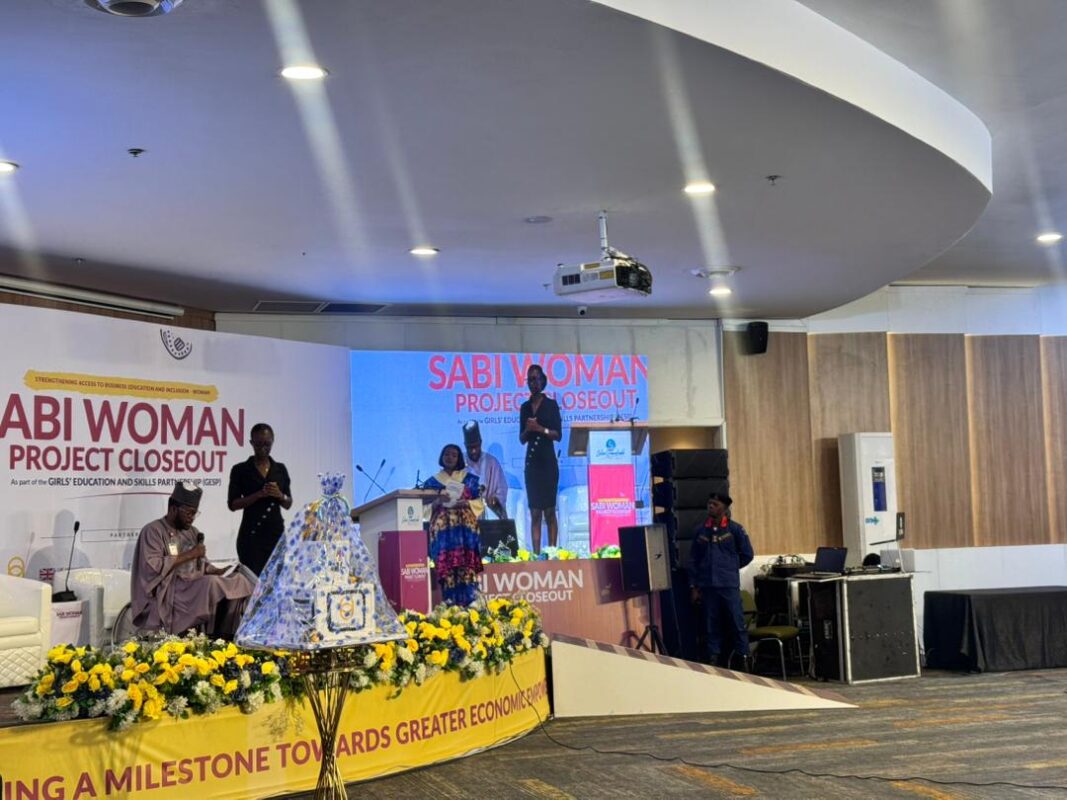
The project was implemented by Sightsavers Nigeria in partnership with organisations of persons with disabilities, Project Enable Africa and the Kanawa Educational Foundation for the Disabled, alongside private sector partners and development institutions.
Abba Isa identified five critical pathways for sustainability, beginning with the need for state and local governments to mainstream inclusive education principles into policies, budgets and implementation frameworks.
“Inclusive education should not remain a project-based intervention but must become an institutionalised practice,” he said.
He also called for the strengthening of community support structures established under the project to ensure continued advocacy, monitoring and support for girls with disabilities.
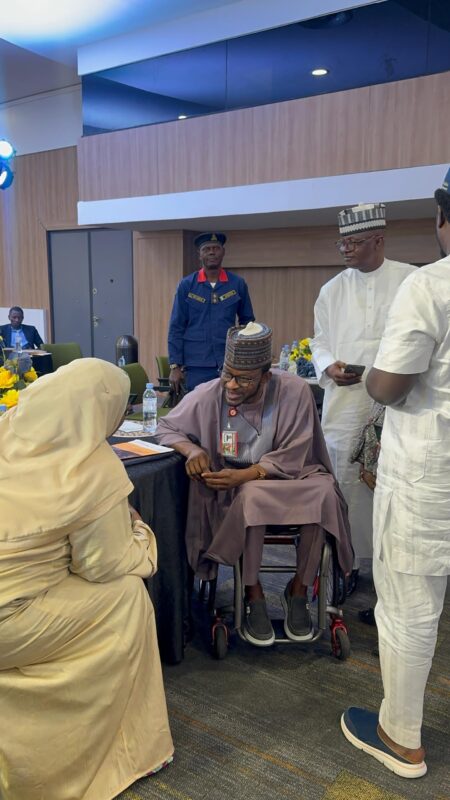
The presidential aide further advocated stronger collaboration among government agencies, the private sector, development partners and organisations of persons with disabilities to create employment, entrepreneurship and financial inclusion opportunities for beneficiaries.
According to him, sustained data collection and evidence generation are essential for informing future policies and programmes, while investments in digital skills, vocational training and emerging economic opportunities should be expanded to prepare young women with disabilities for the evolving labour market.
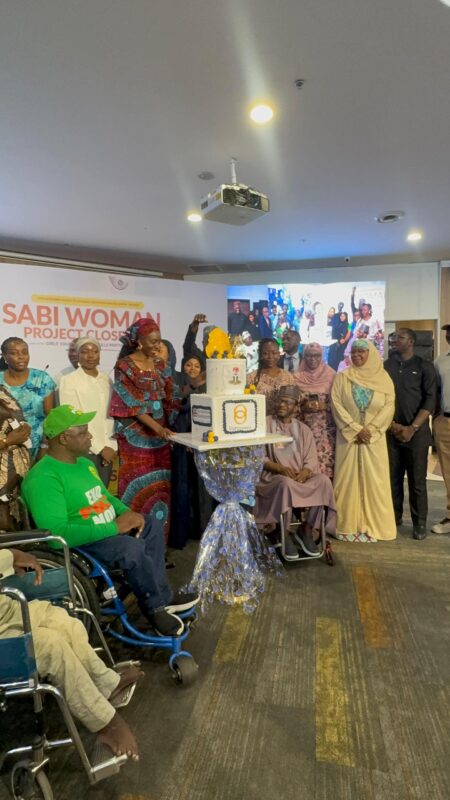
Abba Isa commended Sightsavers and its partners for transforming lives through inclusive education and economic empowerment interventions.
“Today is not merely an occasion to celebrate the conclusion of a project. It is an opportunity to reflect on the lives transformed, the barriers dismantled and the pathways created for a more inclusive and equitable future for girls and young women with disabilities in Nigeria,” he said.
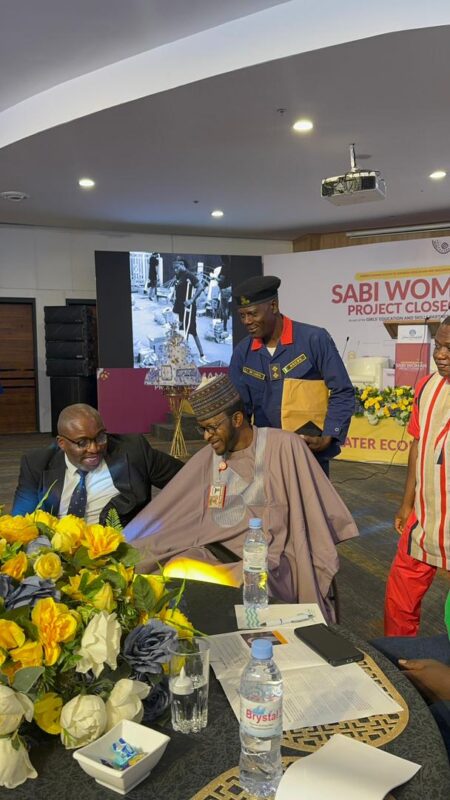
He noted that the achievements of the project aligned closely with the Renewed Hope Agenda of President Bola Ahmed Tinubu, which prioritises quality education, economic opportunities, social inclusion and empowerment for vulnerable groups.
The presidential aide stressed that the success recorded in Lagos and Kano states should serve as a blueprint for nationwide interventions, pledging the support of his office in facilitating policy advocacy, strategic partnerships and stakeholder coordination to scale similar programmes across the country.
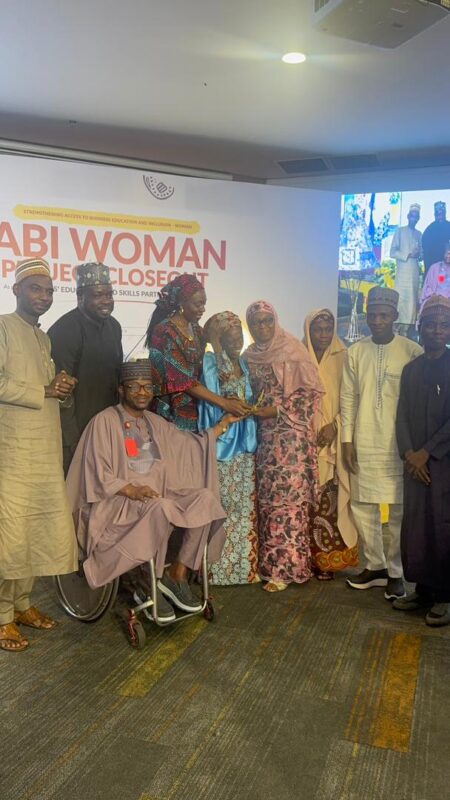
According to Sightsavers Nigeria, the project empowered 2,878 adolescent girls and young women with disabilities in Kano and Lagos States through business education, entrepreneurship training and career development support.
Speaking at the event, Joy Shuaibu, Country Director of Sightsavers Nigeria, said the initiative was designed to inspire adolescent girls with disabilities and equip women with sustainable livelihood skills.
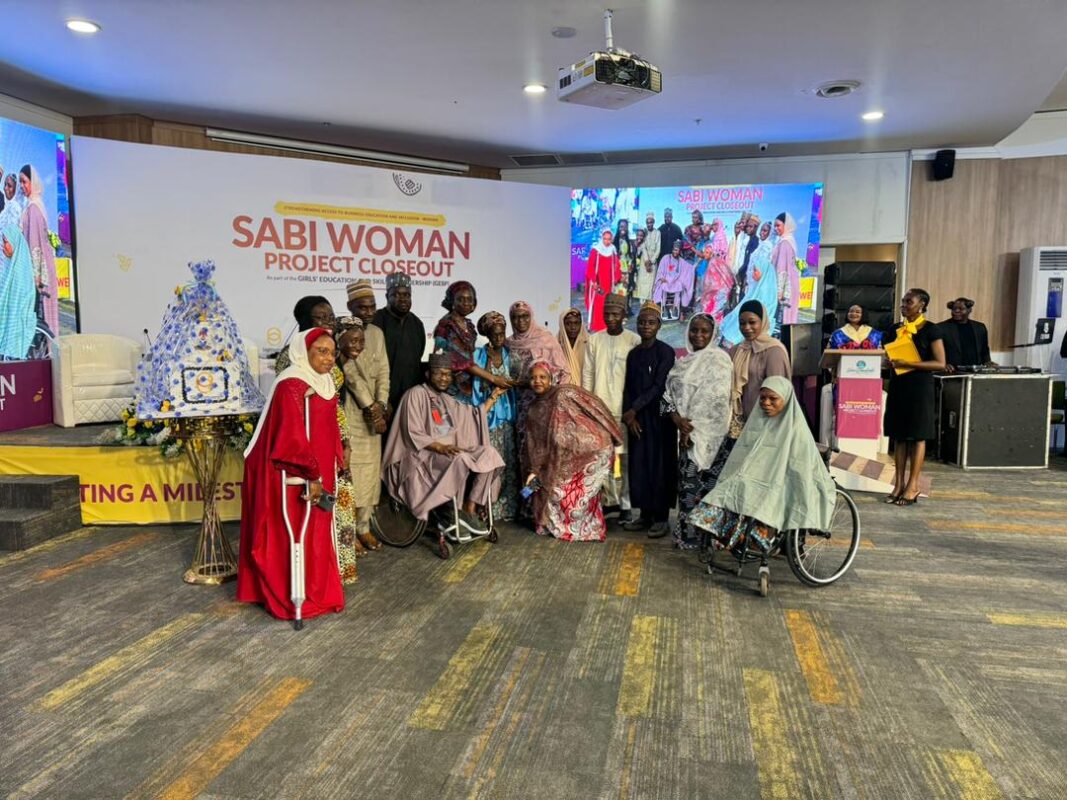
“The education component seeks to give adolescent girls with disabilities a dream, so that they can become everything that they want to become,” she said.
Shuaibu explained that the entrepreneurship component focused on business literacy, bookkeeping, product costing and linking participants with manufacturers willing to provide products on credit for resale.
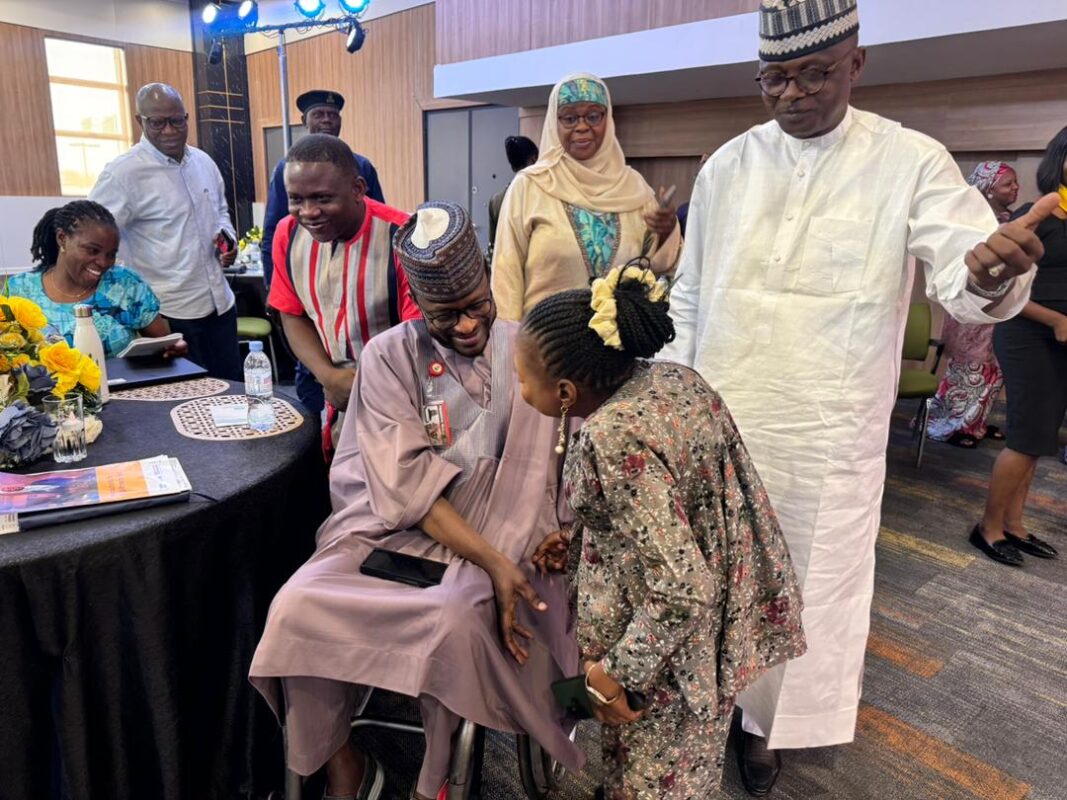
She disclosed that partnerships with manufacturers enabled beneficiaries to establish sustainable businesses and generate income, adding that the project sought to ensure that women and girls with disabilities have access to both education and livelihoods.
According to her, the impact of the intervention extended beyond direct beneficiaries to families and communities, while social stigma remains one of the biggest barriers confronting persons with disabilities.
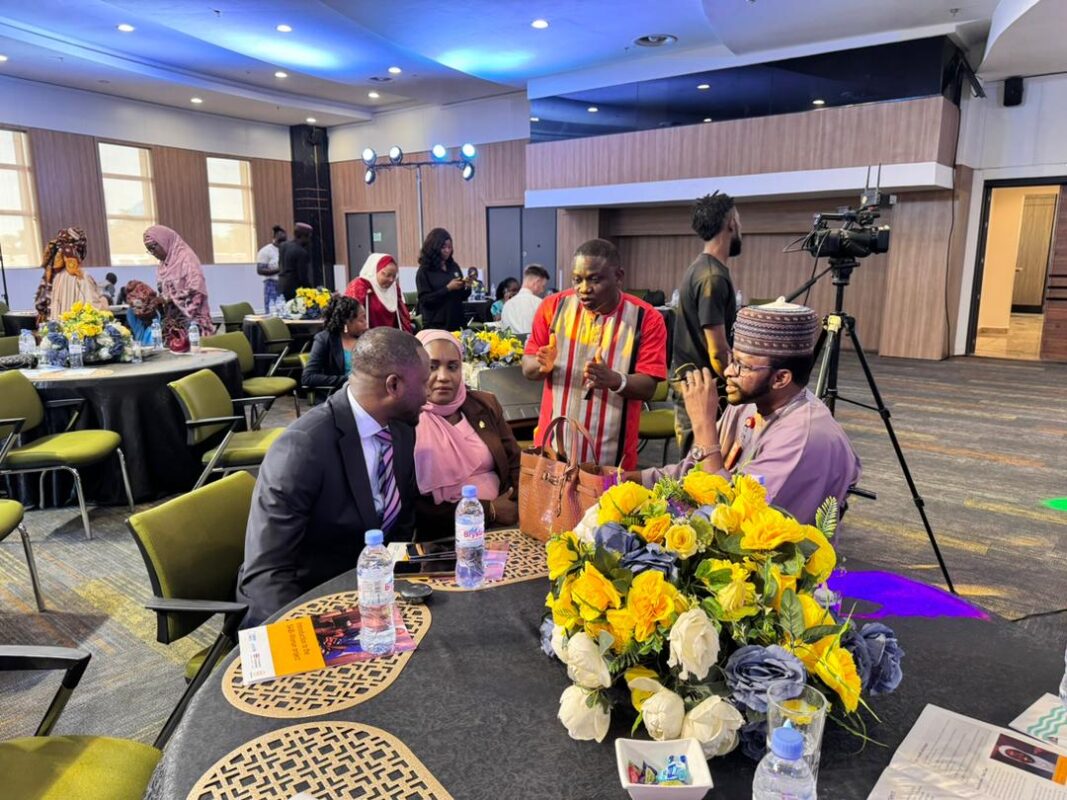
Also speaking, Esther Bature, Country Advocacy Coordinator of Sightsavers Nigeria, said the project supported 1,512 young women with disabilities to develop employability and entrepreneurship skills.
She revealed that 1,366 adolescent girls received life skills and career guidance, while 1,647 employees were trained on workplace disability inclusion and equal opportunity practices.
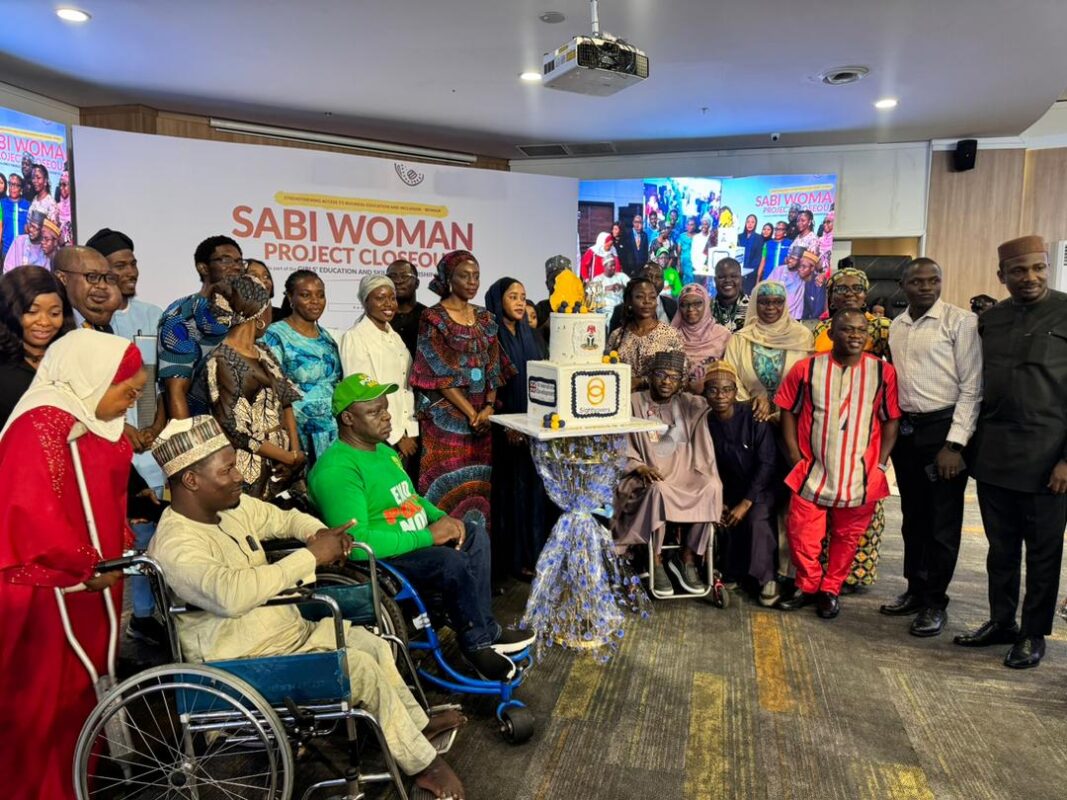
Bature further disclosed that 217 life coaches received training on disability inclusion, while 202 technical and vocational education facilitators were equipped with inclusive teaching methods.
She added that 127 business advisors were trained to support enterprise growth, while 670 women received starter kits valued at over N40 million to establish or expand businesses.
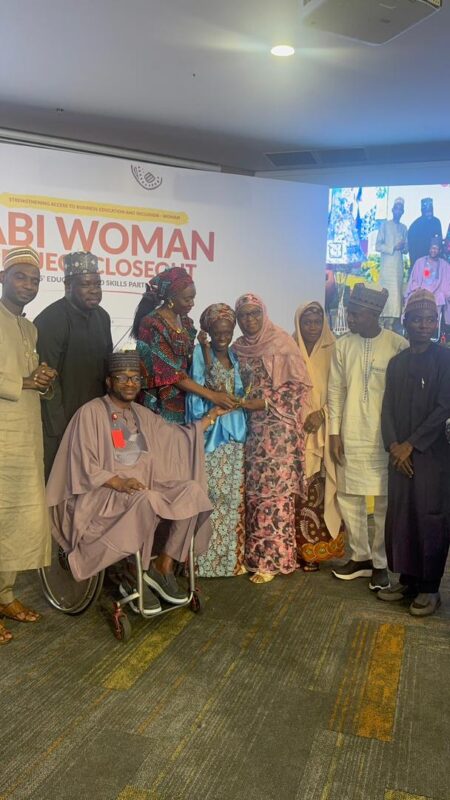
According to her, beneficiaries have repaid 88 per cent of the starter-kit funds, demonstrating the viability and sustainability of disability-inclusive entrepreneurship programmes.
Representing the Gates Foundation, Dr. Avuwa Oteri said the project had demonstrated practical pathways for advancing women’s economic empowerment and disability inclusion through strategic partnerships and community engagement.
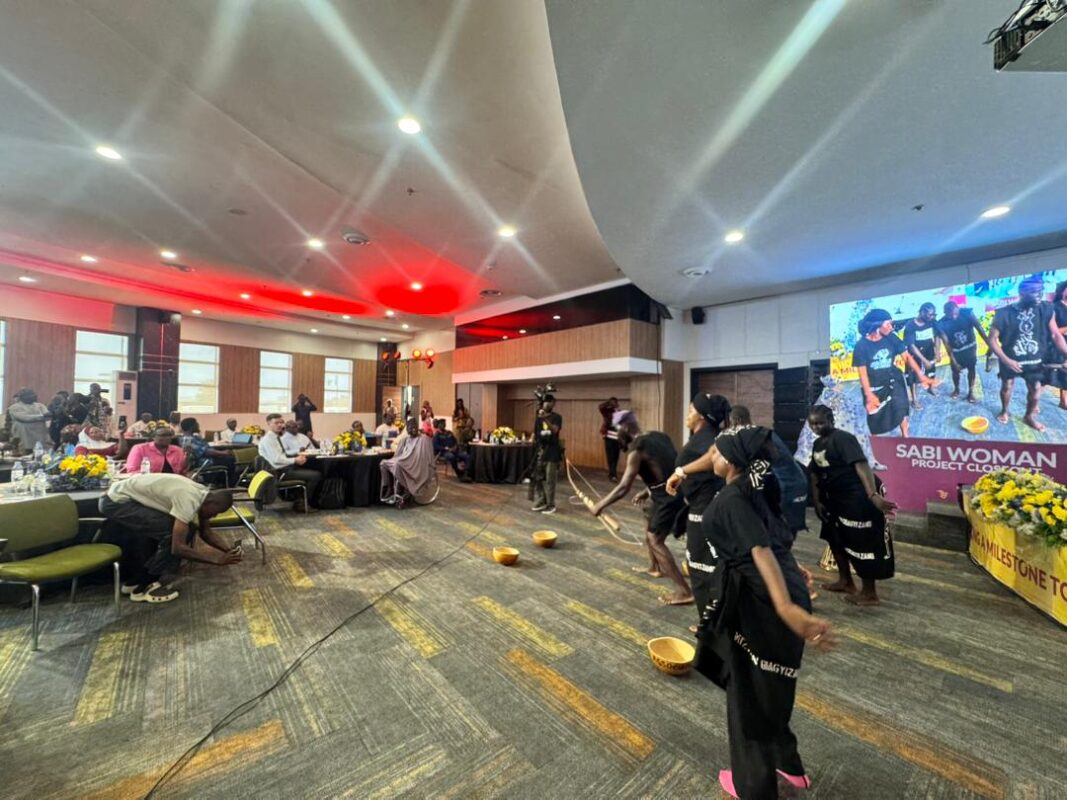
Stakeholders at the event described the SABI-Woman Project as a model for inclusive development and called for its replication across Nigeria to ensure that more women and girls with disabilities can access quality education, skills acquisition and economic opportunities.
