By Lanre Oloyede
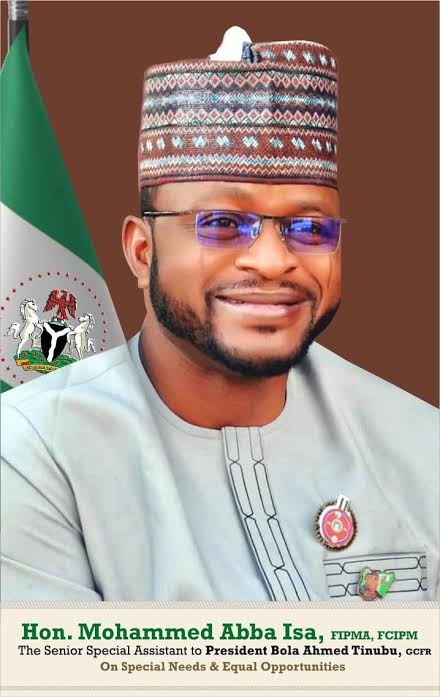
The Senior Special Assistant to the President on Special Needs and Equal Opportunities, Hon. Mohammed Abba Isa, has called for deliberate investment in Sign Language interpretation and accessible communication as part of efforts to advance disability inclusion and guarantee equal opportunities for Deaf persons and other persons with disabilities.
Abba Isa said the availability of qualified Sign Language interpreters in public institutions, schools, healthcare facilities, courts, government programmes and major public events was critical to ensuring the meaningful participation of Deaf persons in national development.
The presidential aide made the call while speaking as Special Guest at the 2026 International Youth Day National Summit for Deaf and Young Persons with Disabilities and Inclusive Future Excellence Awards.
The summit, organised in commemoration of the 2026 International Youth Day and Deaf Awareness Month, had as its theme: “Different Contexts, Common Aspirations: Advancing Disability Inclusion and Equal Opportunities with Sign Language.”
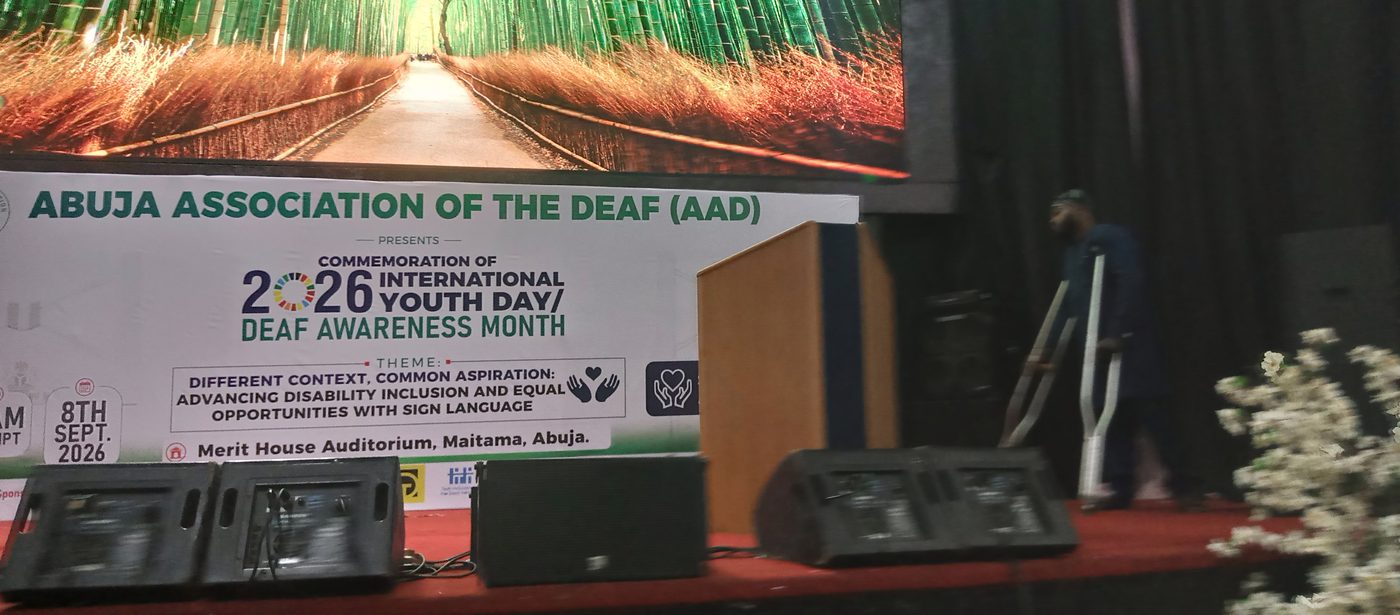
Abba Isa, represented by his media aide, Mr Lanre Oloyede, said Sign Language should not be regarded merely as a communication tool but as a critical bridge to education, healthcare, employment, justice, access to information and political participation.
“A truly inclusive society must deliberately invest in Sign Language interpretation and accessible communication,” he said.
“We must work towards ensuring greater availability of qualified Sign Language interpreters in public institutions, educational facilities, healthcare centres, courts, government programmes and major public events.”
He also urged media organisations, digital platforms and public institutions to adopt accessibility measures, including Sign Language interpretation, captioning and other accessible formats.
The presidential aide commended the Abuja Association of the Deaf, AAD, and its partners for organising the summit, describing the initiative as timely and significant.
According to him, the gathering provides an important platform for Deaf youth and young persons with disabilities to engage, build leadership capacity, explore economic opportunities and participate meaningfully in national development.
He noted that young persons with disabilities were not seeking charity or sympathy but opportunities to lead, innovate, create and contribute to national development.
“This gathering is a powerful reminder that young persons with disabilities are not asking to be left behind or merely carried along. They are ready to lead, innovate, create opportunities and contribute meaningfully to the development of our country,” he said.
Speaking on the theme of the summit, Abba Isa said despite differences in backgrounds and life experiences, Nigerians shared common aspirations for dignity, quality education, employment, economic empowerment, access to information and participation in decisions affecting their lives.
He stressed that disability inclusion must be viewed as a matter of human rights, social justice, equality and sustainable development rather than charity.
The SSA called for greater efforts to move beyond policies to practical implementation of disability inclusion programmes across the country.
Speaking earlier, the National President of the Nigerian National Association of the Deaf (NNAD), Mallam Haruna Muhammad Tsafe, called for the legal recognition of Nigerian Sign Language as a critical step towards promoting the rights and inclusion of members of the Deaf community.
Tsafe said formal recognition of Nigerian Sign Language would strengthen advocacy efforts, improve communication access and guarantee greater participation of deaf persons in all sectors of national life.
He noted that several countries had taken legislative steps to recognise Sign Language, citing Kenya as an example, and urged relevant authorities and stakeholders to intensify advocacy towards securing similar legal recognition in Nigeria.
The NNAD President also called for increased government attention and investment in special schools for persons with disabilities, particularly the School for the Deaf in Kuje and the School for the Blind in Jabi, Abuja.
According to him, the institutions require adequate funding, infrastructure, learning materials and professional support to enable them provide quality education and serve as centres of excellence for the education and development of persons with disabilities.
On political participation, Tsafe urged persons with disabilities to become more actively involved in the democratic process through voter education, awareness of their civic rights and registration to obtain their Permanent Voter Cards, PVCs.
He stressed that political participation was crucial because government policies, legislation and budgetary decisions directly affect the programmes, services and opportunities available to citizens, including persons with disabilities.
Also speaking, Chairman of the Abuja Association of the Deaf, Mr Ayoade Beyioku-Alase, called on government institutions and private organisations to deliberately mainstream persons with disabilities into their programmes, policies and activities.
Beyioku-Alase particularly advocated the provision of Sign Language interpretation during television programmes, news broadcasts and other public information platforms to guarantee equal access to information for members of the Deaf community.
He maintained that deaf persons and other persons with disabilities should not be treated as an afterthought or sidelined in national development, stressing that they were citizens with equal rights, dignity and aspirations.
The chairman further urged government, corporate organisations and other stakeholders to recognise the capacity and potential of persons with disabilities and create an enabling environment that would allow them to contribute meaningfully to national development.
The summit brought together members of the Deaf community, young persons with disabilities and other stakeholders to deliberate on issues bordering on disability inclusion, equal opportunities, leadership, communication access and the active participation of persons with disabilities in national development.
