By Lanre Oloyede
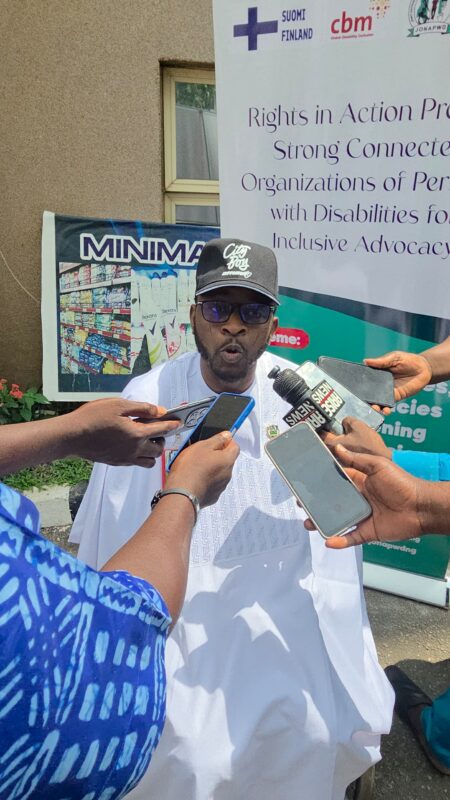
The Senior Special Assistant to the President on Special Needs and Equal Opportunities, Hon. Mohammed Abba Isa, has pledged to work with government agencies, disability organisations and development partners to translate commitments on disability rights into concrete actions, insisting that the outcome of stakeholder engagements must go beyond communiqués.
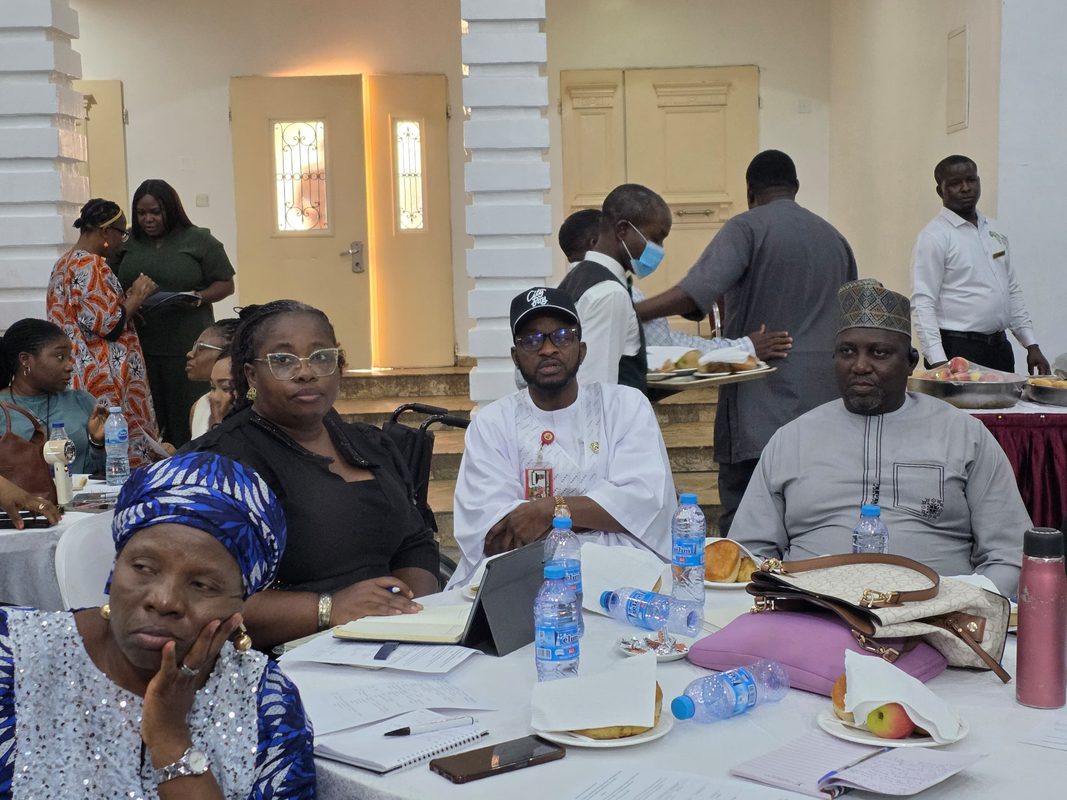
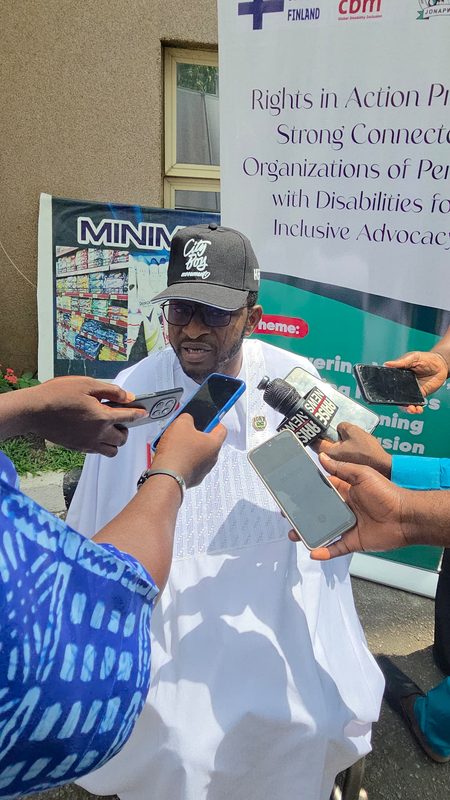
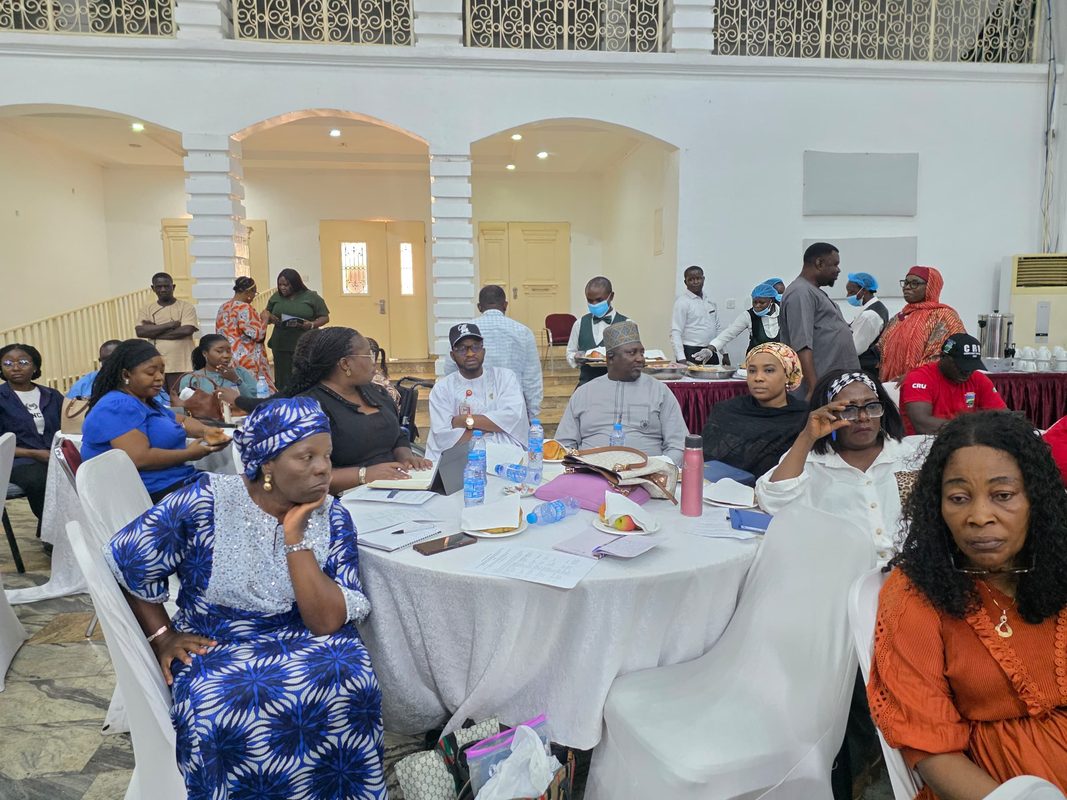
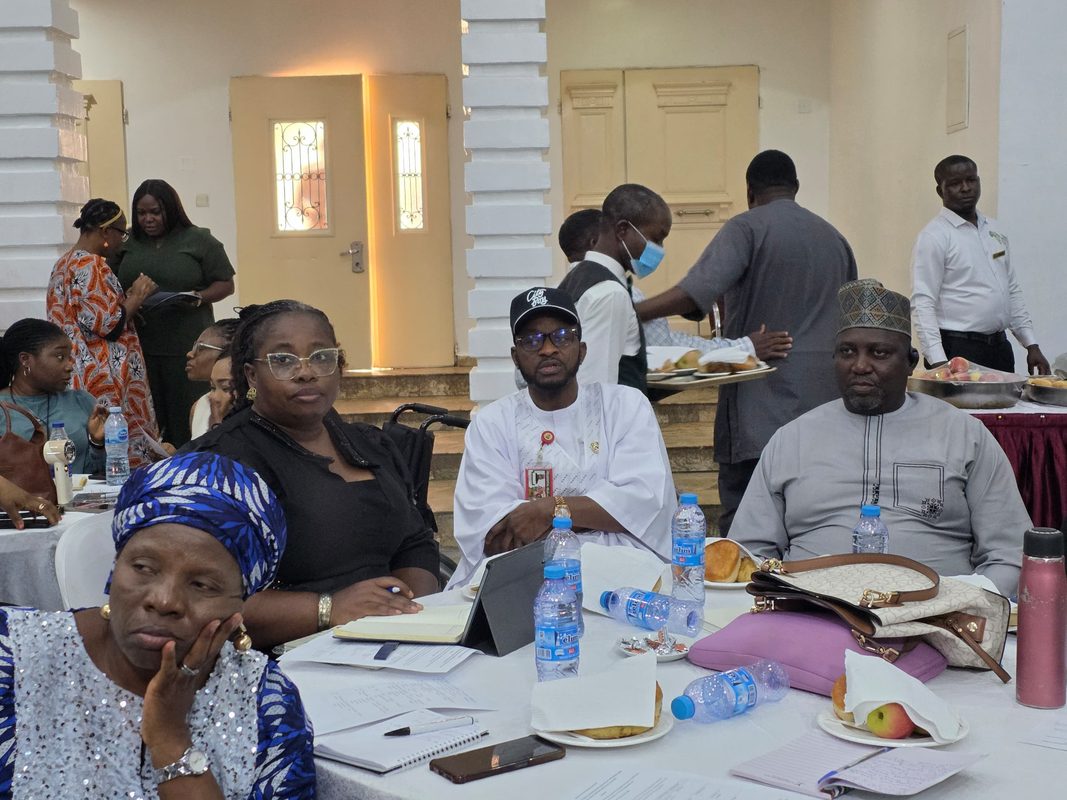
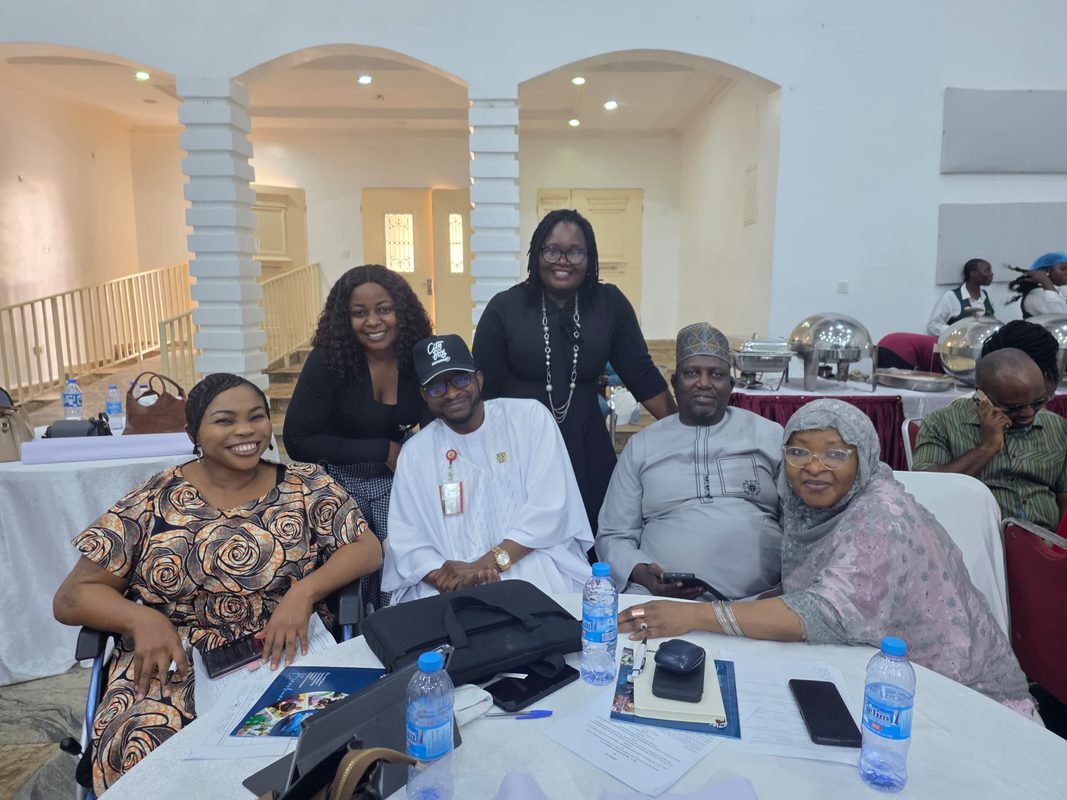
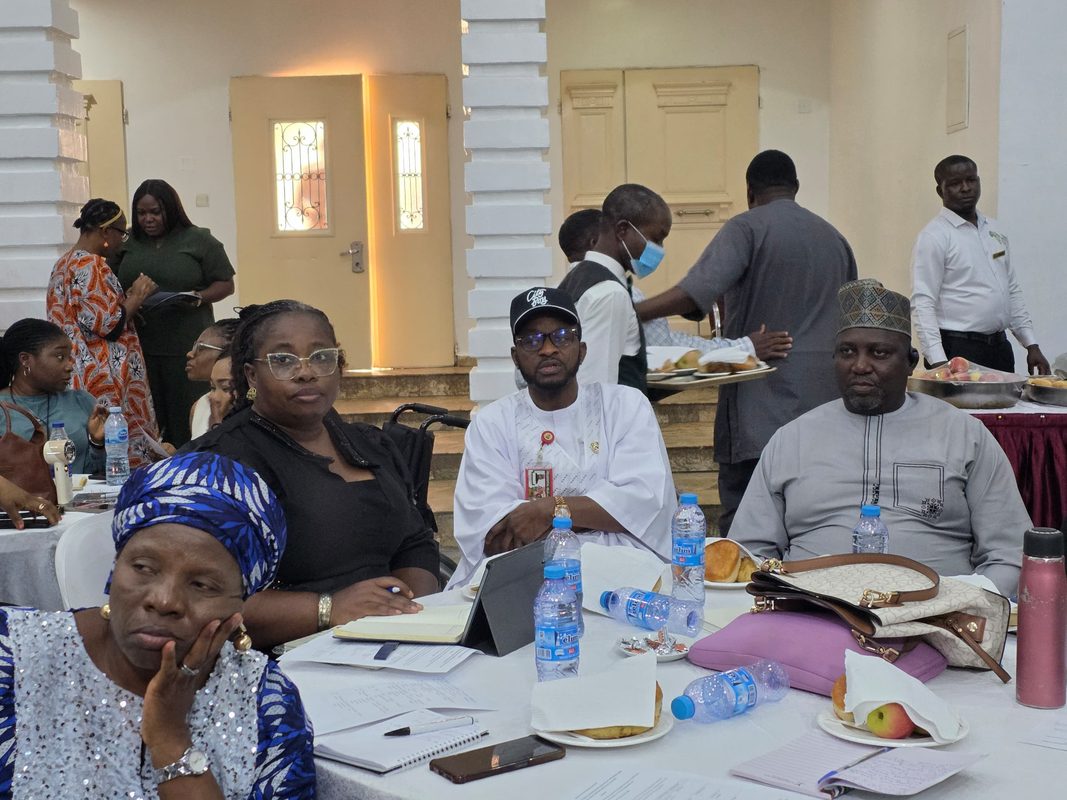
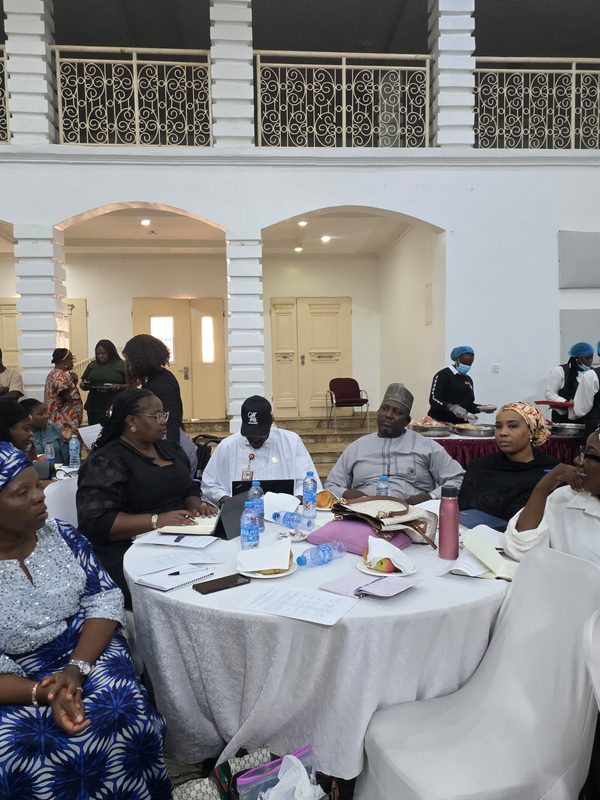
Abba Isa made the commitment on Monday in Abuja while speaking at the Phase One of the Rights in Action (RiA) Stakeholders’ Engagement and Collaboration Forum organised around the theme, “From Advocacy to Action: Strengthening Stakeholder Commitment for the Rights, Inclusion and Meaningful Participation of Persons with Intellectual, Psychosocial and Deaf Disabilities.”
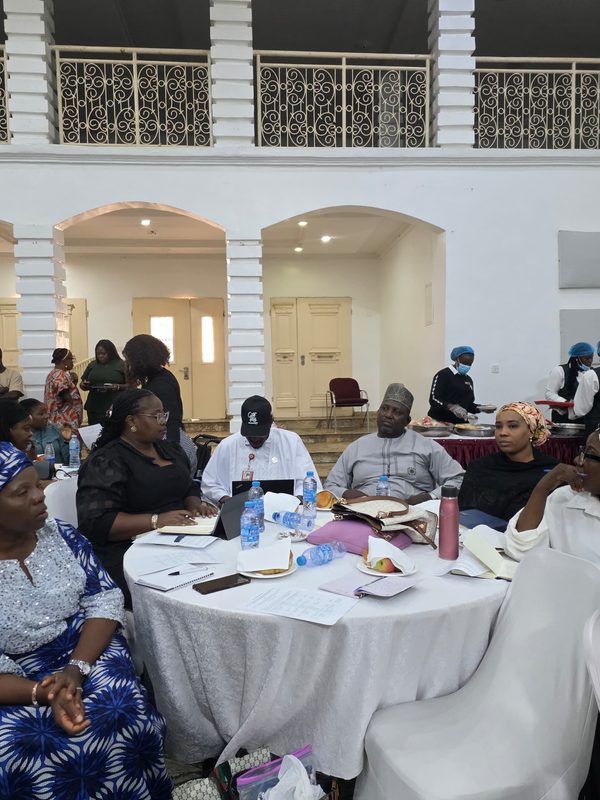
He said the Office of the Senior Special Assistant to the President would collaborate with the National Commission for Persons with Disabilities (NCPWD), Joint National Association of Persons with Disabilities (JONAPWD), Inclusive Friends Association (IFA), CBM Global and cluster Organisations of Persons with Disabilities (OPDs) to ensure that agreed priorities were implemented with clear responsibilities, timelines and measurable indicators.
According to him, the forum must mark a shift from advocacy to measurable action, particularly for persons with intellectual, psychosocial and Deaf disabilities who, he said, remained among the least visible groups in policy consultations, programmes and legislative reviews.
“The real test is whether persons with intellectual, psychosocial and Deaf disabilities will help shape policies, budgets and decisions, rather than remain at the edge of consultations,” he said.
Abba Isa said the four priorities identified under the Rights in Action initiative would form the basis of an action matrix for government and stakeholders.
They include the implementation of the National Inclusive Education Policy, including provisions for learners with intellectual disabilities; institutionalisation of Nigerian Sign Language and clear communication standards; enforcement of the Mental Health Act in the Federal Capital Territory with dignity and community support; and a participatory review of the Disability Rights Act in line with the African Disability Protocol.
He said underrepresented disability clusters must have a seat at the table during the review of disability legislation and policy.
The presidential aide said his office would deploy its coordination role with Ministries, Departments and Agencies (MDAs) and the FCT Administration to ensure that commitments from the forum were incorporated into government workplans rather than ending as policy statements.
“We will use our coordination role with MDAs and the FCT Administration to ensure that these commitments enter workplans, not merely communiqués,” he said.
“We will also insist that federal and FCT data properly identify persons with intellectual, psychosocial and Deaf disabilities.”
The SSA said the administration of President Bola Ahmed Tinubu remained committed to ensuring that persons with disabilities were treated as citizens and partners in national development rather than merely as beneficiaries of government programmes.
He noted that the Office had, in 2026, intensified engagement with MDAs on disability-disaggregated data, arguing that reliable data was essential for effective planning, budgeting, emergency response and social protection.
He said the National Disability Management Information System must capture disability information across critical sectors including education, health, employment, social protection, justice and political participation.
On the FCT, Abba Isa said his office had supported the proposed FCT Disability Policy as a framework for addressing the needs and rights of persons with disabilities in the territory.
He said the policy should address accessibility, healthcare, education, transportation, justice and livelihoods while specifically recognising the needs of persons with intellectual, psychosocial and Deaf disabilities.
“A general ‘PWD’ category is not enough,” he said.
On inclusive education, the presidential aide said his office was working with the Federal Ministry of Education on the Renewed Hope National Programme on Inclusive and Accessible Education.
He listed the programme’s priorities to include enrolling children with disabilities, making schools accessible, training teachers and expanding access to assistive learning.
“If an education system cannot serve a Deaf child, a child with intellectual disability or a child requiring psychosocial support, it is not truly inclusive,” he said.
Abba Isa also declared that Nigerian Sign Language should be treated as a right, calling for a national framework, the inclusion of sign language in teacher training, deployment of interpreters in schools and public services, and enforcement of linguistic rights under the Disability Act.
“A government meeting without interpretation is an exclusion meeting,” he stated.
On justice and employment, he said the Office had engaged the Attorney-General on issues including the five per cent employment quota for persons with disabilities, accessible courts, legal support, disability law in legal training and the domestication of disability legislation in states.
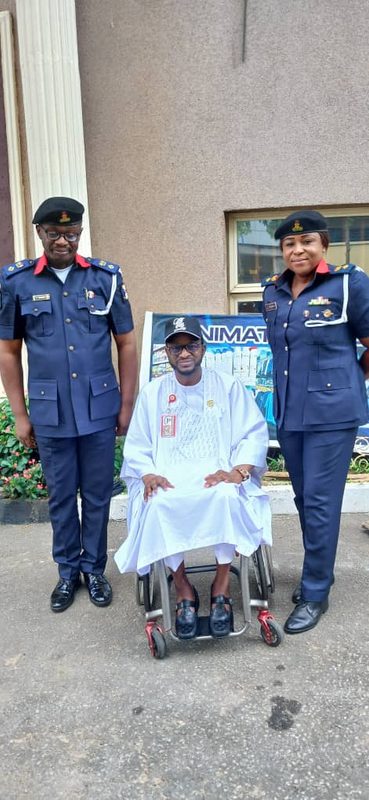
He added that engagements had also been held with the Nigeria Security and Civil Defence Corps (NSCDC) Persons with Disabilities Unit on inclusion in security practice and preparations for the 2027 elections.
According to him, persons with disabilities must be able to vote, contest elections and participate safely in public life.
The presidential aide also disclosed that the Office had worked with the National Emergency Management Agency (NEMA) on support for elderly persons with disabilities in the North-Central region and continued to advocate improved working conditions for civil servants with disabilities.
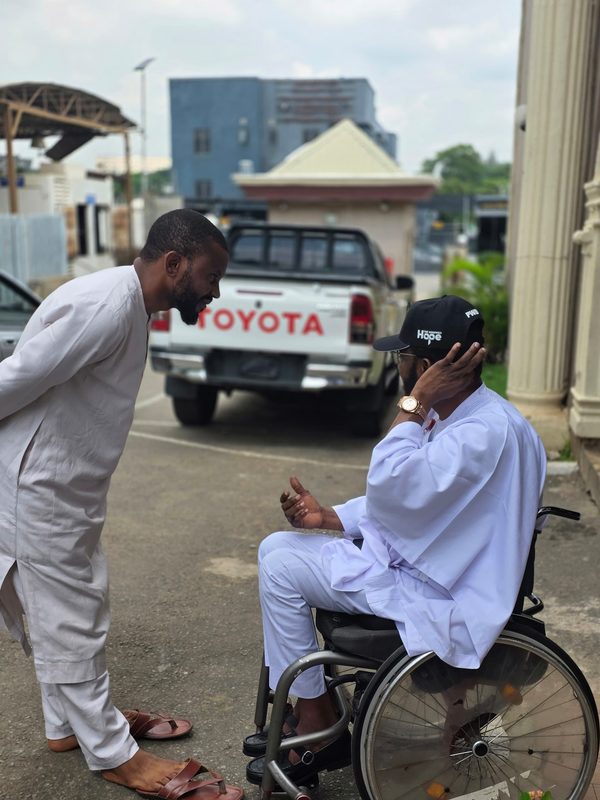
Abba Isa said the current responsibility of his office was centred on “coordination, follow-up and results,” adding that stakeholder engagement would only be meaningful if it produced measurable improvements in the lives of persons with disabilities.
He urged participants to leave the forum with a Stakeholder Commitment and Action Matrix that would reflect the priorities of persons with intellectual, psychosocial and Deaf disabilities.
He reaffirmed the readiness of the Presidency’s disability desk to work with JONAPWD, IFA, CBM Global, government institutions and other stakeholders to advance disability rights and inclusion under the Renewed Hope Agenda.
