
By Lanre Oloyede
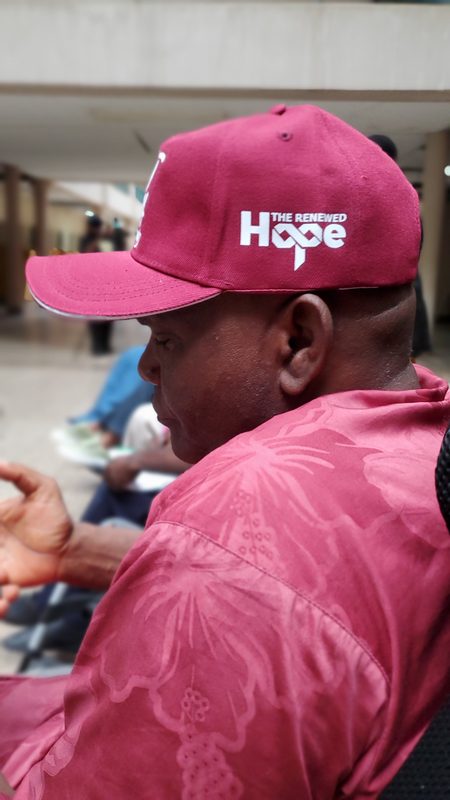
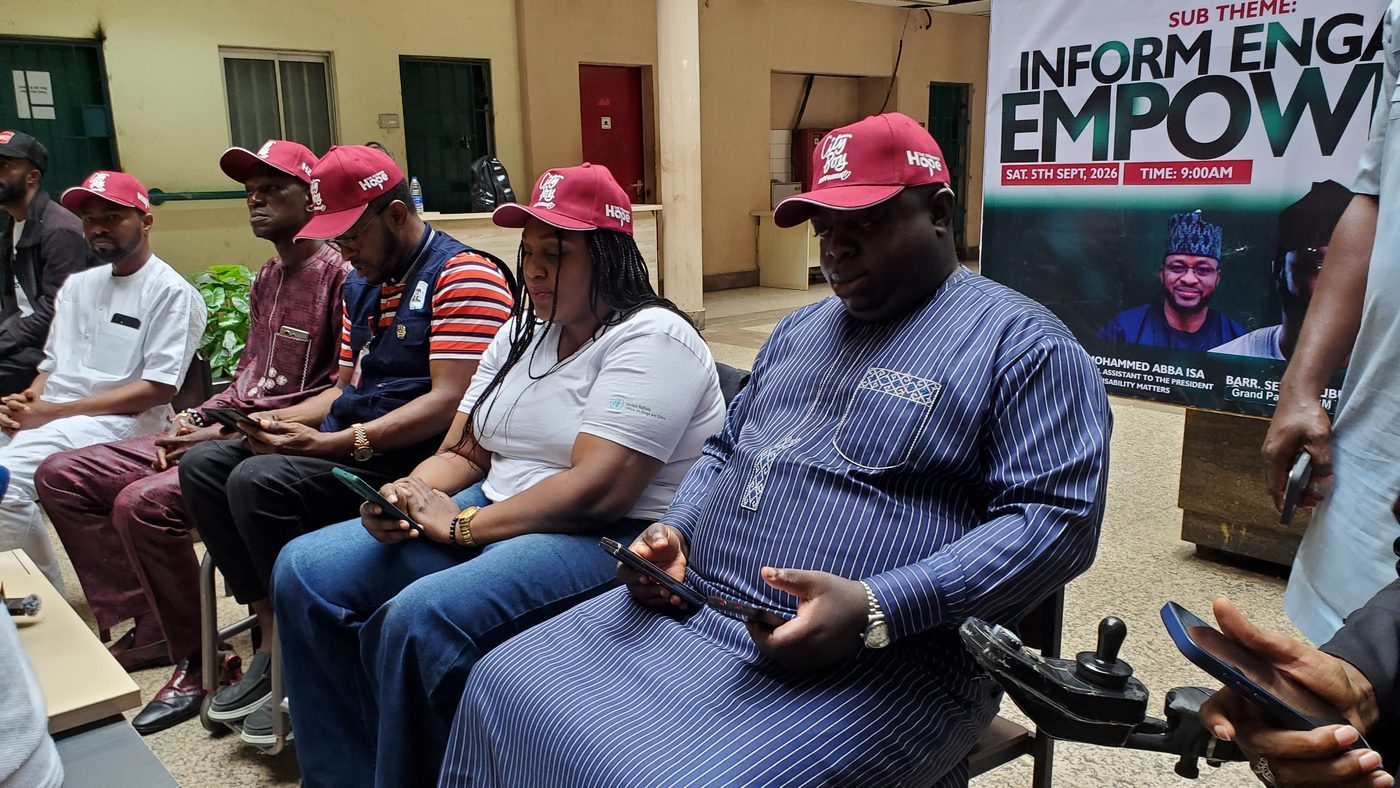
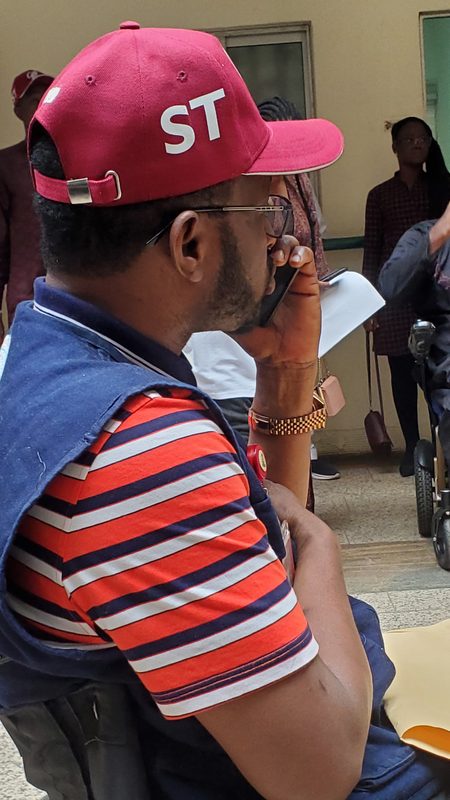
The National Director of Persons with Disabilities (PWDs) Affairs of the City Boy Movement (CBM) and Senior Special Assistant to the President on Special Needs and Equal Opportunities, Hon. Mohammed Abba Isa, has called on members of the disability community to join the movement and participate actively in sustaining the gains of the Renewed Hope Agenda.
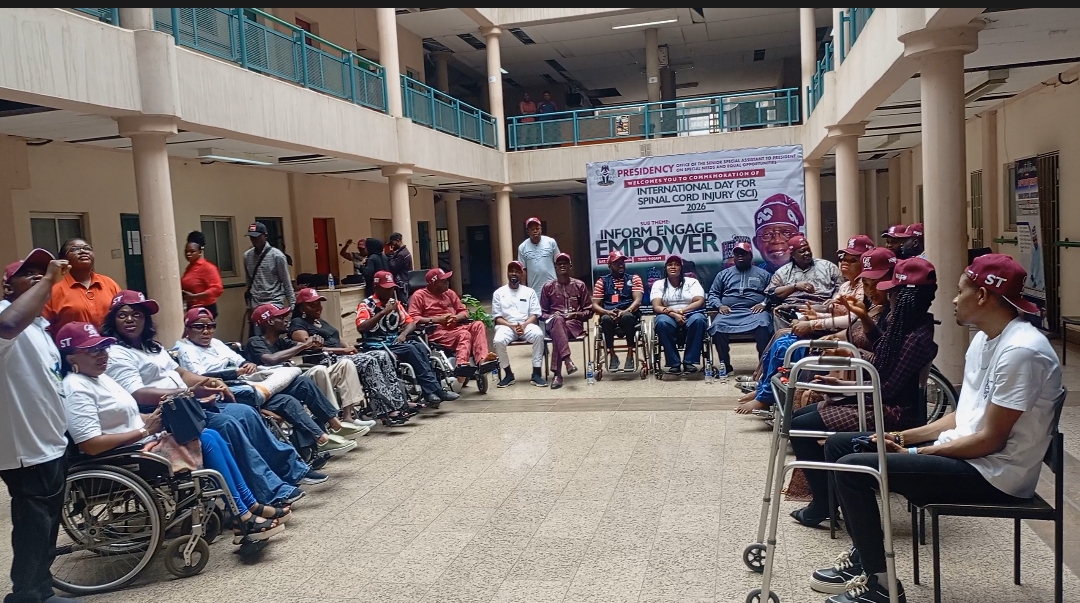
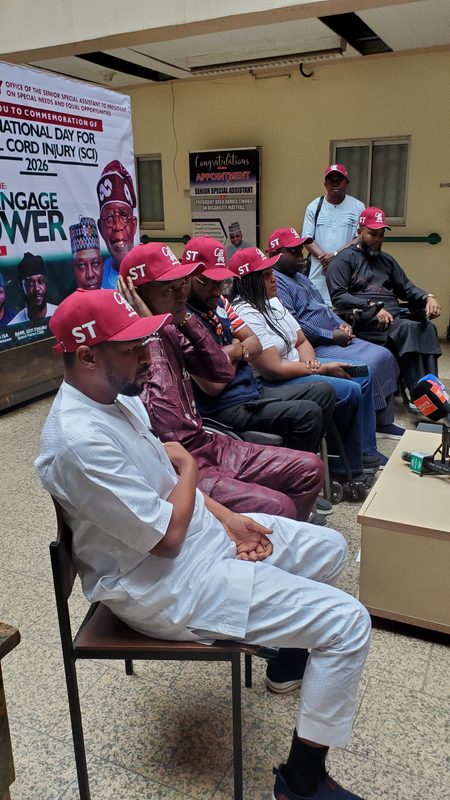
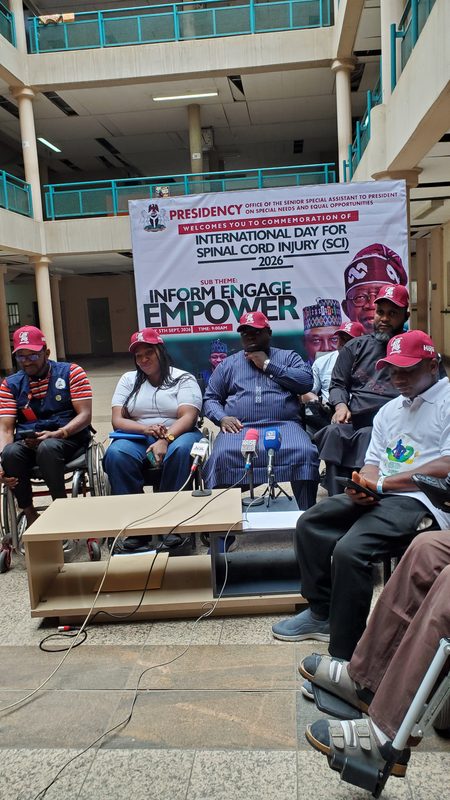
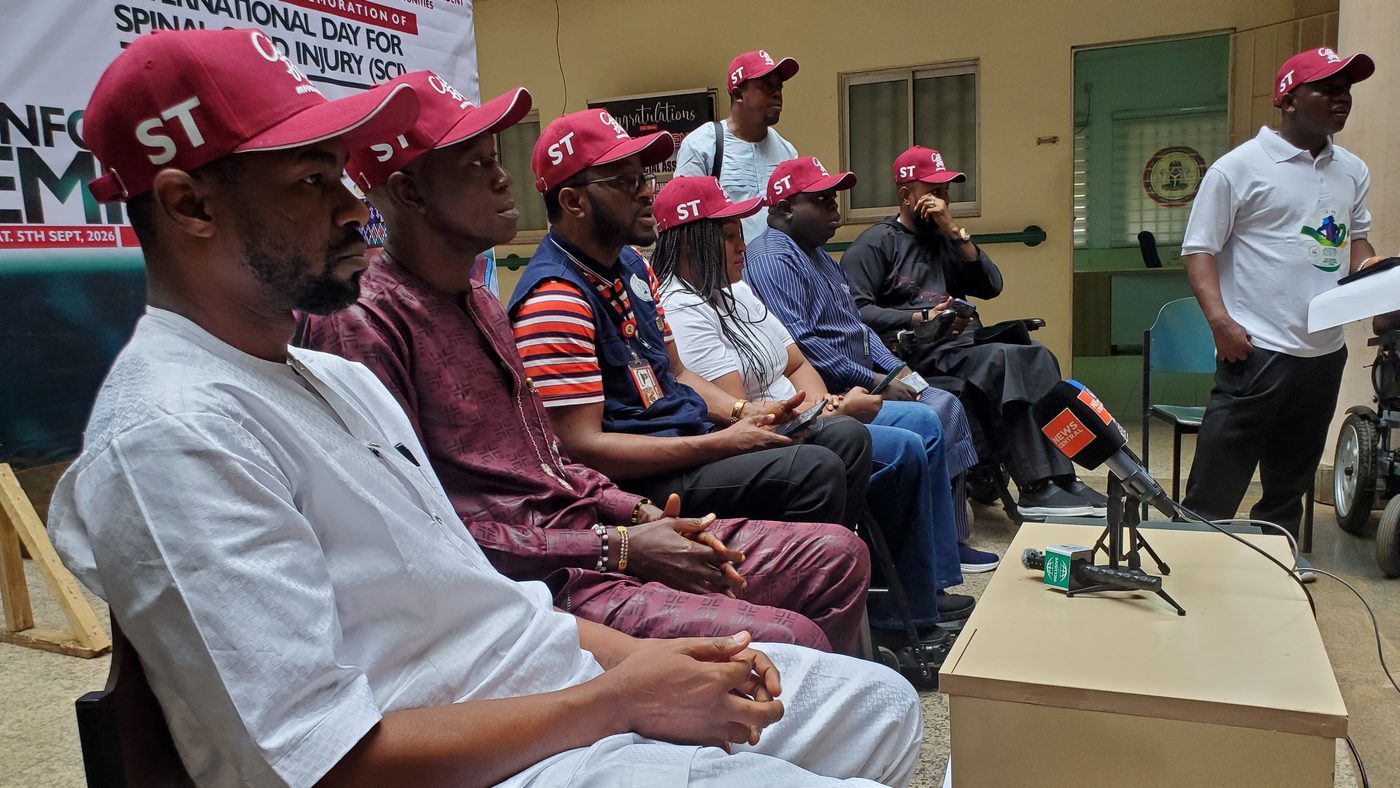
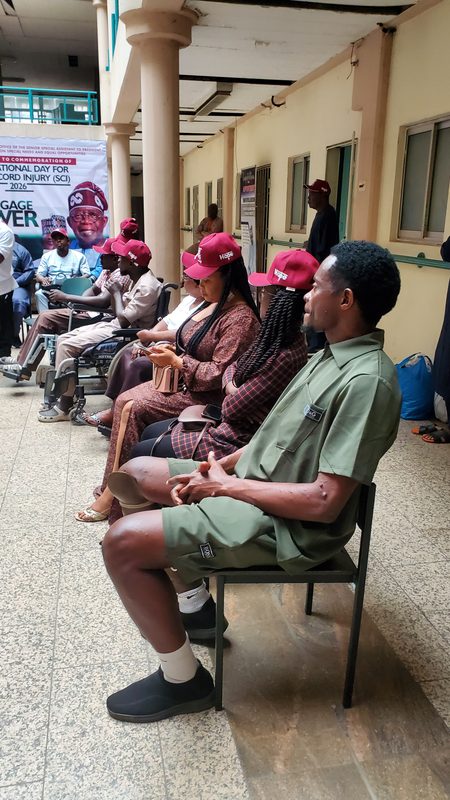
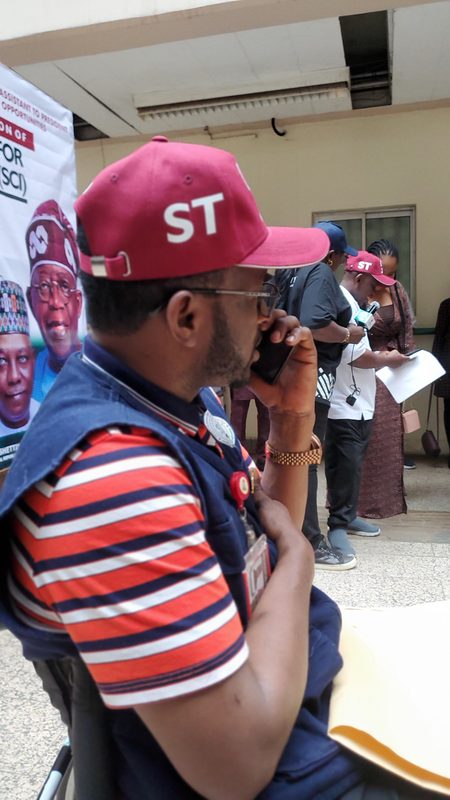
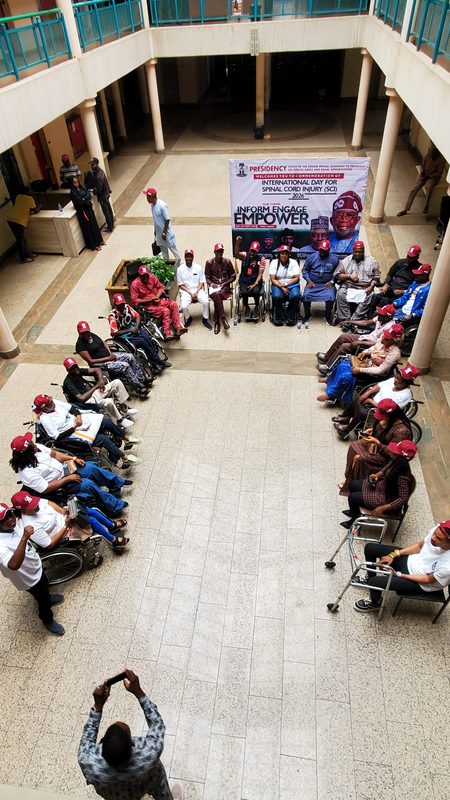
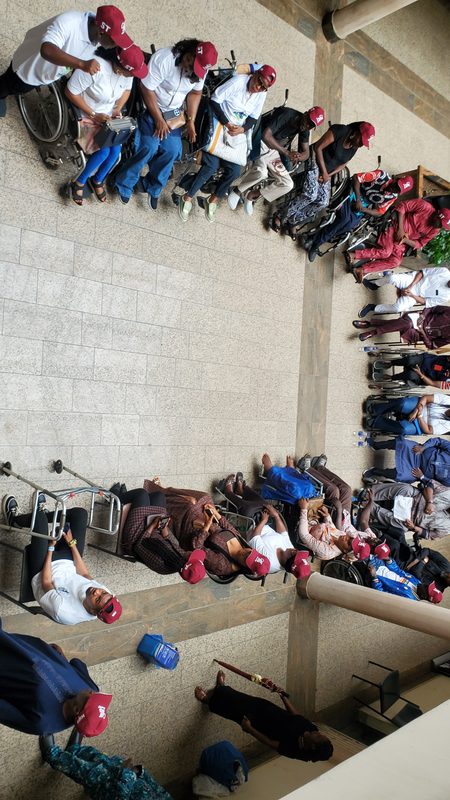
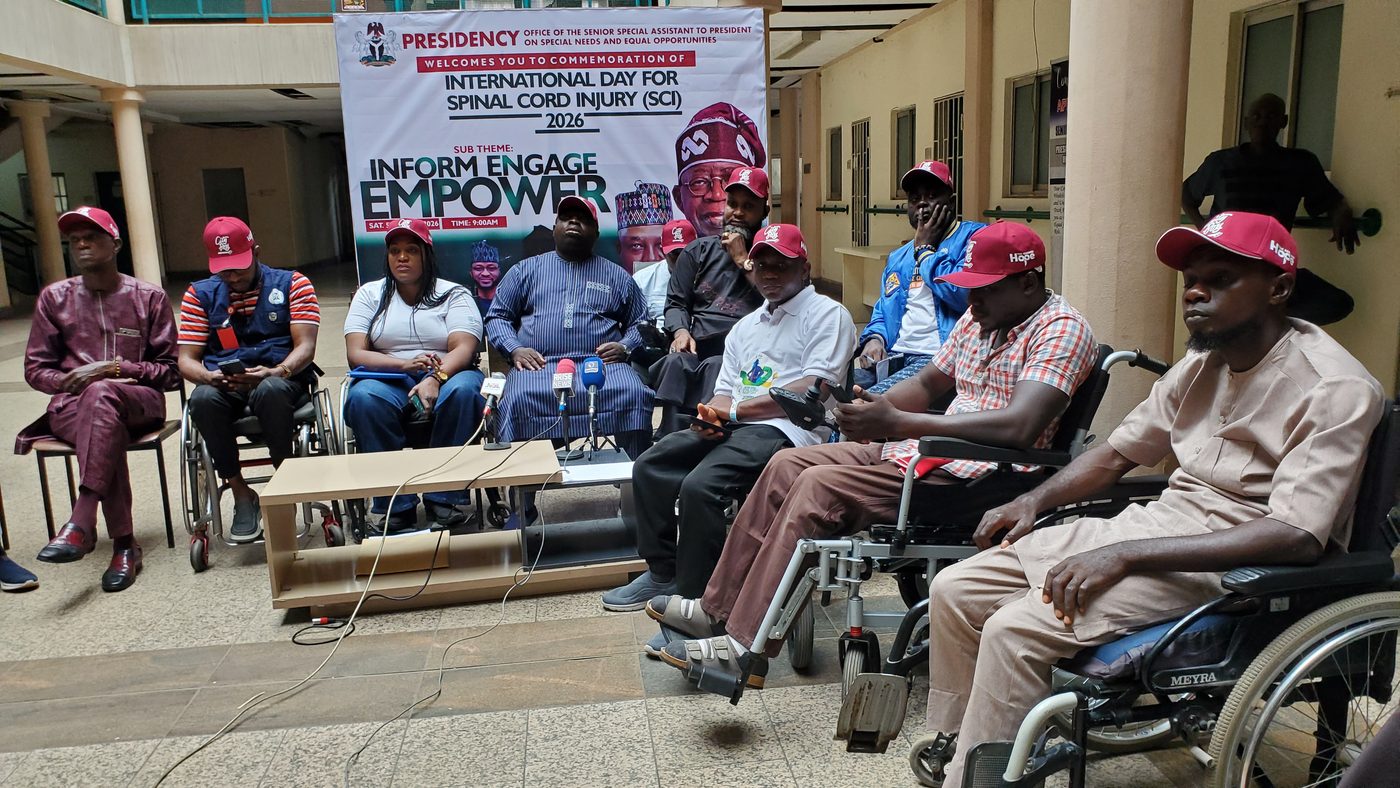
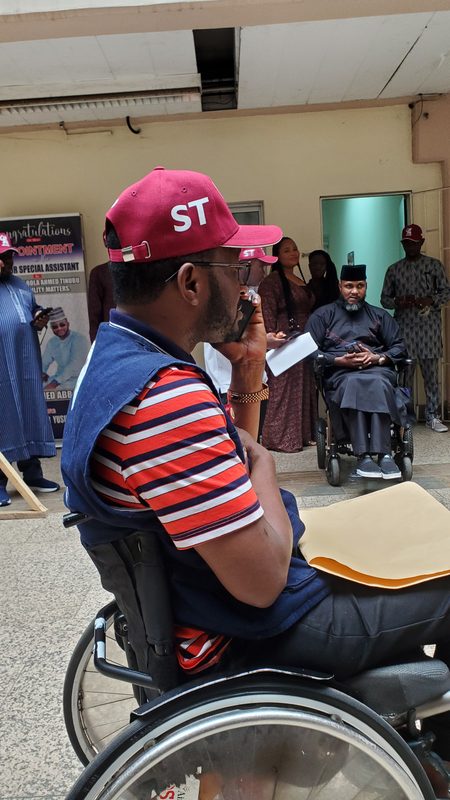
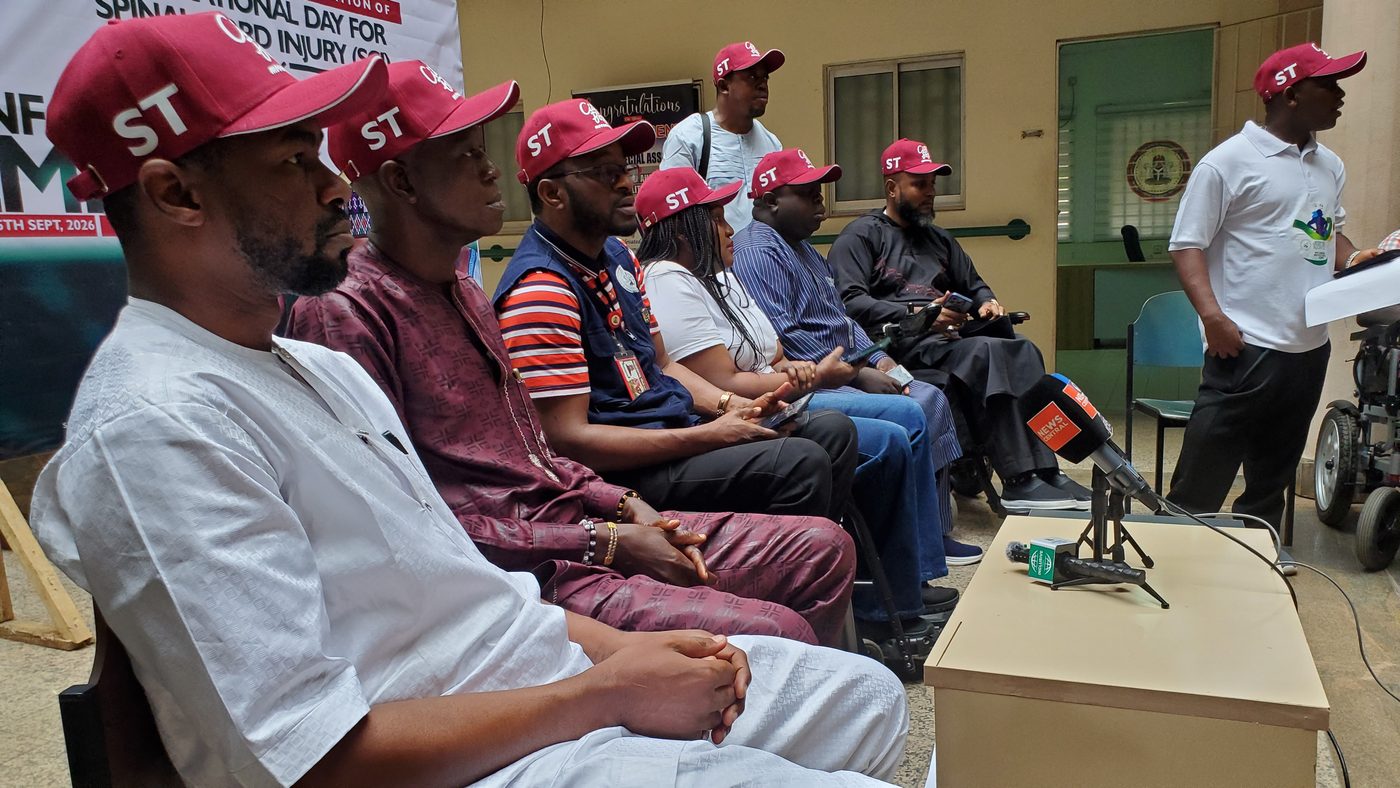
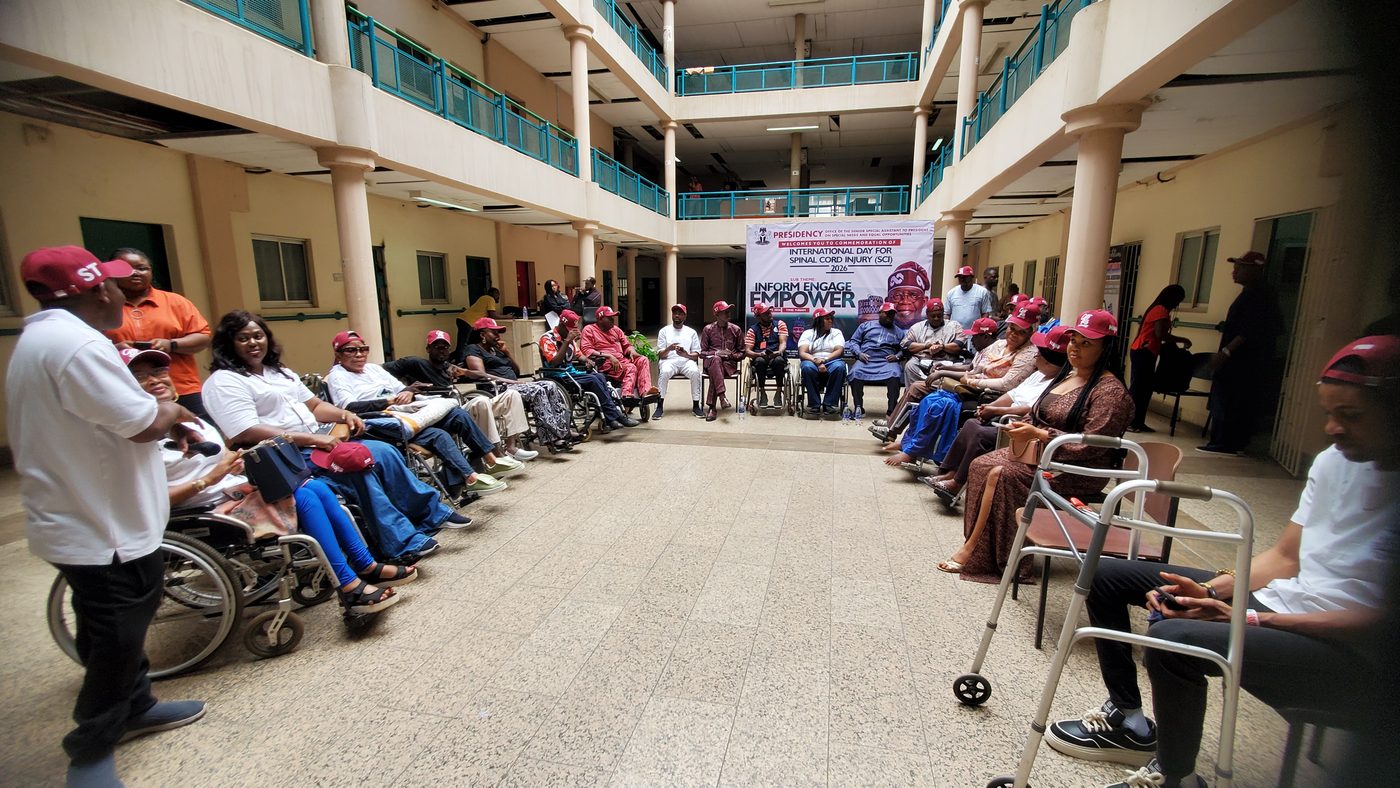
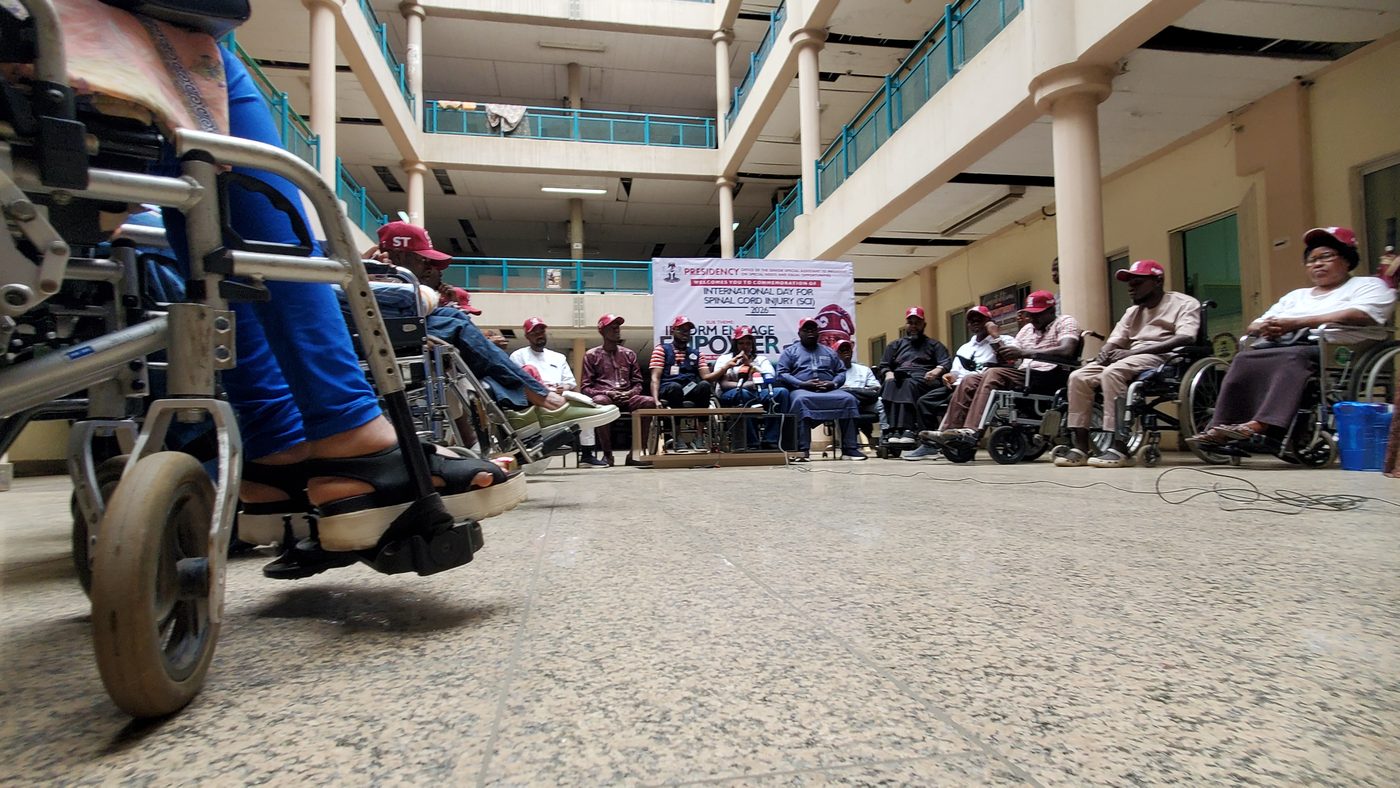
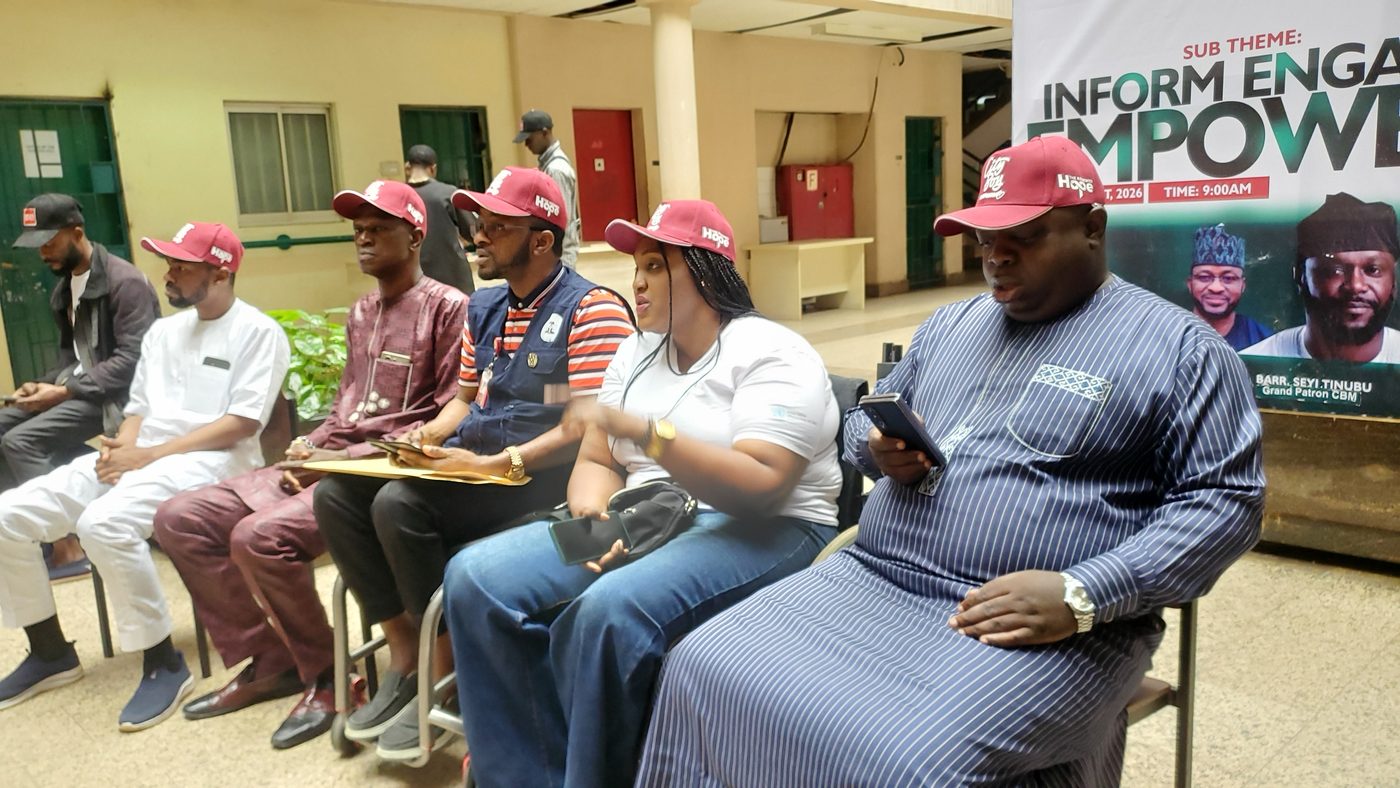
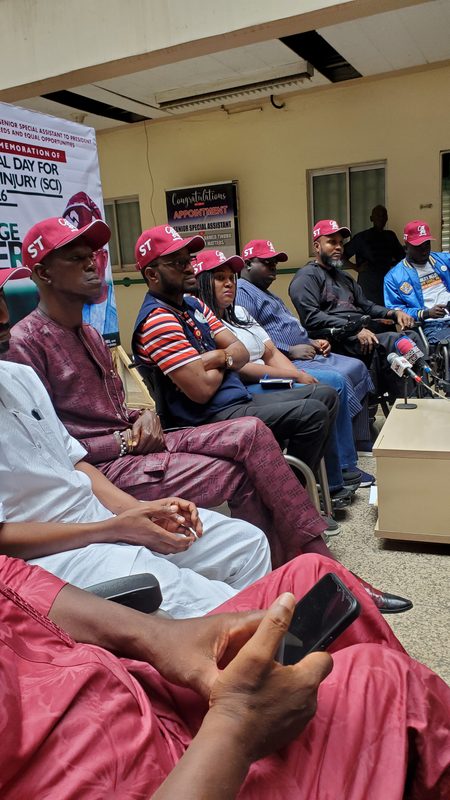
Abba Isa made the call while delivering a keynote address at a World Press Conference organised to commemorate the 2026 World Spinal Cord Injury Awareness Day, with the theme, “From Awareness to Action: Ten Years Advancing SCI Prevention.”
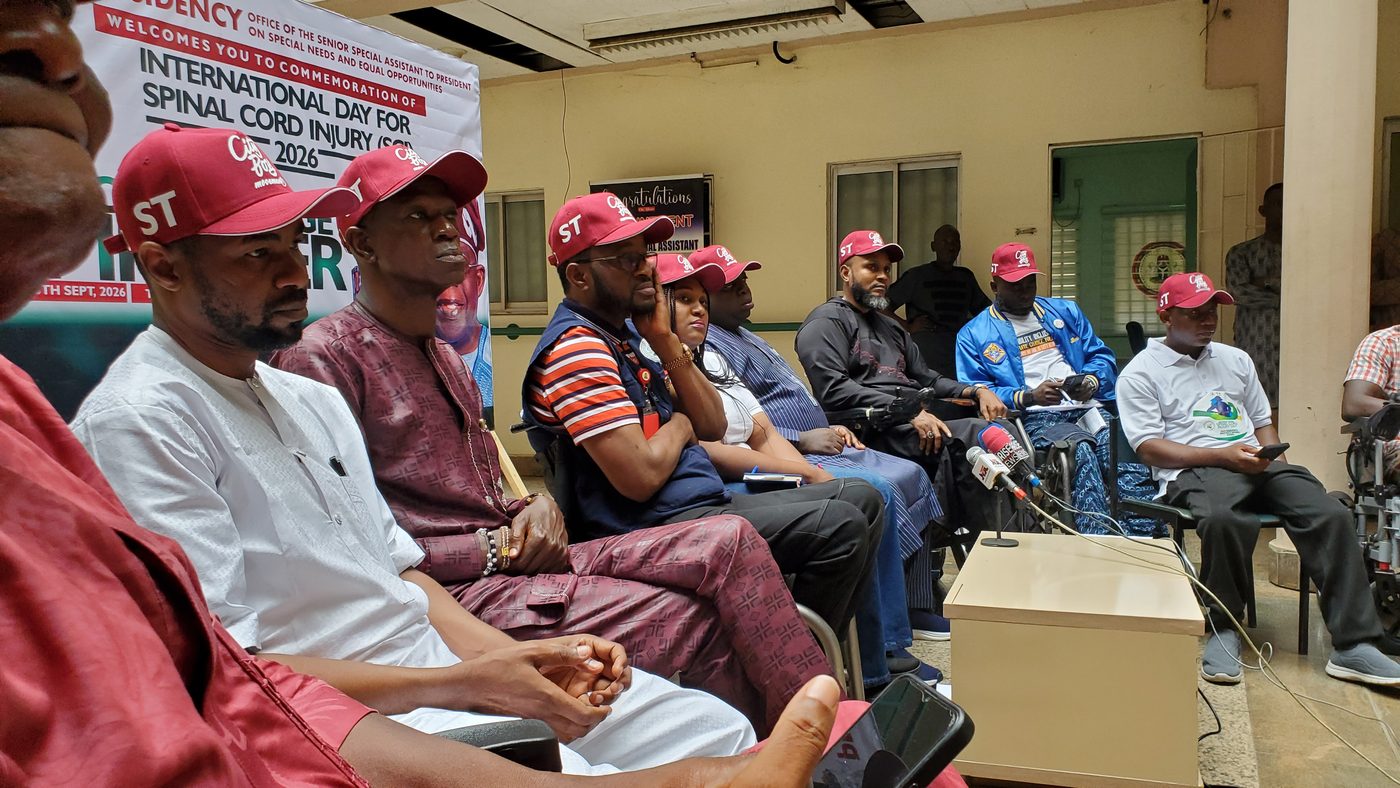
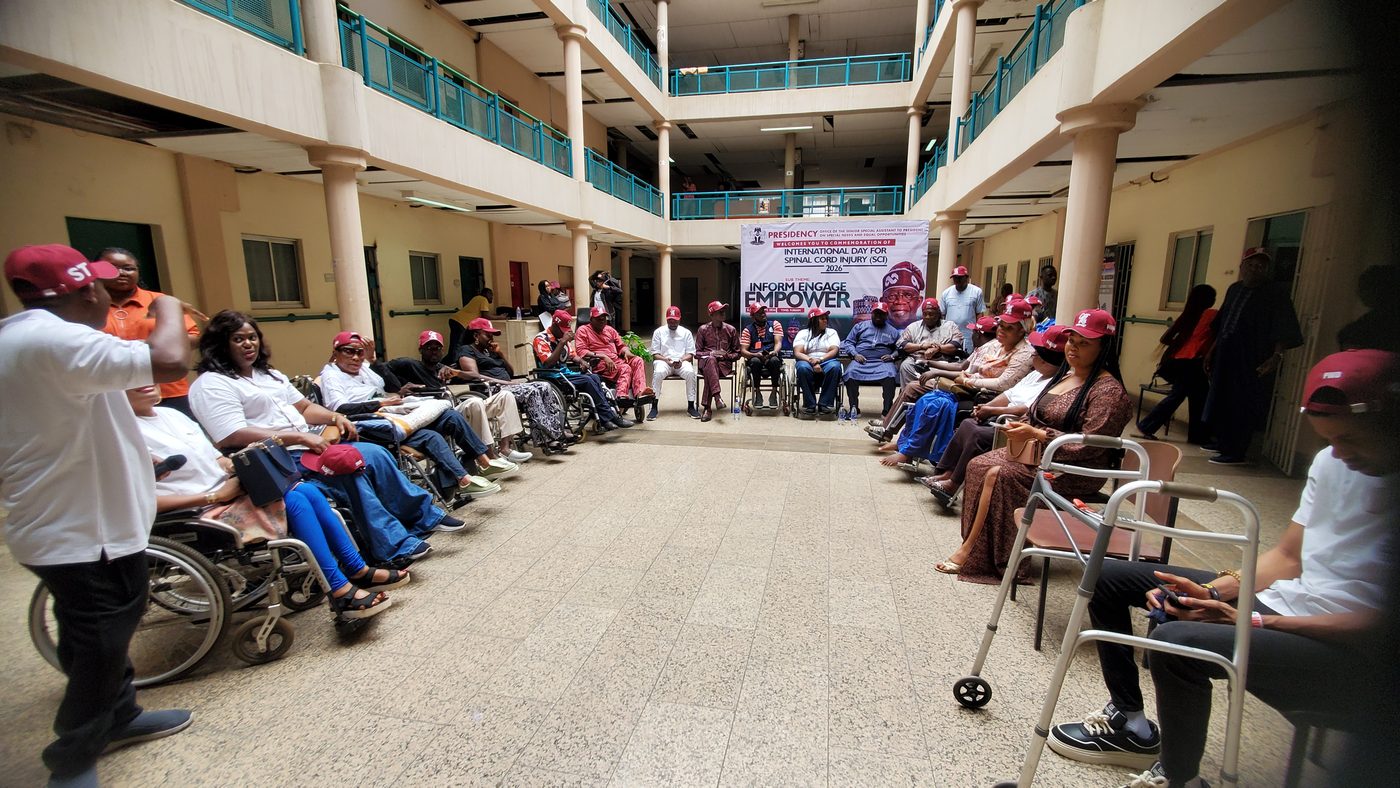
Spinal Cord Injury Day (SCI Day), observed every year on 5 September, is both a powerful reminder of the challenges faced by people living with spinal cord injury and a renewed call to advance prevention.
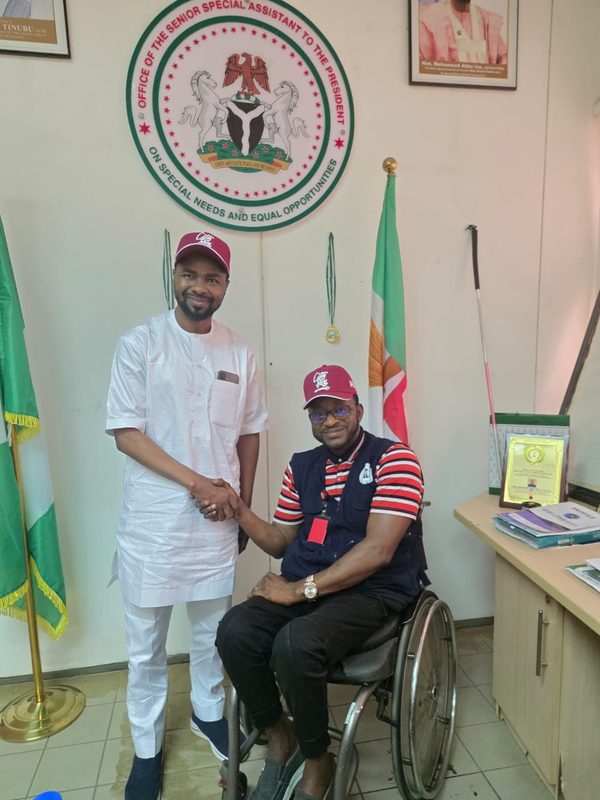
The Presidential aide said sustaining the progress recorded in disability inclusion and social protection would require the continued support of persons with disabilities for the administration of President Bola Ahmed Tinubu.
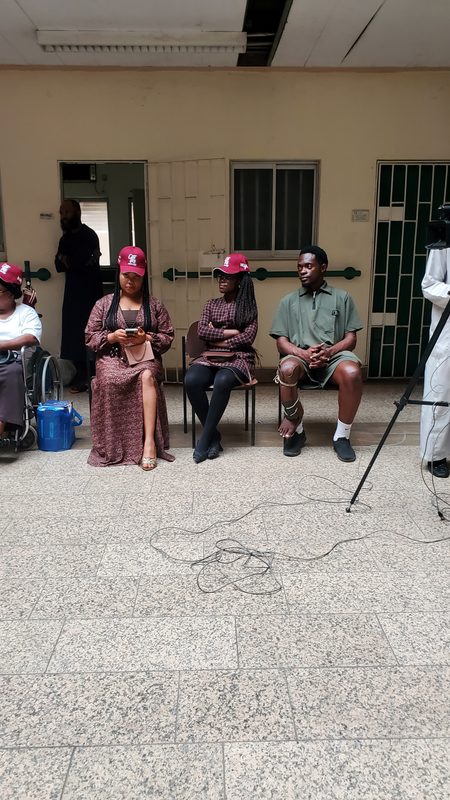
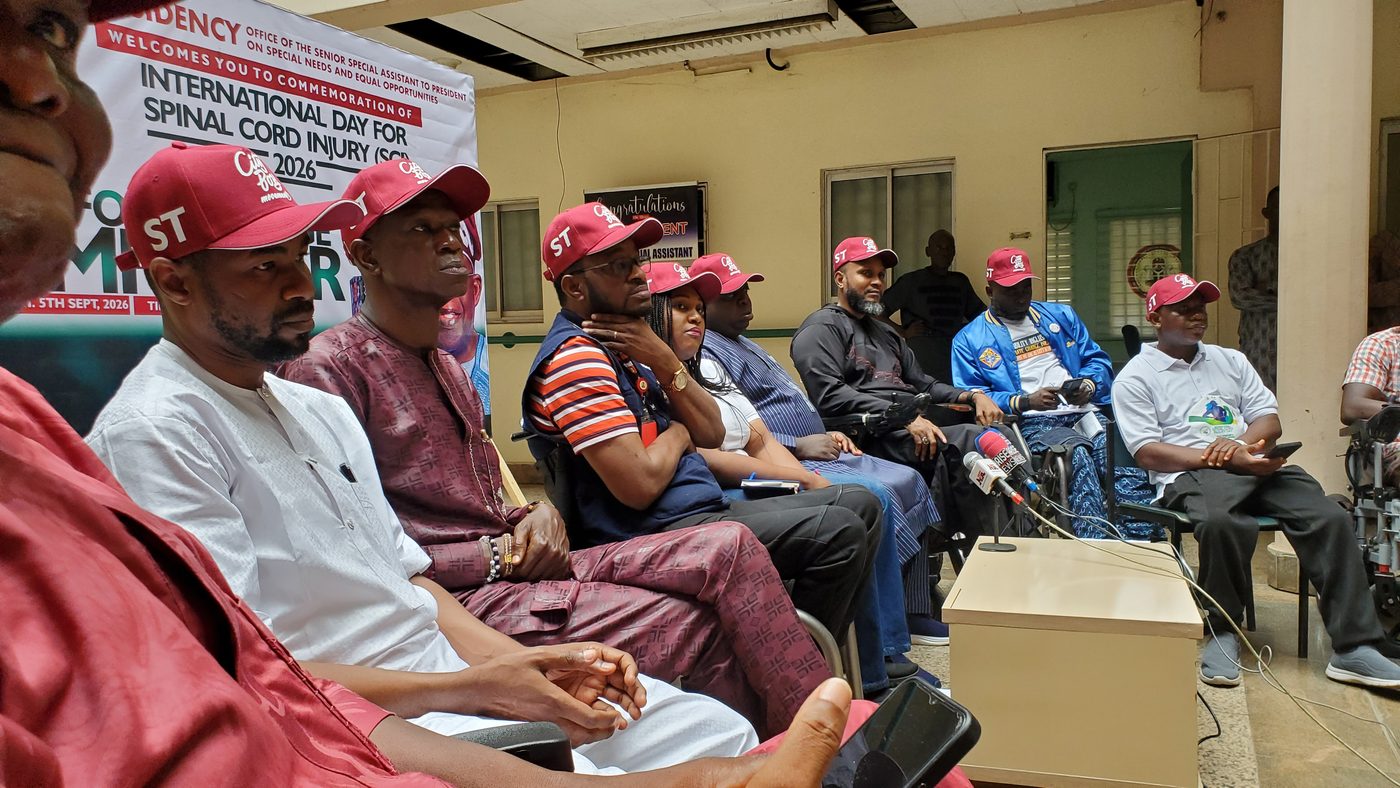
According to him, the City Boy Movement is building a strong network of supporters and a community of patriotic Nigerians who believe in democracy, good governance, inclusion and national development.
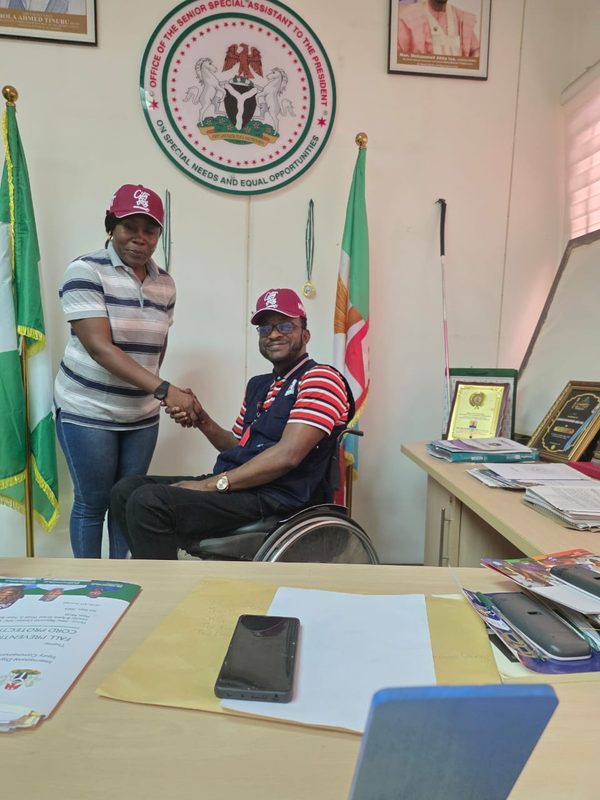
“For us to ensure the sustainability and continuity of all these gains and interventions, we must support and ensure the continuity of the government of President Bola Ahmed Tinubu by re-electing him in 2027,” he said.
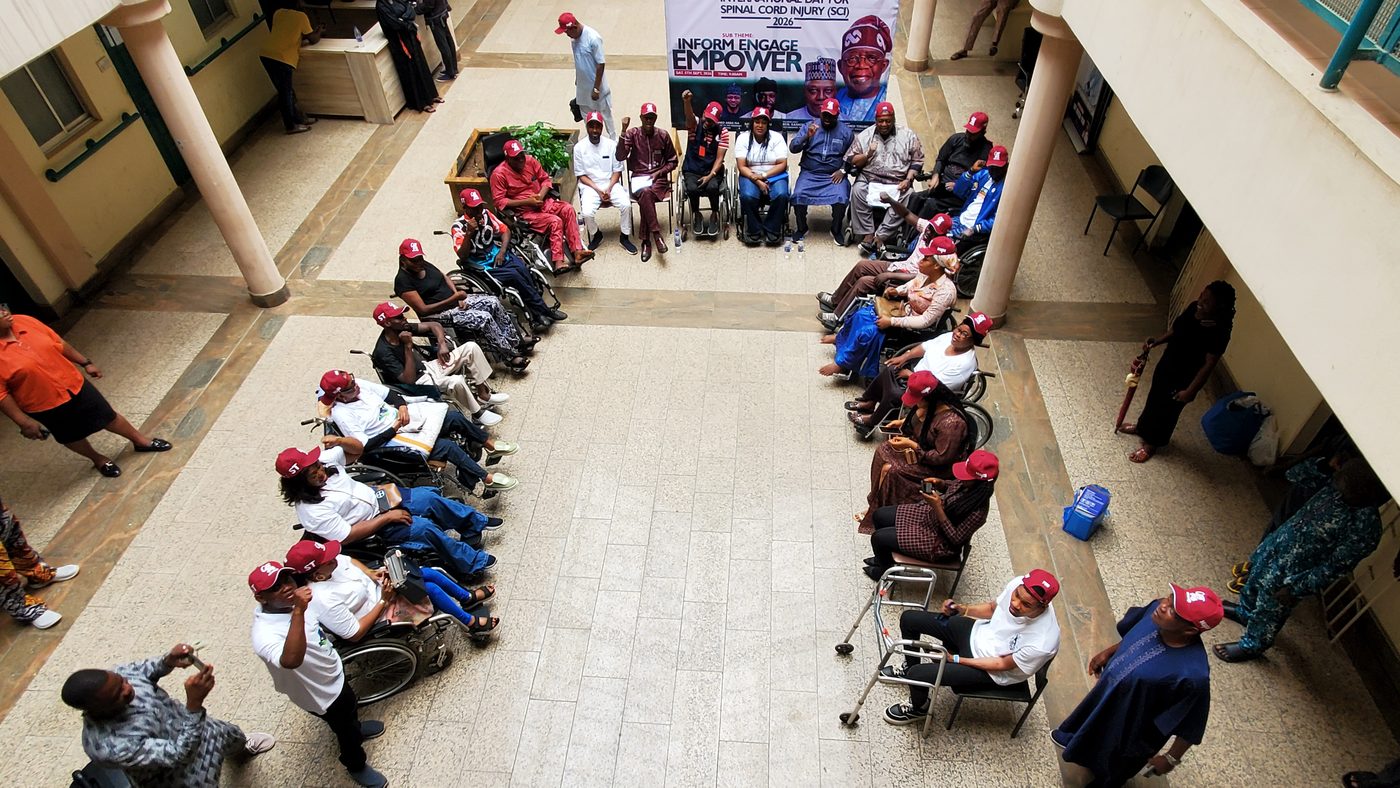
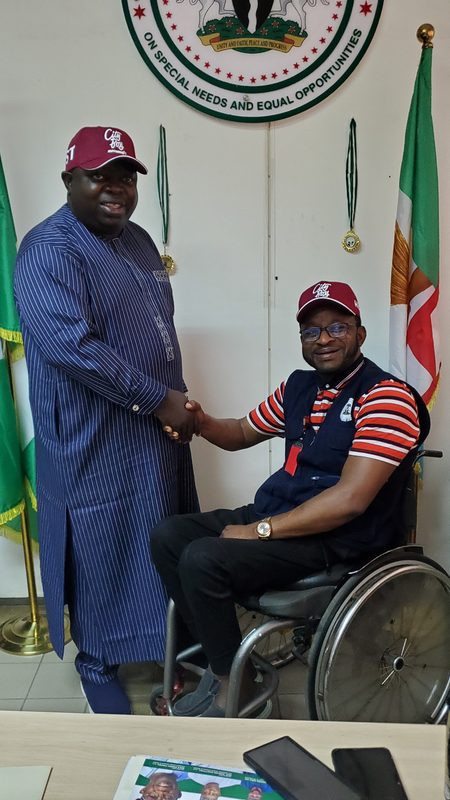
“”In line with the principle of Inform, Engage and Empower, the disability community must not stand aside from the democratic process. We must organise, participate and support a government that has demonstrated commitment towards inclusion and equal opportunities.
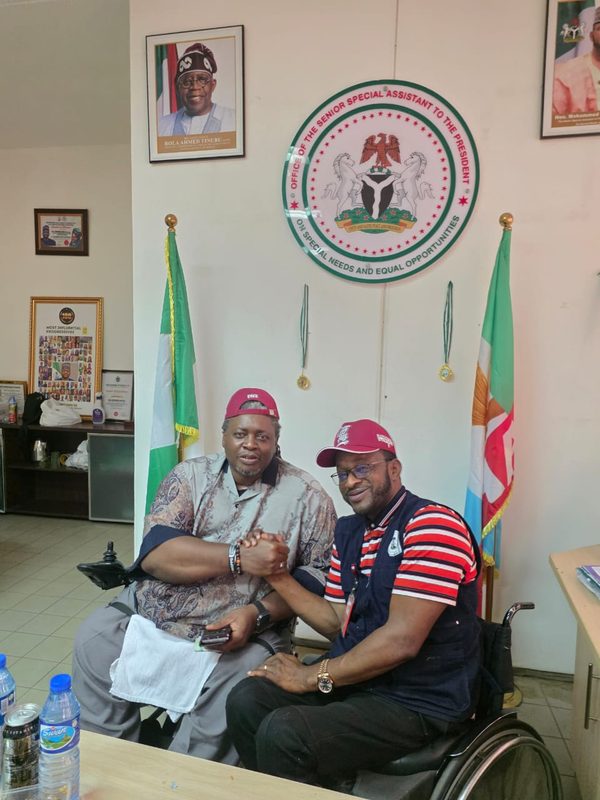
“That is why I enjoin every one of you to onboard and join the City Boy Movement, so that together we can work towards returning President Bola Ahmed Tinubu in 2027 and consolidating the gains we have recorded so far.”
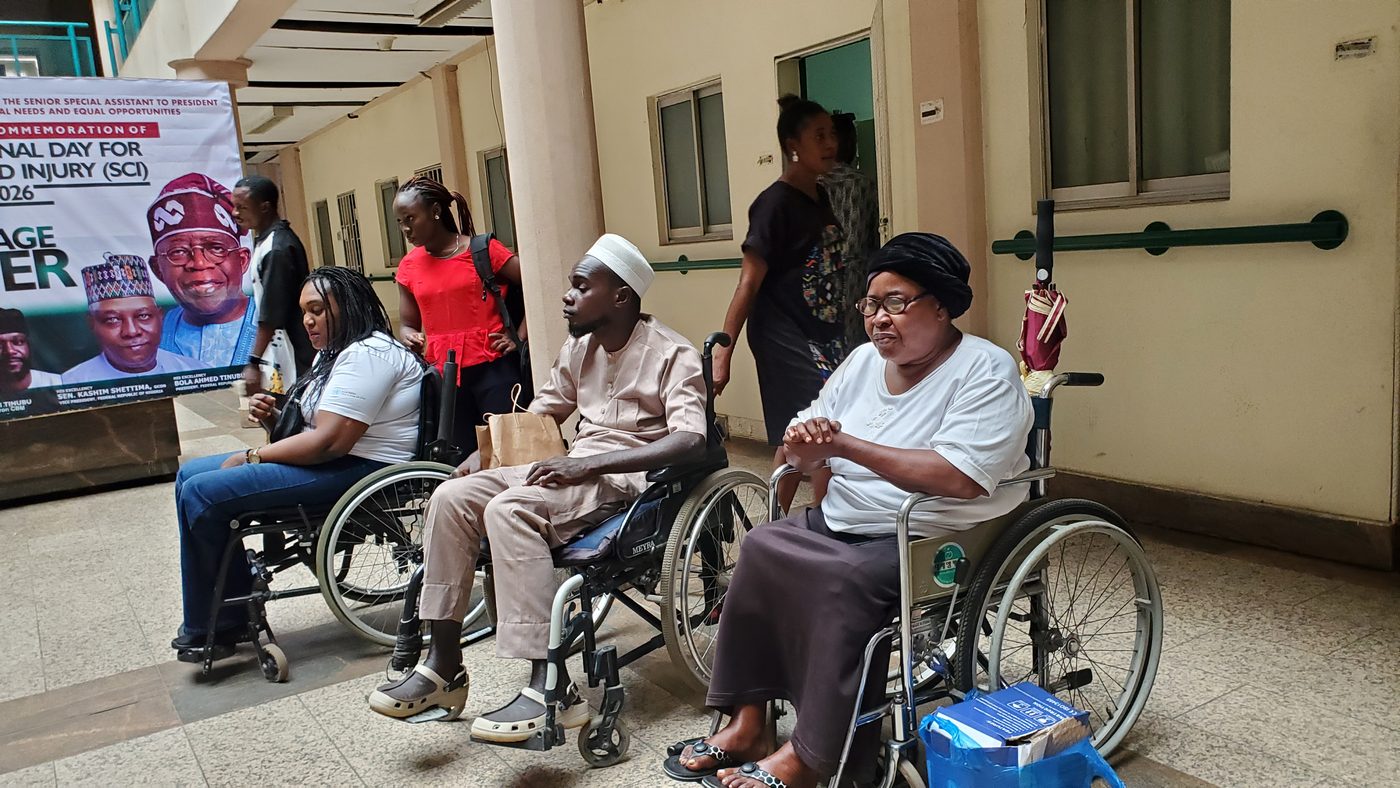
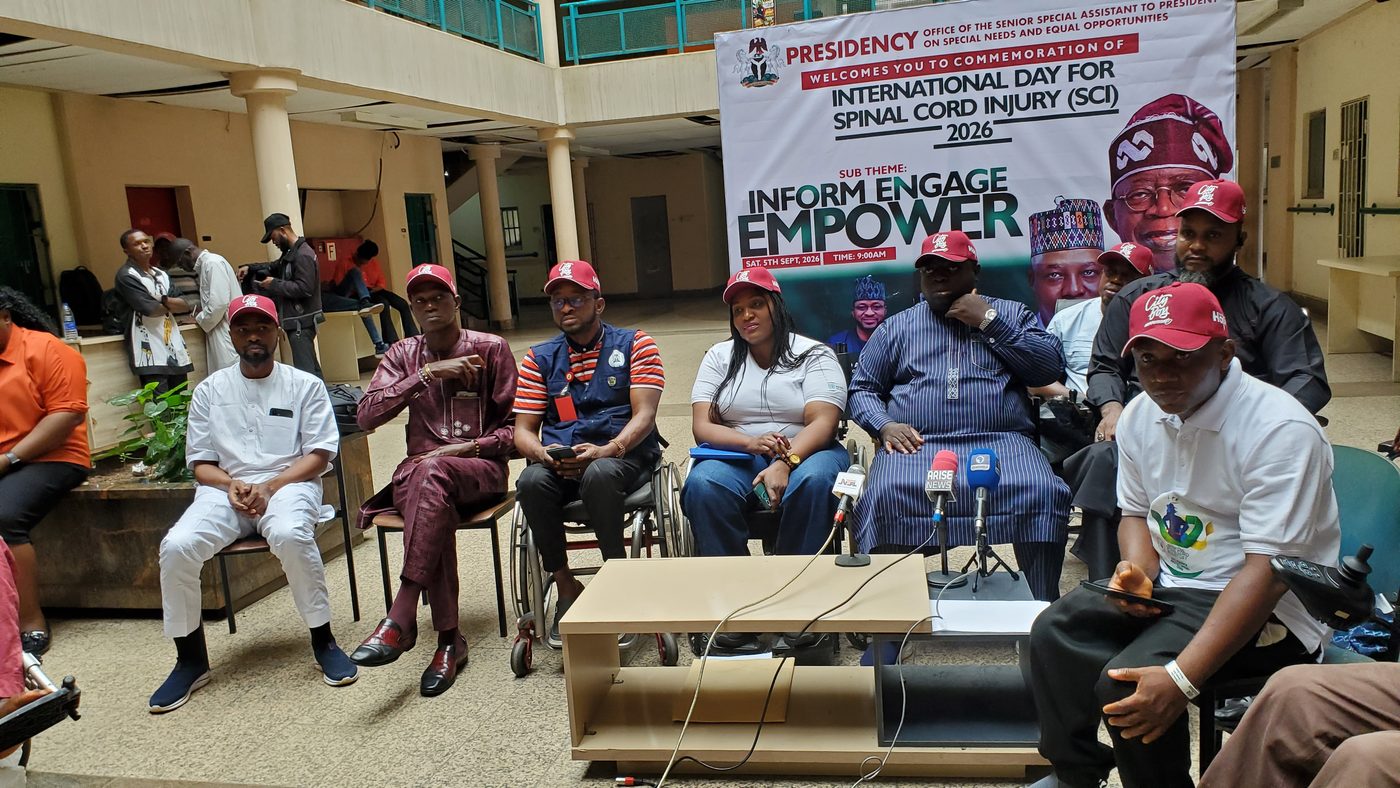
He stressed that the participation of persons with disabilities in democracy should go beyond voting, noting that it was also about protecting progress, sustaining inclusion and ensuring that their voices and interests remained central to national development.
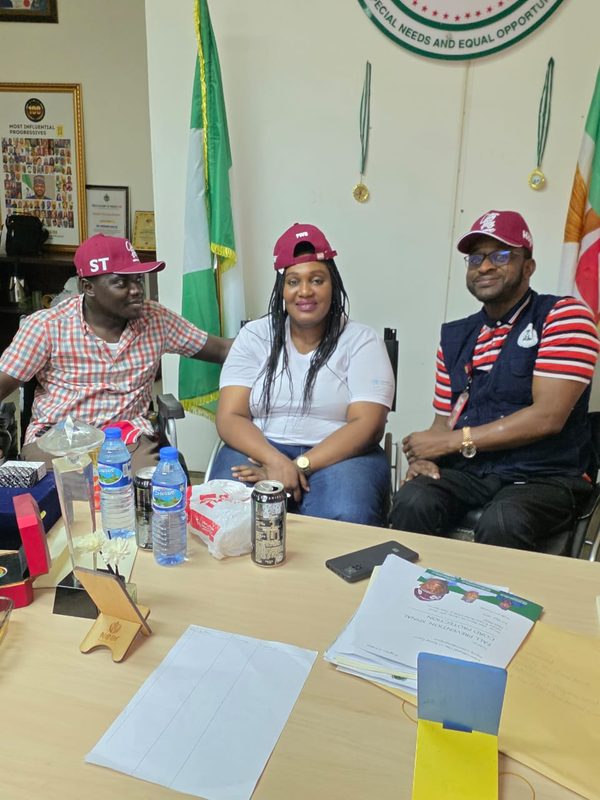
The CBM National Director then shared the membership registration link to participants and ensured their onboarding on the CBM Platform.
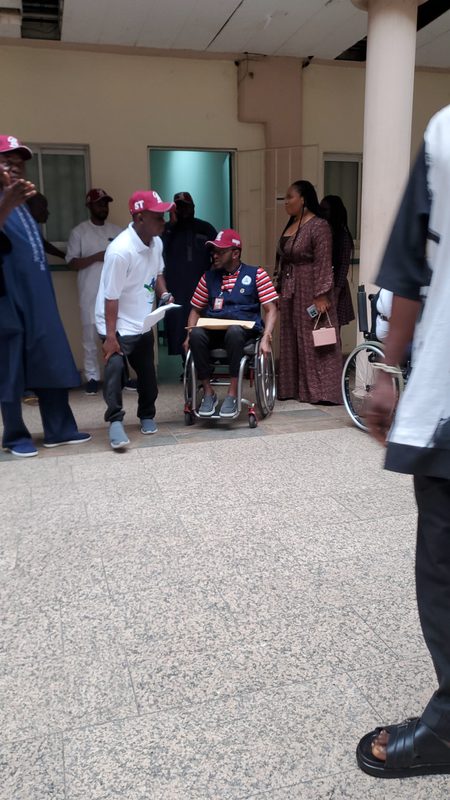
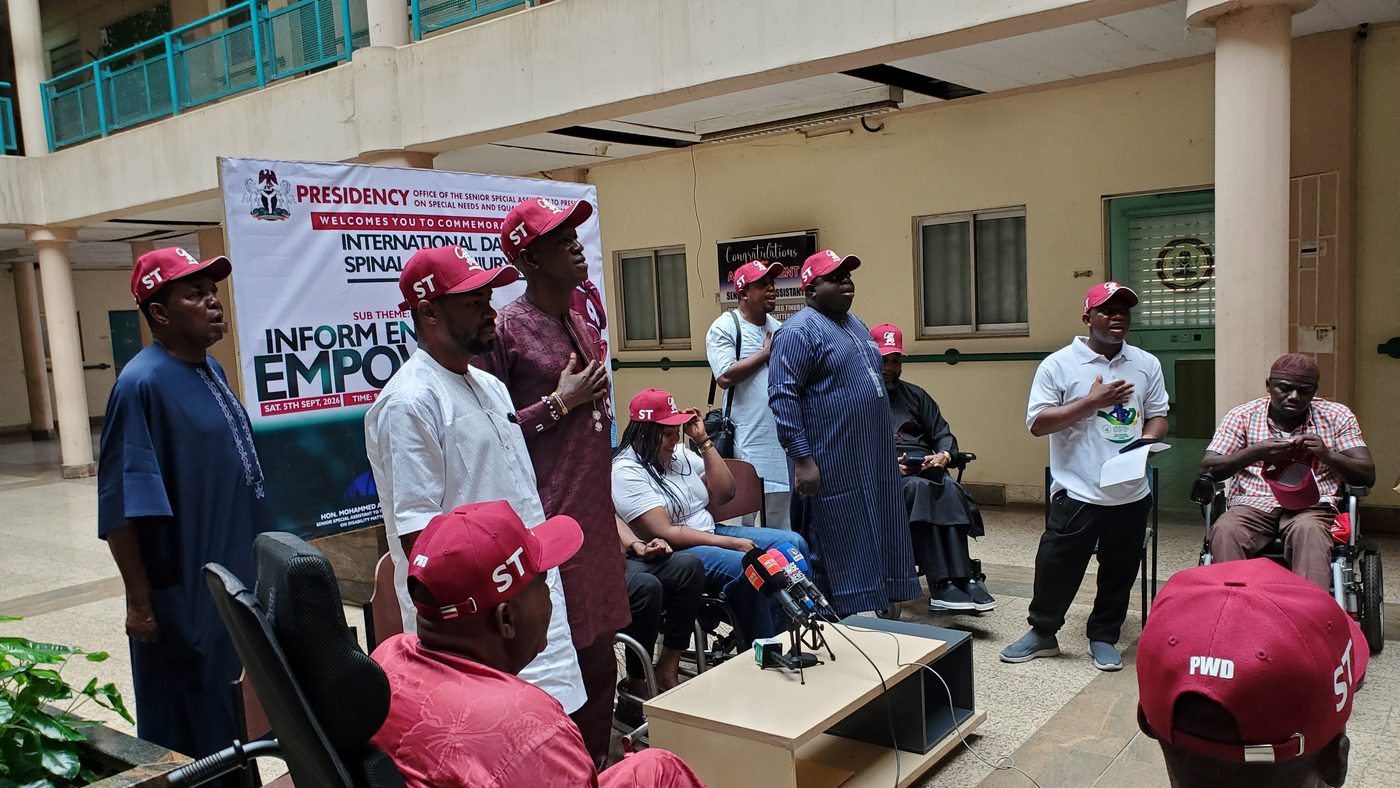
Abba Isa maintained that the administration of President Bola Ahmed Tinubu, GCFR, remained committed to building a more inclusive Nigeria where no citizen would be left behind.
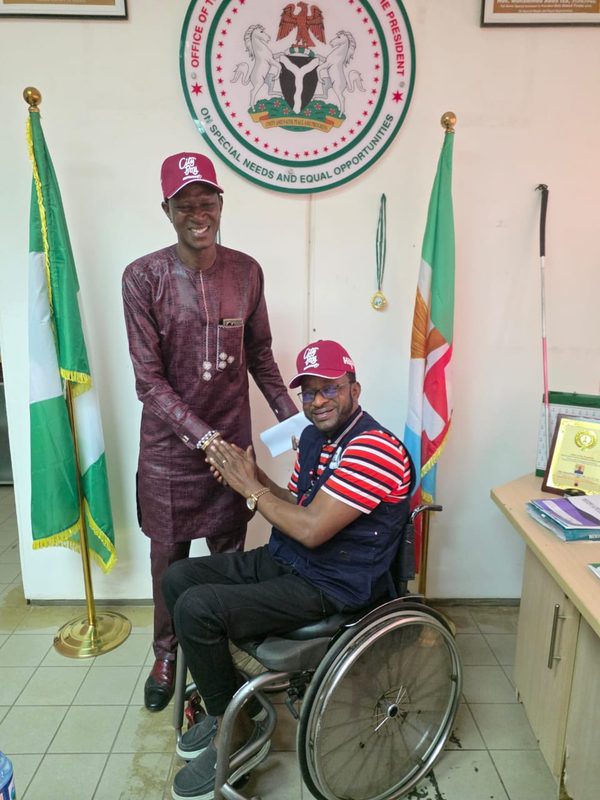
He said disability inclusion was increasingly being integrated into governance, economic empowerment and social protection under the Renewed Hope Agenda, with the objective of ensuring that persons with disabilities were not merely beneficiaries of government policies but active participants and contributors to Nigeria’s economic growth and national development.
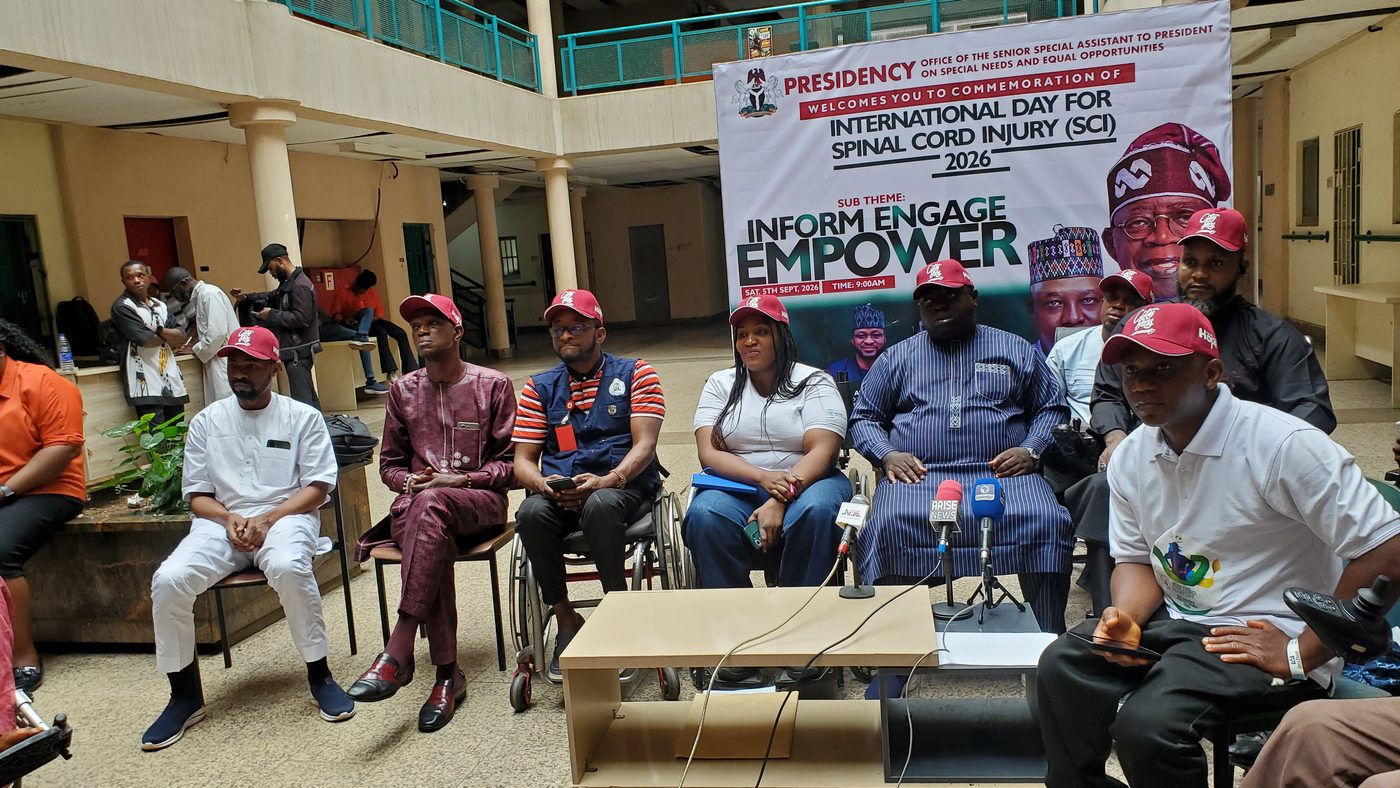
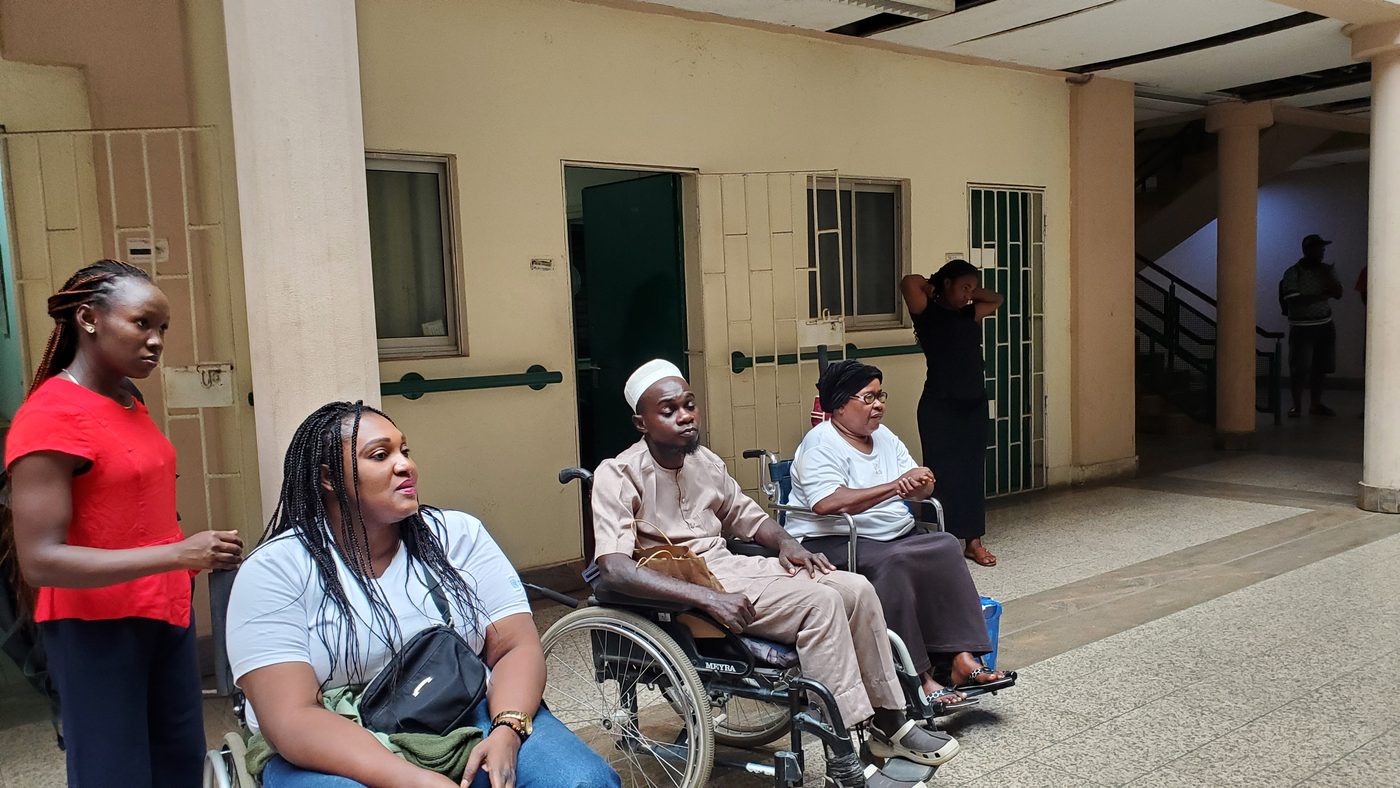
He commended the Spinal Cord Injuries Association of Nigeria (SCIAN), FCT Chapter, under the leadership of Mrs. Chioma Maureen Egede, for its sustained advocacy and commitment to improving the lives of persons living with spinal cord injuries.
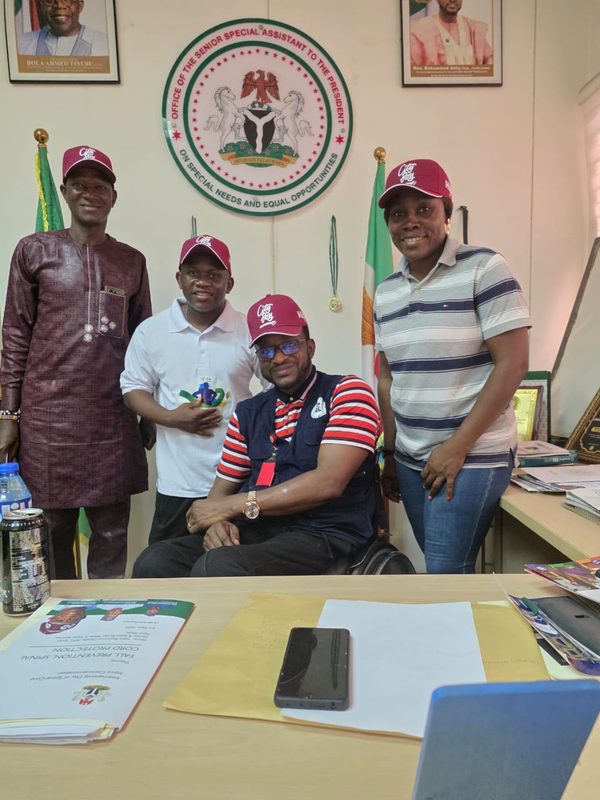
Earlier, the Chairman of SCIAN, FCT Chapter, Mrs. Chioma Maureen Egede, commended the Senior Special Assistant for his consistent dedication and advocacy towards improving the lives of spinal cord injury survivors.
Egede, however, raised concerns over the lack of functional rehabilitation centres for spinal cord injury survivors in the country.
She called on the Federal Government and relevant stakeholders to prioritise the establishment and revival of rehabilitation centres, stressing that survivors required specialised medical care and long-term support.
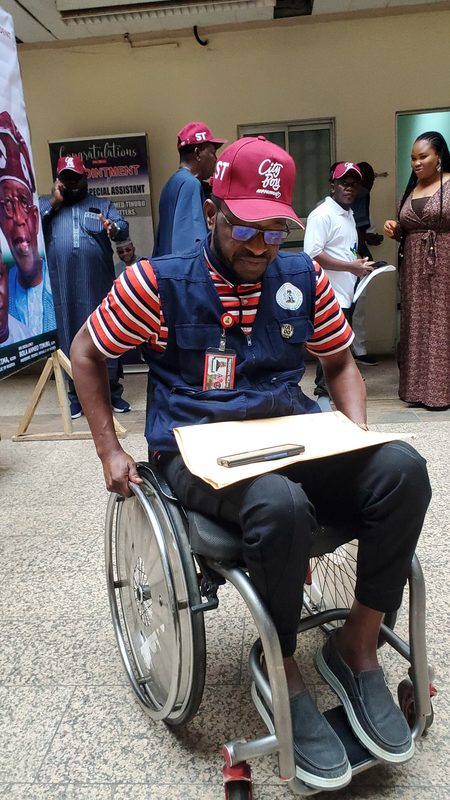
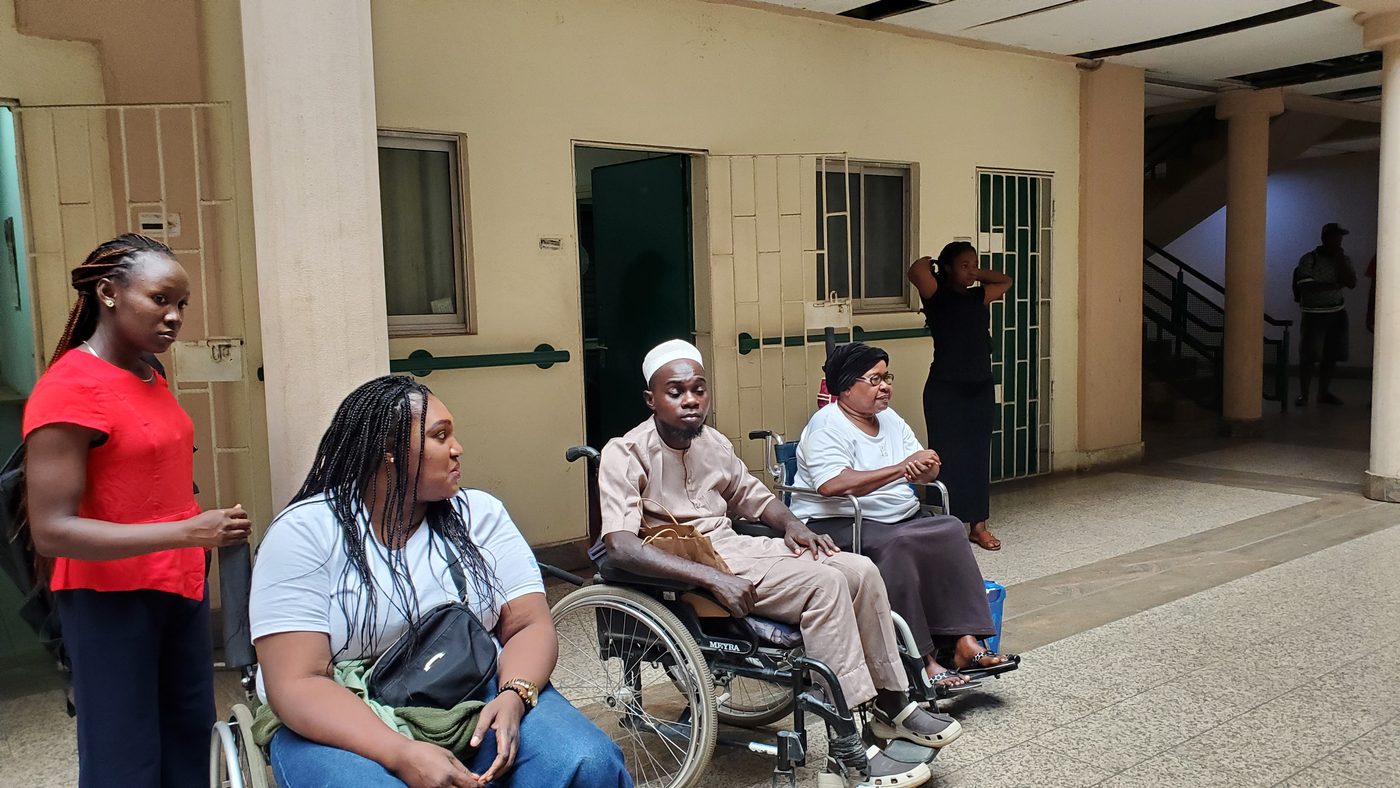
She also called for strengthened community support systems, including the provision of wheelchairs and other essential medical consumables.
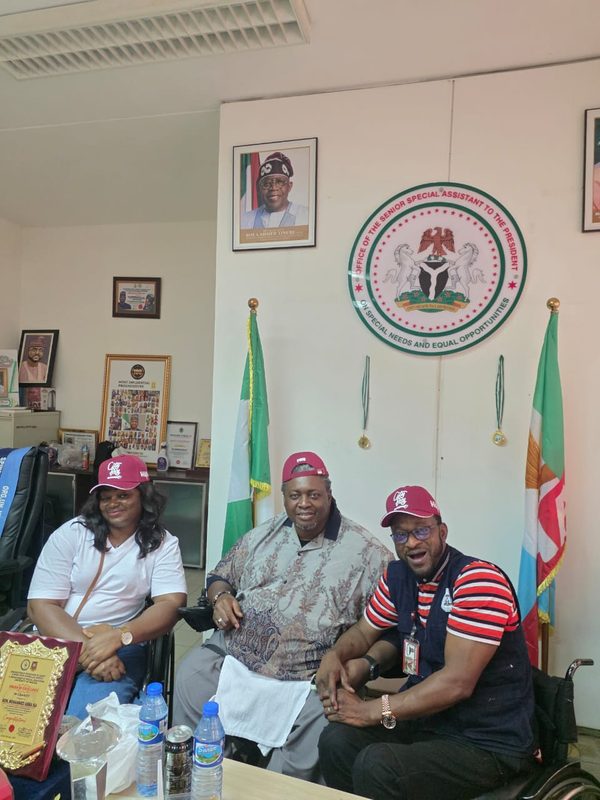
“Having a spinal cord injury is one of the most expensive medical conditions to manage. We need access to wheelchairs and several medical consumables that are essential to the survival and wellbeing of persons with spinal cord injuries,” she said.
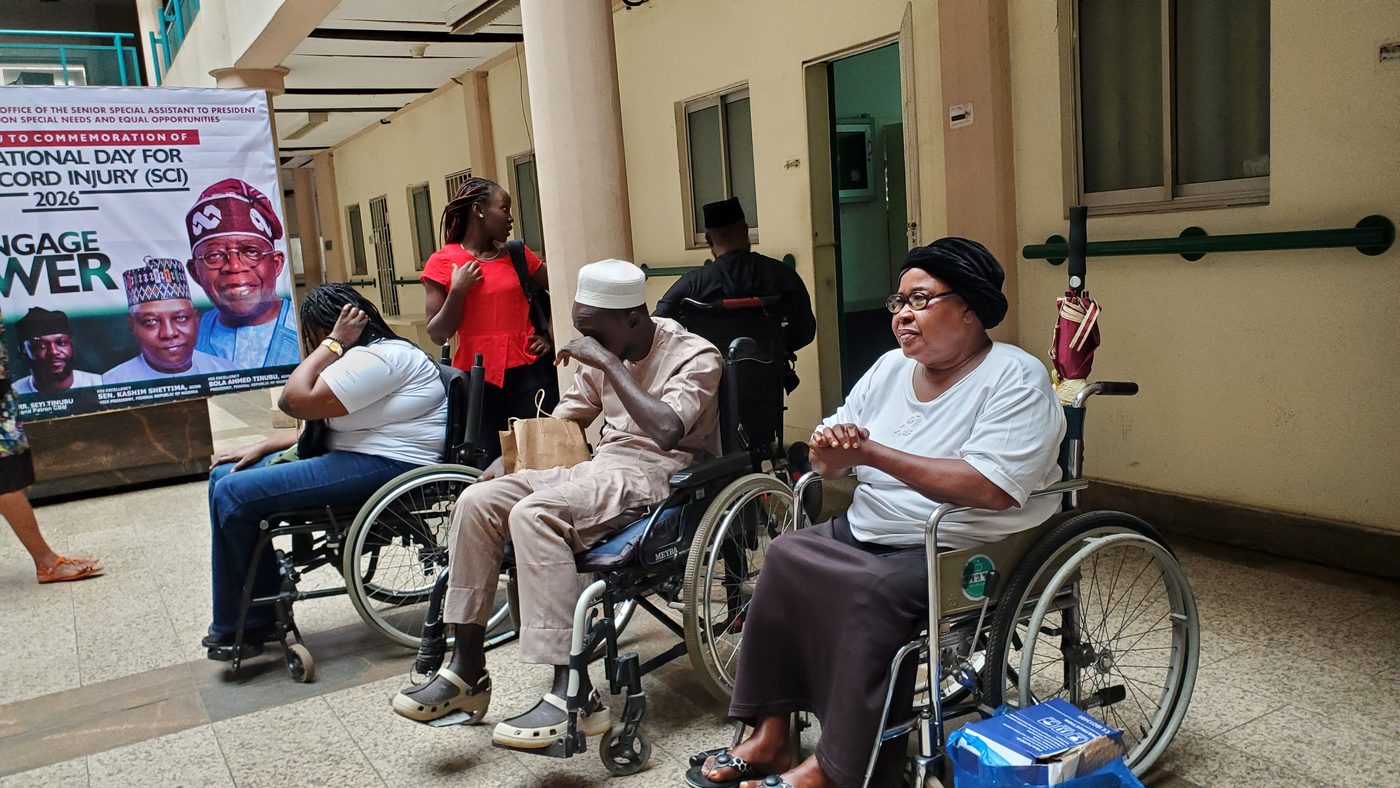
Egede urged stakeholders to move beyond awareness and take concrete action towards preventing spinal cord injuries and improving the quality of life of survivors.
In his goodwill message, the Minister of Humanitarian Affairs and Poverty Reduction, Dr. Ben M. Duru, who was represented by the Director of Special Needs, Dr. Sunday Hezekiah, commended the Office of the Senior Special Assistant to the President on Special Needs and Equal Opportunities for its interventions in the disability sector.
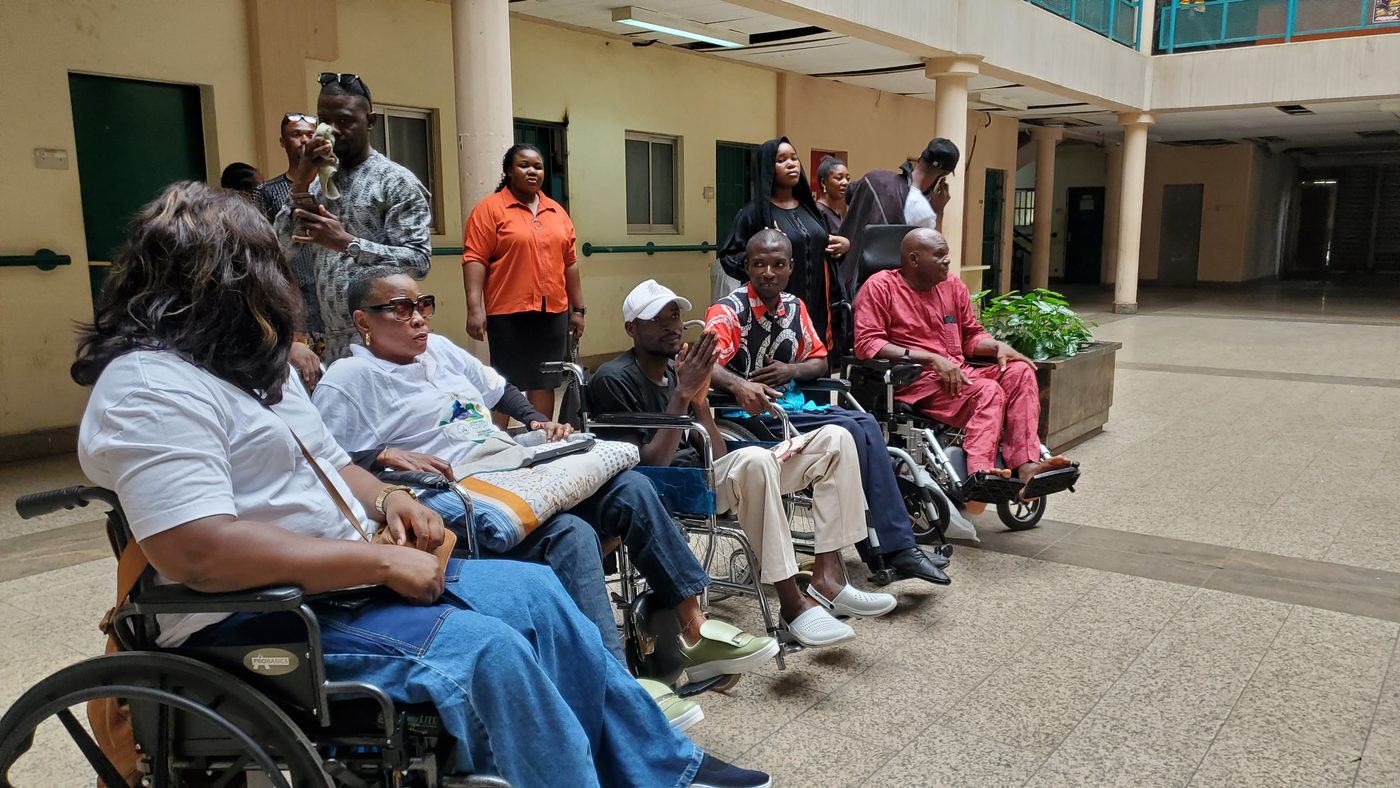
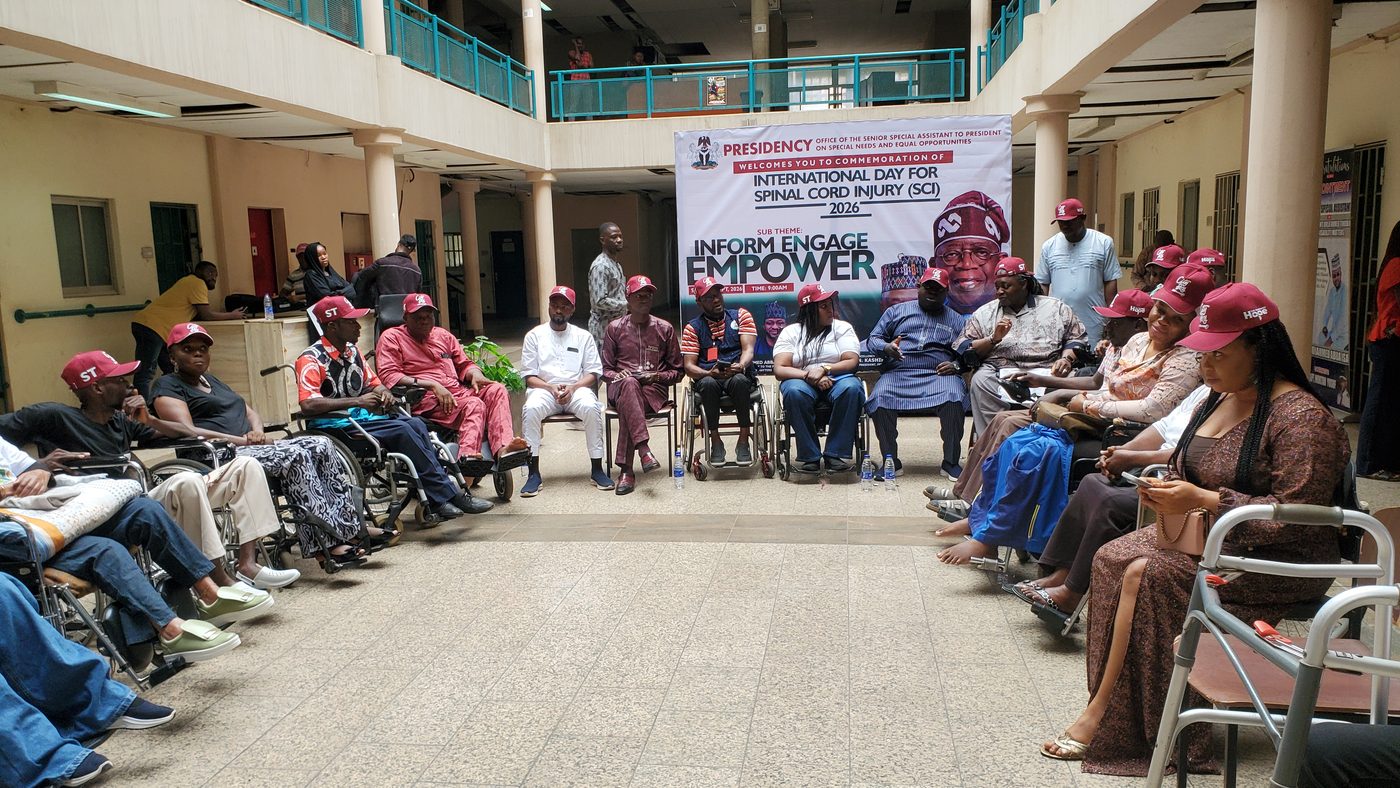
Hezekiah described Abba Isa’s contributions to the welfare of persons with disabilities as remarkable, noting that the office had continued to implement programmes that had positively impacted the disability community.
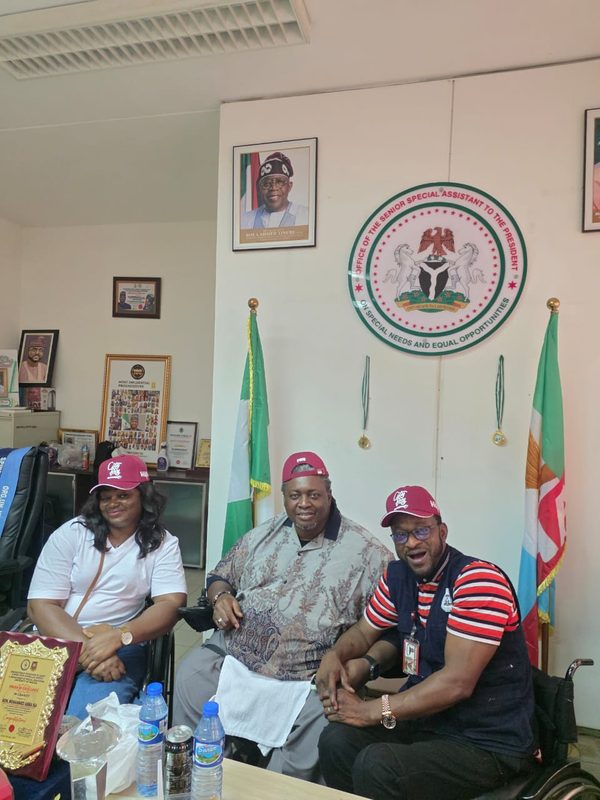
The ministry, he said, would continue to collaborate with the Office of the SSA and other stakeholders to develop programmes aimed at improving the lives of persons with disabilities.
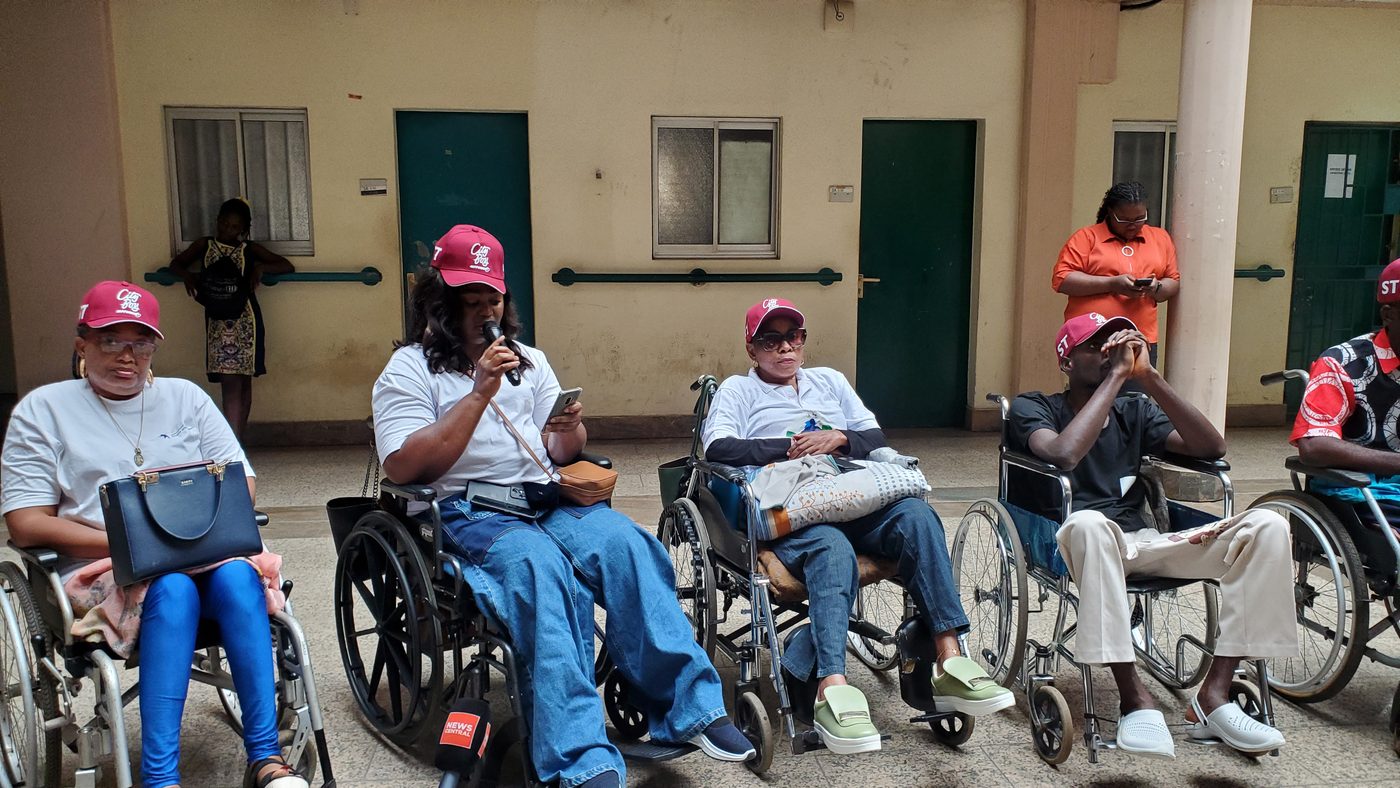
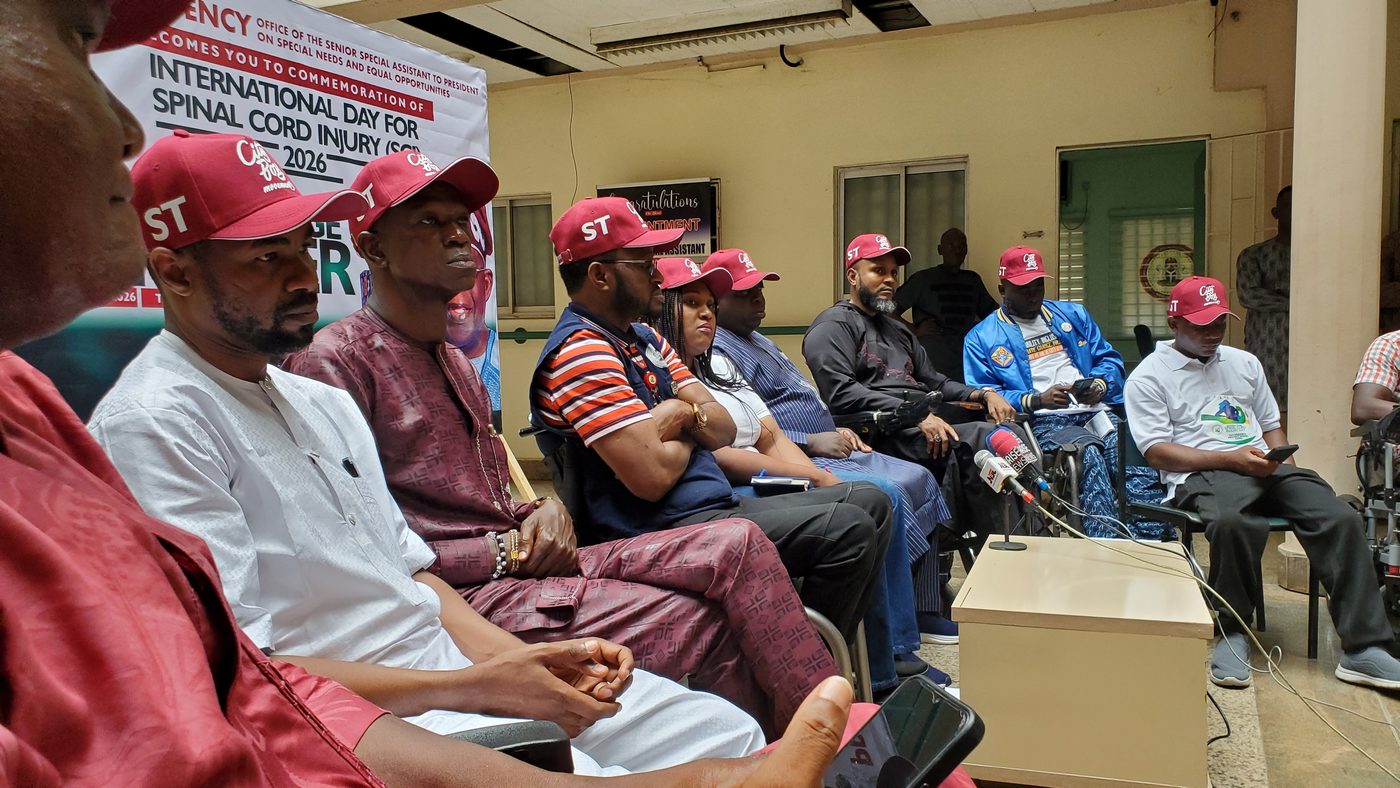
He called for greater attention to spinal cord injury survivors, noting that there was still limited advocacy and intervention targeted specifically at the group.
According to him, governments and stakeholders at the federal, state, local government and community levels must ensure that persons with spinal cord injuries are included in policies, programmes and development initiatives.
“There is nothing that should be done for persons with disabilities without involving them from the conception of a proposal to the implementation and evaluation of programmes and projects,” he said.
The Director also expressed concern over the condition of rehabilitation centres across the country, disclosing that several facilities previously operated by the Federal Government had either been abandoned or converted to other uses after being handed over to state governments.
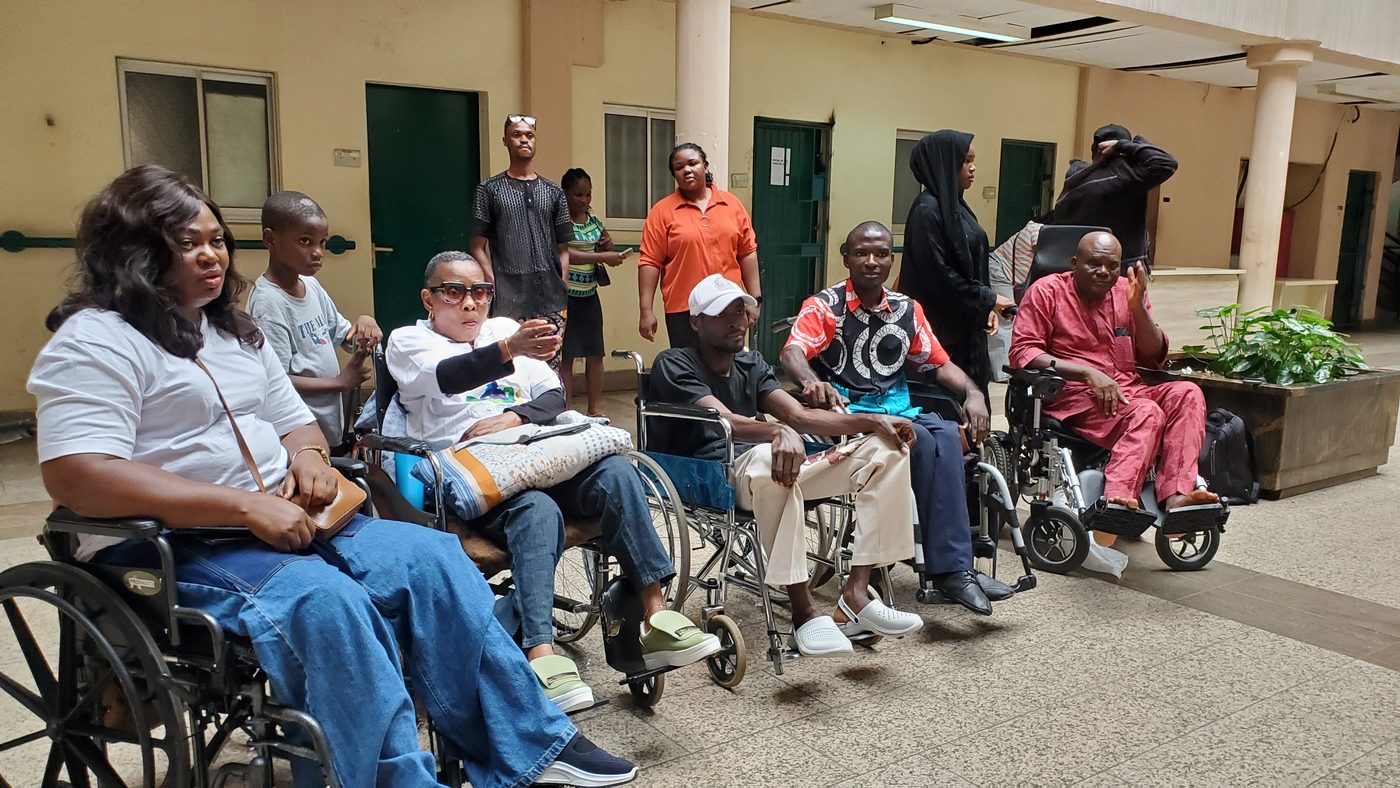
He said some of the rehabilitation centres had been transformed into facilities serving purposes different from their original mandate, while others had become non-functional.
He, however, expressed optimism that renewed collaboration among relevant agencies could lead to the revival and improved management of rehabilitation facilities across Nigeria.
He urged state governments and the Federal Capital Territory Administration to establish and strengthen rehabilitation centres, while calling for increased budgetary allocation to disability-related programmes.
“PWDs’ issues require significant resources. We must continue to advocate not only for inclusion but also for adequate budgetary provisions to ensure that disability programmes are implemented to their logical conclusion,” he said.
Also speaking, the Director-General of the Medical Rehabilitation Therapists Board of Nigeria, Professor Rufai, emphasised the need for stronger collaboration among stakeholders in addressing the challenges confronting persons living with spinal cord injuries.
He called for sustained awareness campaigns and improved coordination among government institutions, professional bodies, healthcare providers and disability organisations.
Professor Rufai also advocated the revival of existing rehabilitation centres before establishing new ones, stressing that the country must maximise available infrastructure while developing sustainable models for expansion.
He proposed stronger collaboration between the health and education sectors, particularly universities and healthcare institutions, to improve rehabilitation services and professional training.
According to him, rehabilitation centres could benefit from an inter-sectoral management model involving relevant ministries and institutions responsible for healthcare, education, vocational development and social welfare.
He also encouraged stakeholders to ensure that future World Spinal Cord Injury Awareness Day celebrations included opportunities to review resolutions and commitments made during previous commemorations.
Also speaking, the newly appointed Senior Special Assistant to the President on Land, Air and Sea Transportation and Mobility, Prince Adetokunbo Ademola Ade-John, praised spinal cord injury survivors for their resilience and determination to contribute to national development despite the challenges associated with their medical conditions.
He encouraged survivors to remain hopeful and never give up, assuring them that the Renewed Hope Agenda of President Bola Ahmed Tinubu was committed to improving the welfare and wellbeing of persons with disabilities.
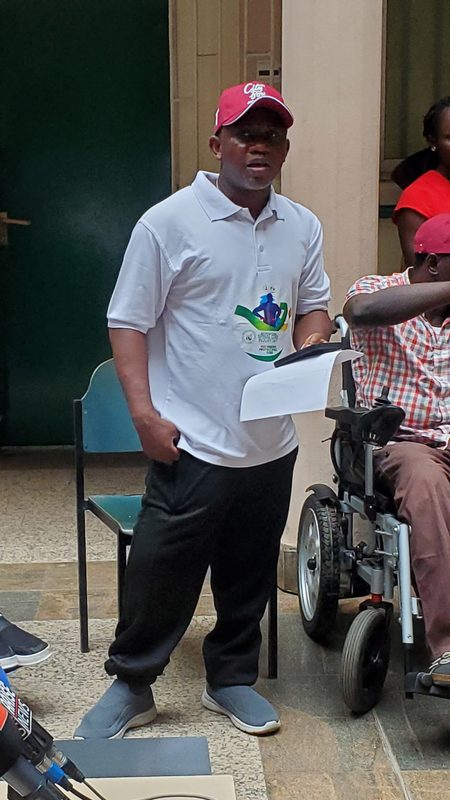
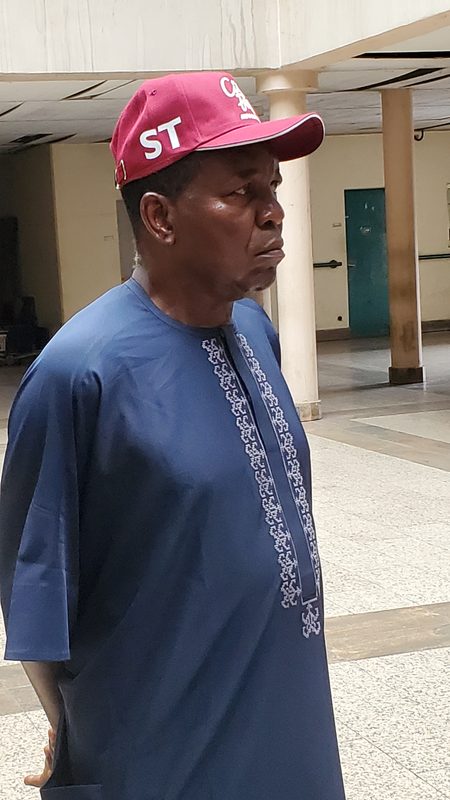
Similarly, former Special Adviser to the Sokoto State Governor on Disability Affairs, Hon. Dr. Abdul’aziz, spoke extensively on the prevention of spinal cord injuries.
He urged Nigerians to adopt safety-conscious behaviour, particularly while travelling by road.
According to him, passengers must be conscious of the condition of vehicles they board and should not hesitate to caution drivers who engage in excessive speeding or unsafe driving practices.
In her remarks, the Representative of the CBR African Network (CAN), Ms. Monica Arinze, called on governments at all levels to prioritise investment in rehabilitation infrastructure and the training of specialised professionals to improve care and support for persons living with spinal cord injuries (SCI).
She stressed the need for inclusive policies that guarantee persons with SCI access to quality education, employment opportunities and public spaces.
Ms. Arinze also emphasised the importance of strengthening road safety laws and enforcement by the Federal Road Safety Corps (FRSC) and other relevant agencies to reduce accidents, which remain a major cause of spinal cord injuries.
According to her, governments should deepen partnerships with the CBR African Network and other non-governmental organisations to expand and strengthen community-based rehabilitation programmes across the country.
