Tinubu’s Aide Abba Isa Reaffirms FG’s Commitment to Strenghtening Disability-Inclusive Financial Policies
By Lanre Oloyede
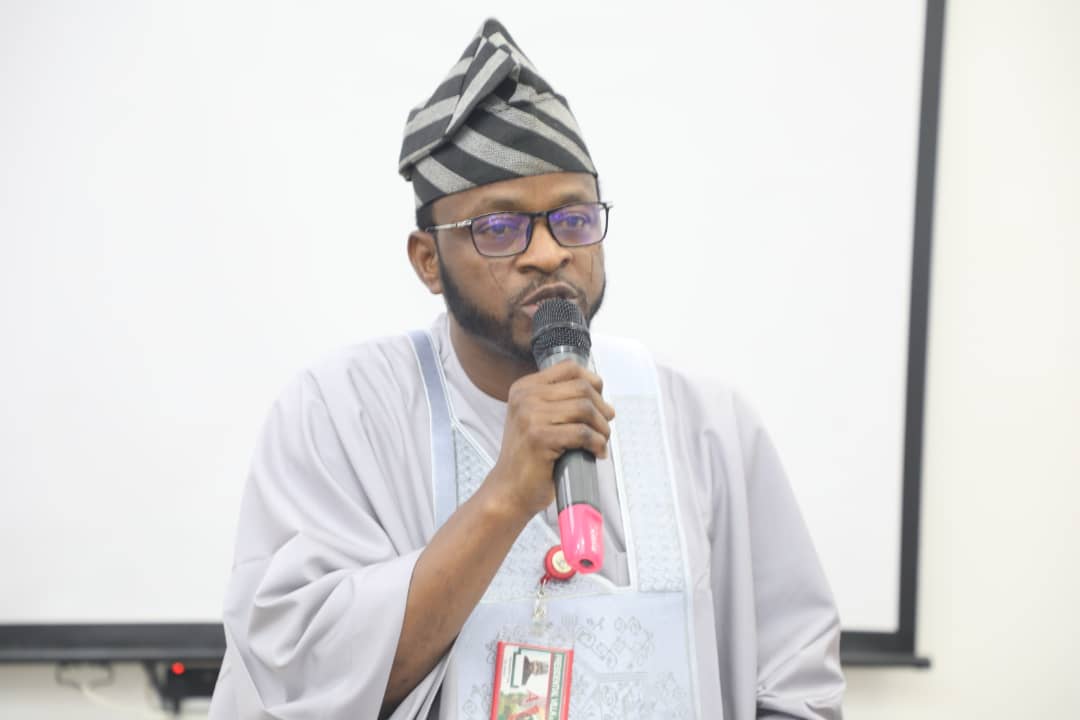
The Senior Special Assistant to the President on Special Needs and Equal Opportunities, Hon. Mohammed Abba Isa, has reaffirmed the commitment of the Federal Government to advancing disability-inclusive financial policies and ensuring that Persons with Disabilities (PWDs) have equal access to financial services across Nigeria.
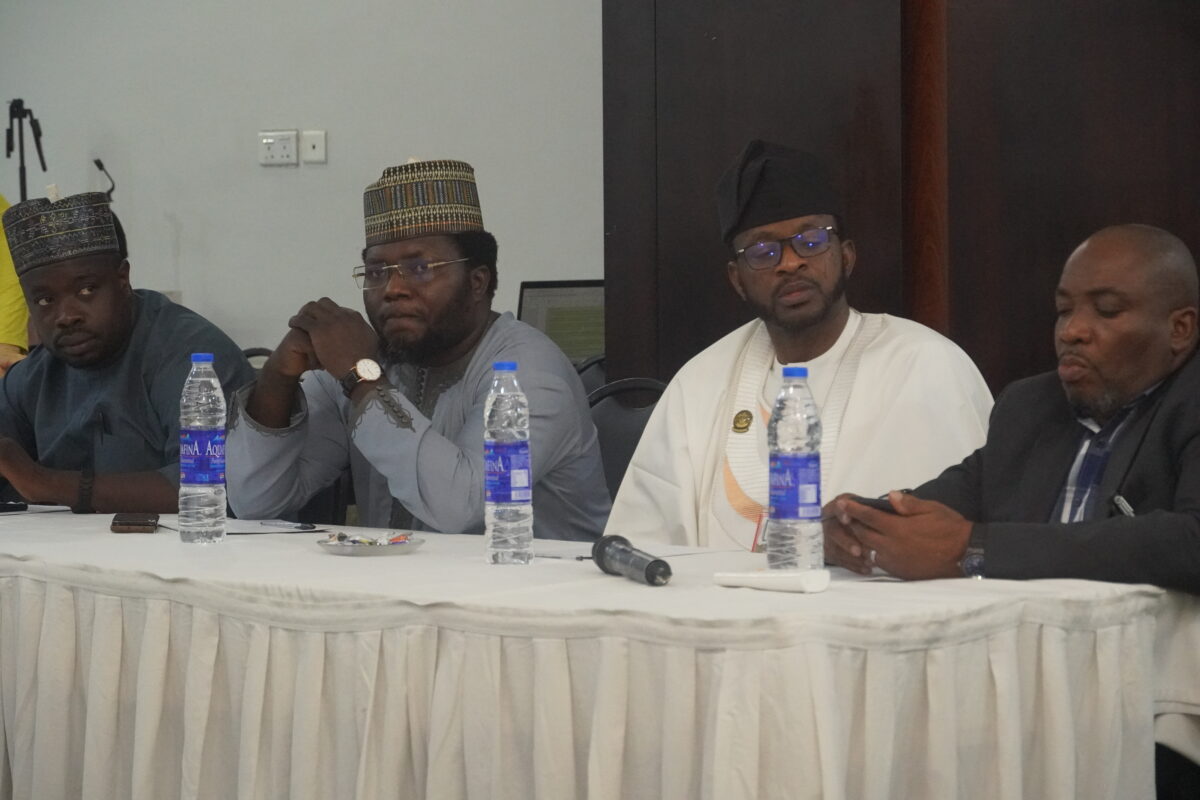
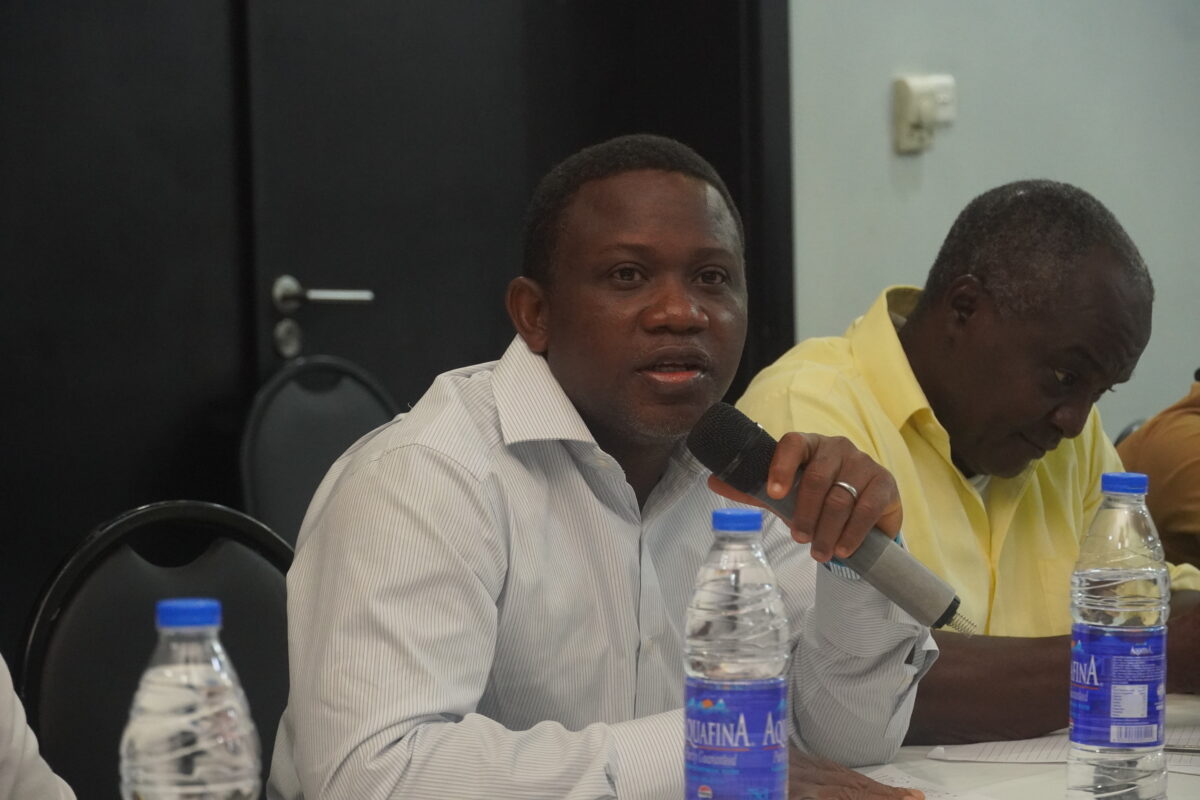
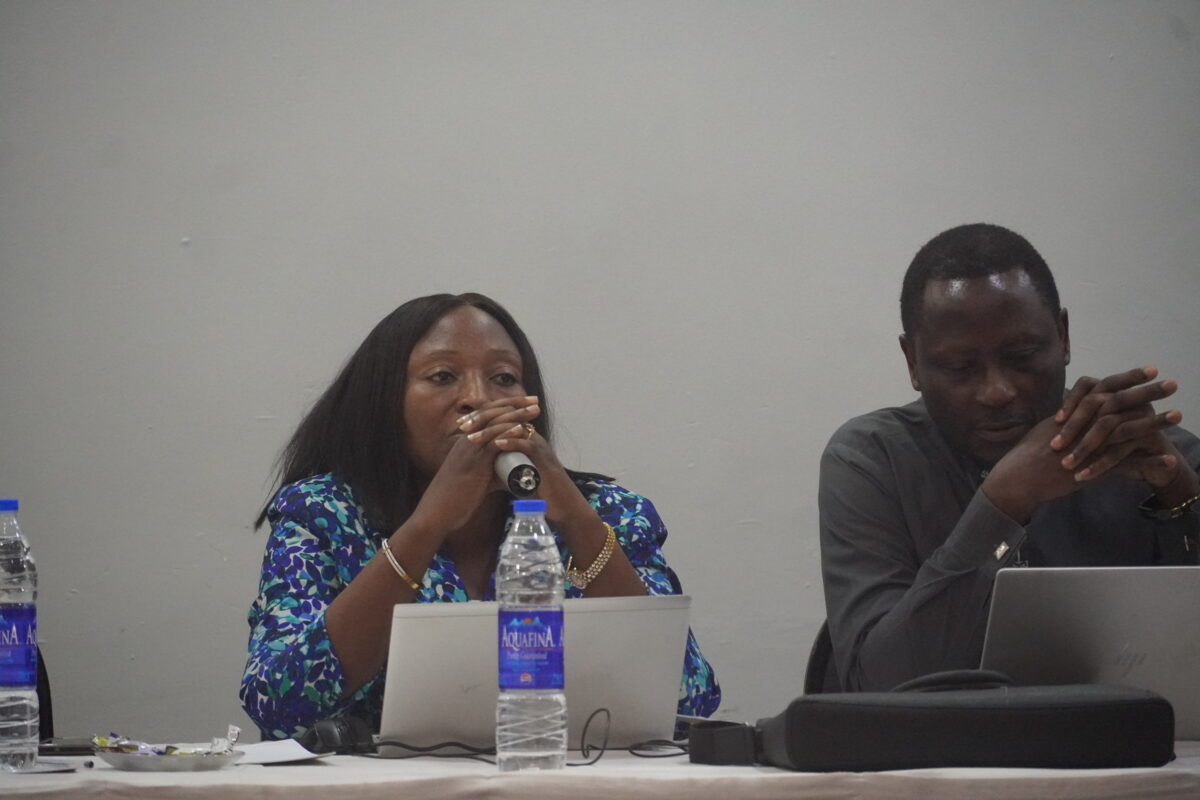
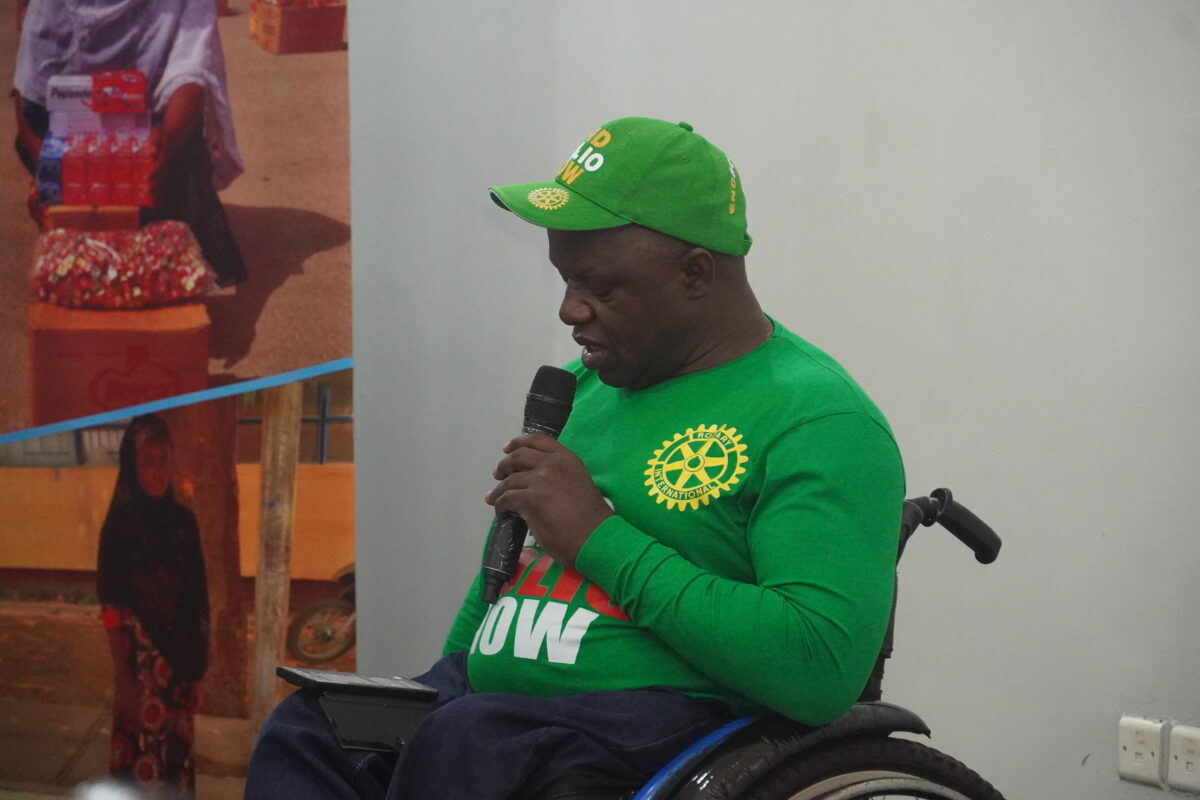
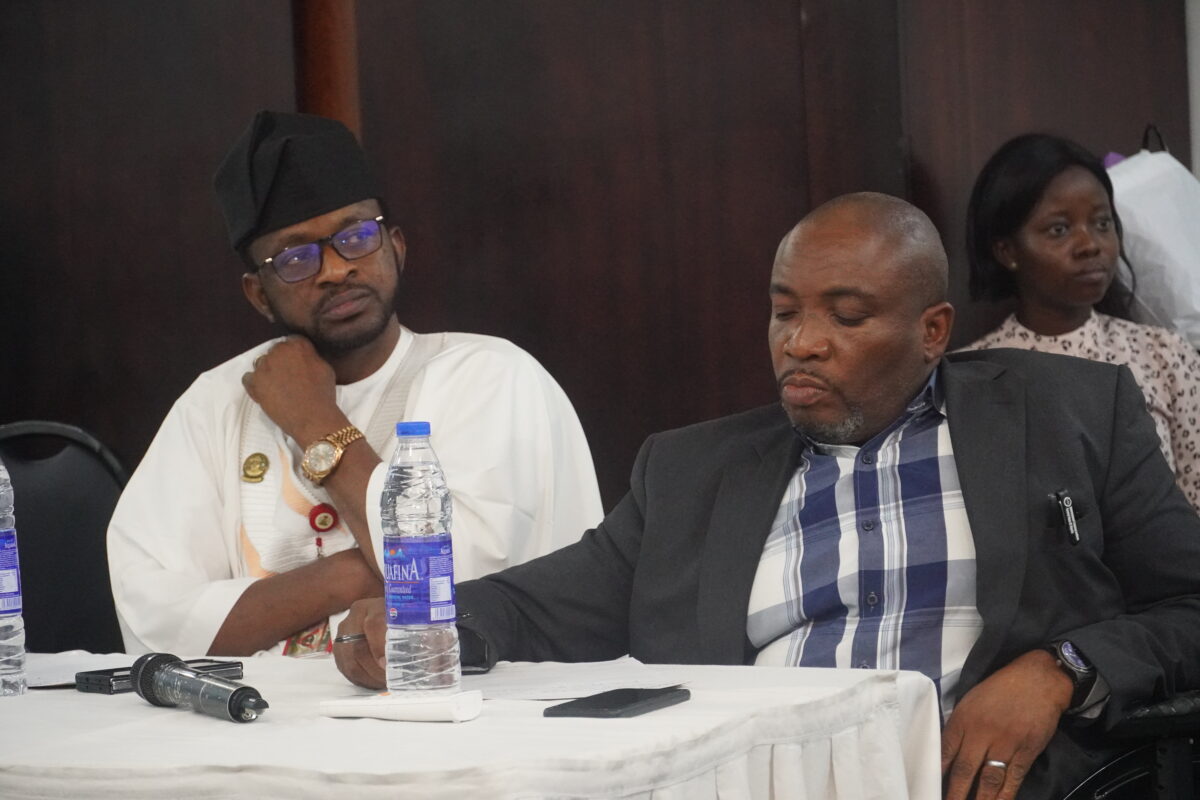
Speaking at the two-day Stakeholder Dissemination Forum organized under the Girls Education and Skills Partnership (GESP) Project in Lagos, Abba Isa emphasized that the administration of President Bola Ahmed Tinubu, under the Renewed Hope Agenda, remains committed to promoting policies that eliminate barriers preventing PWDs from fully participating in the nation’s financial ecosystem.
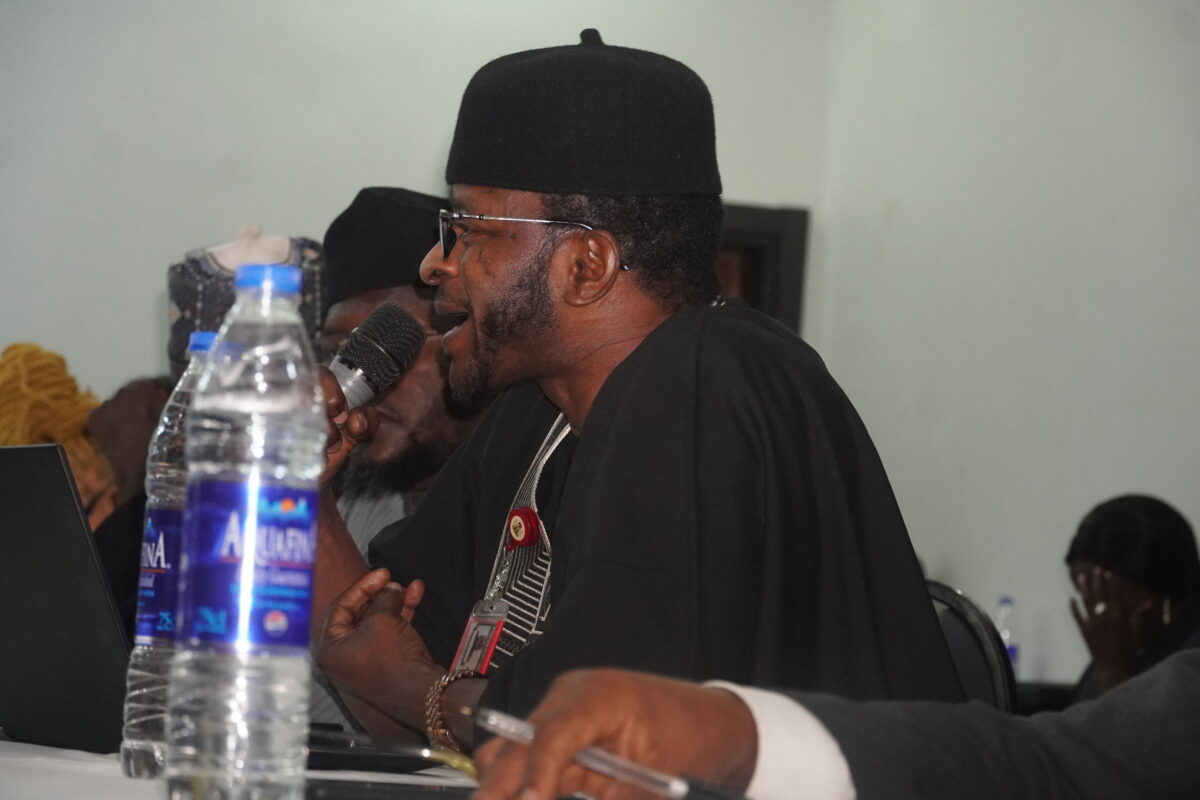
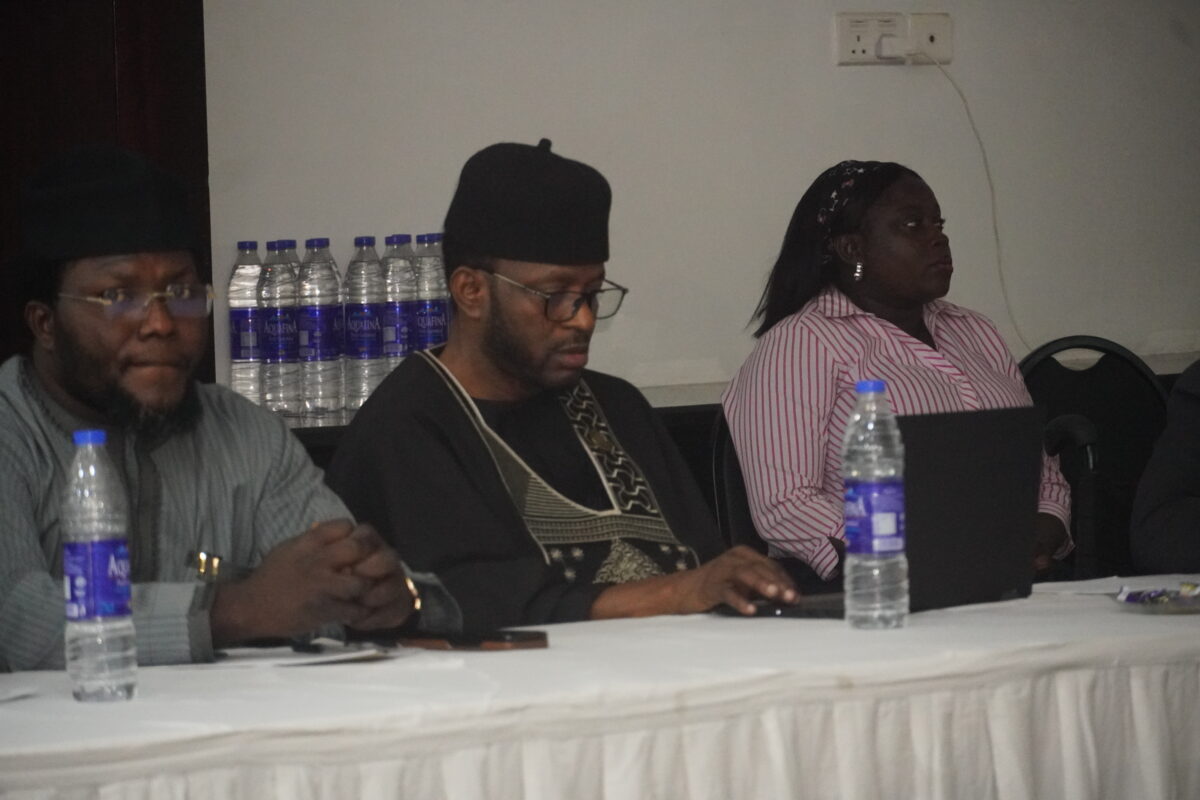
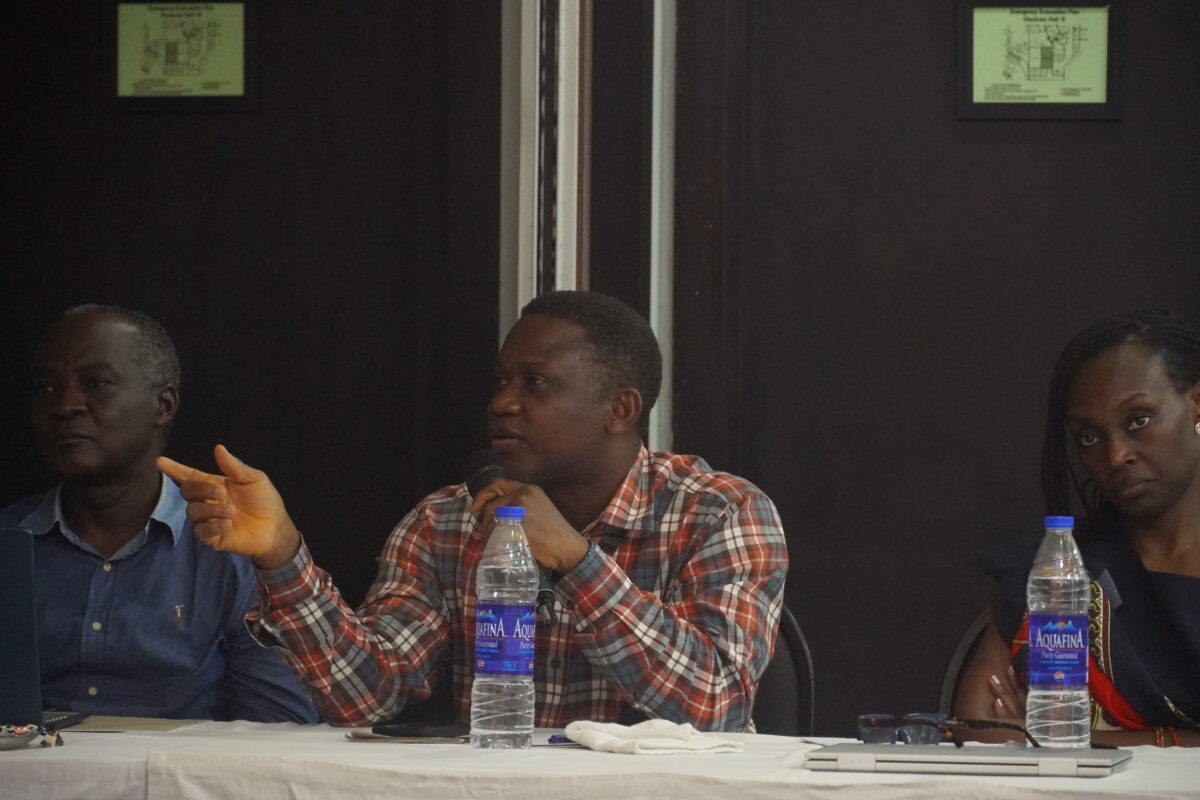
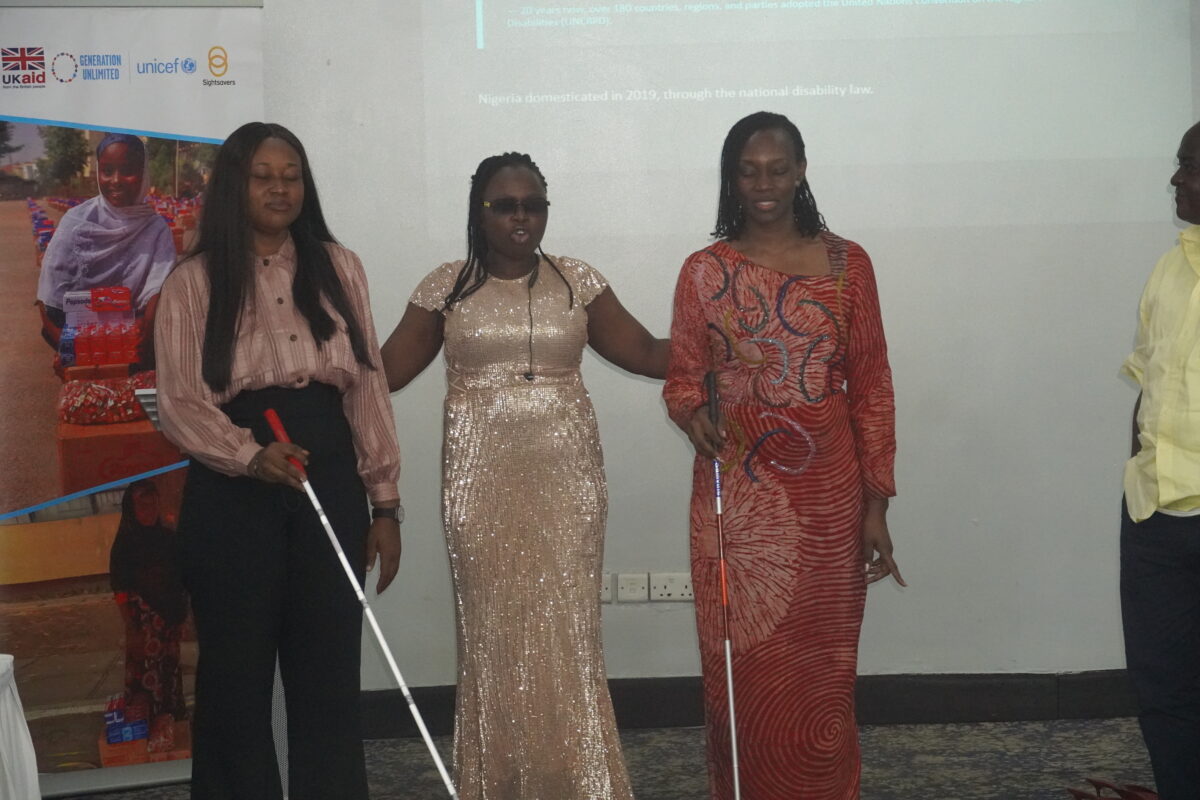
The forum, organized by Sightsavers Nigeria with funding support from the Foreign, Commonwealth and Development Office (FCDO) and managed by UNICEF, brought together stakeholders from the financial sector, regulatory institutions, development partners, fintech companies, and Organizations of Persons with Disabilities (OPDs) to review findings from a research study on barriers to financial inclusion faced by PWDs in Nigeria.
According to the presidential aide, financial inclusion is not merely an economic objective but a fundamental issue of rights, dignity, equity, and equal opportunities.
“A society where millions of citizens are unable to access financial services because of disability-related barriers is a society that is limiting its own economic growth, innovation, and social progress,” he said.
Abba Isa noted that while the government has established legal frameworks to protect the rights of Persons with Disabilities, greater emphasis must now be placed on implementation and accountability.
He disclosed that his office would continue to advocate for stronger disability-inclusive financial regulations and support the enforcement of accessibility standards across financial institutions nationwide.
The SSA further stated that the Office of the Senior Special Assistant to the President on Special Needs and Equal Opportunities would strengthen collaboration among regulators, banks, fintech companies, development partners, and OPDs to ensure that policy commitments translate into measurable outcomes.
He also highlighted the importance of monitoring and accountability mechanisms, including accessibility audits, compliance tracking systems, and inclusion performance indicators within the financial sector.
Recognizing the role of evidence-based policymaking, Abba Isa described the GESP study as a valuable resource that provides critical data needed to shape responsive reforms and improve access to financial services for Persons with Disabilities.
He stressed the need for disability-disaggregated data and increased investment in research to better understand and address the challenges confronting PWDs in accessing financial services.
The presidential aide further advocated for increased financial literacy among Persons with Disabilities and disability inclusion training for financial sector personnel, noting that awareness and capacity building remain essential for sustainable inclusion.
As Nigeria accelerates its digital transformation agenda, Abba Isa urged financial institutions and fintech operators to ensure that banking applications, digital payment platforms, and other financial technologies are accessible to individuals with visual, hearing, physical, and intellectual disabilities.
In his goodwill message, the Executive Secretary of the National Commission for Persons with Disabilities (NCPWD), Barr. Ayuba Gufwan, called on financial institutions and regulators to view disability inclusion as a matter of rights, compliance, market expansion, and sustainable development rather than charity.
He observed that millions of Nigerians with disabilities remain excluded from the financial system due to structural barriers, despite the protections provided by the Discrimination Against Persons with Disabilities (Prohibition) Act, 2018.
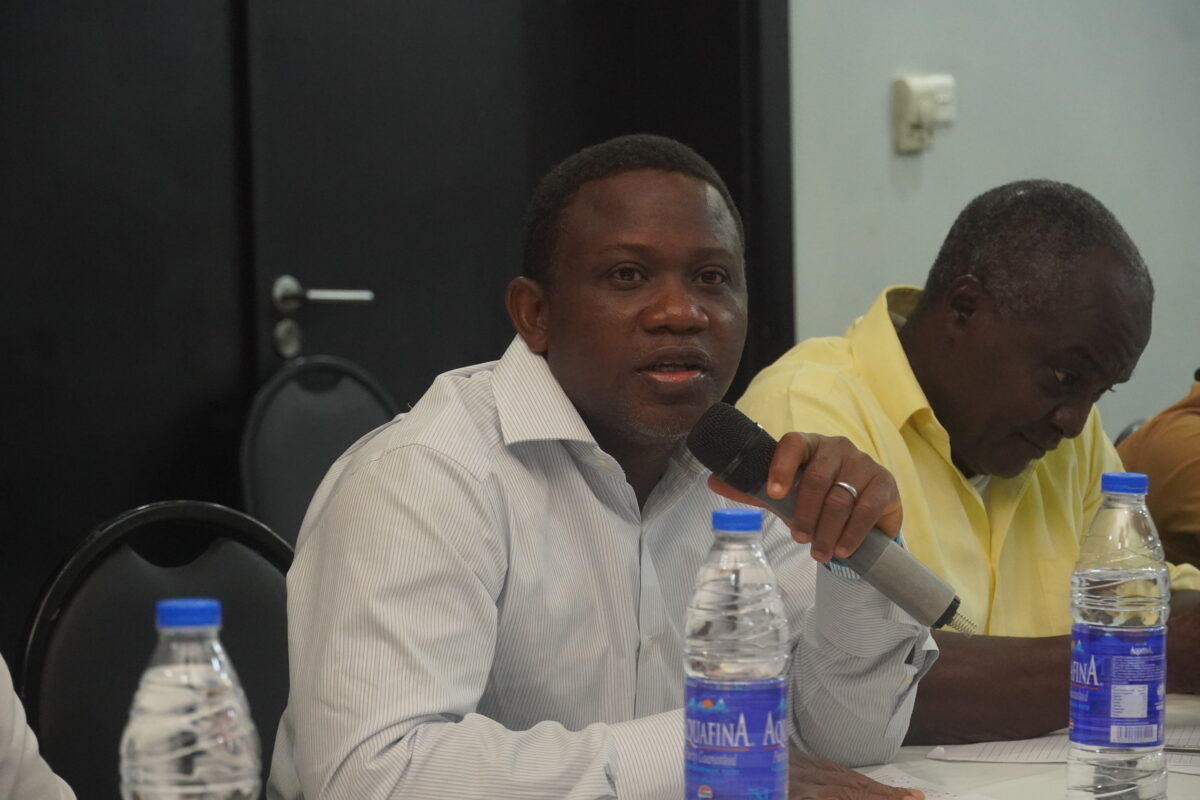
Gufwan reaffirmed the Commission’s commitment to collaborating with government institutions, the private sector, development partners, and civil society organizations to advance inclusive financial systems that leave no one behind.
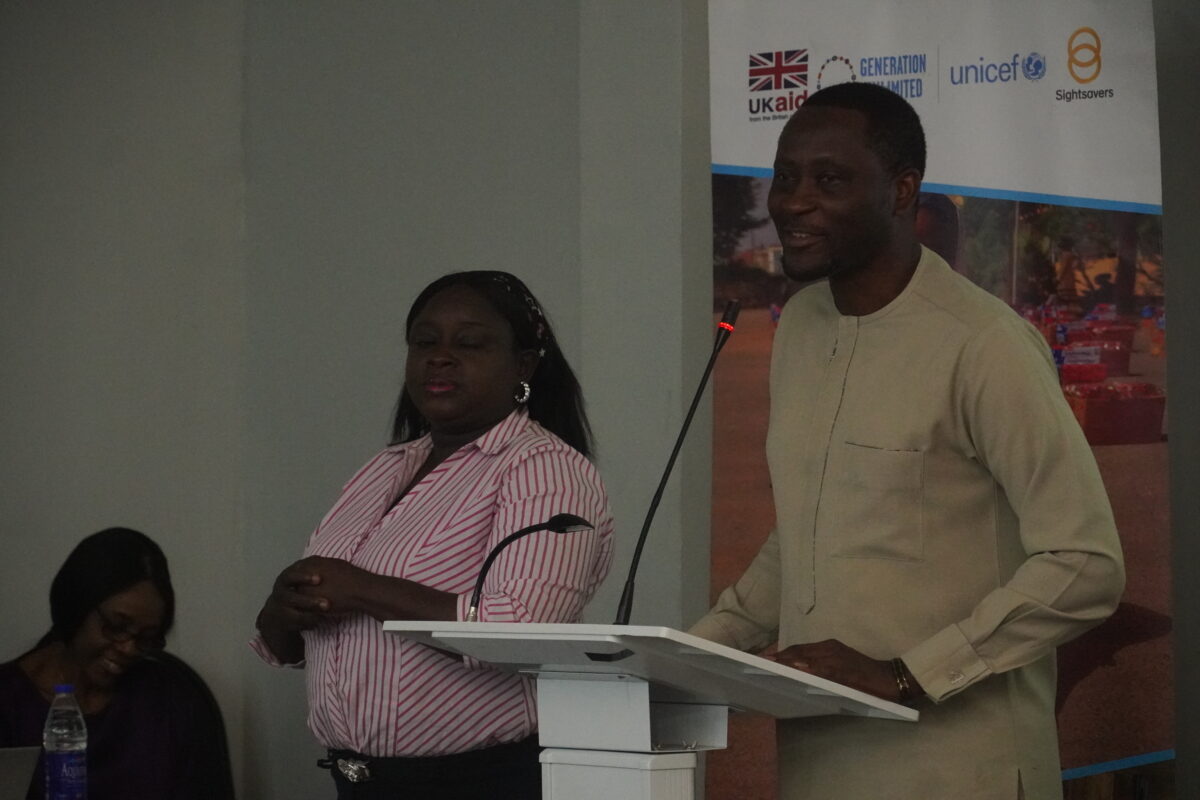
Presentations at the forum highlighted several barriers confronting Persons with Disabilities, including inaccessible banking infrastructure, discriminatory attitudes, inadequate digital accessibility, communication challenges, difficulties in account opening, and limited disability-sensitive financial products.
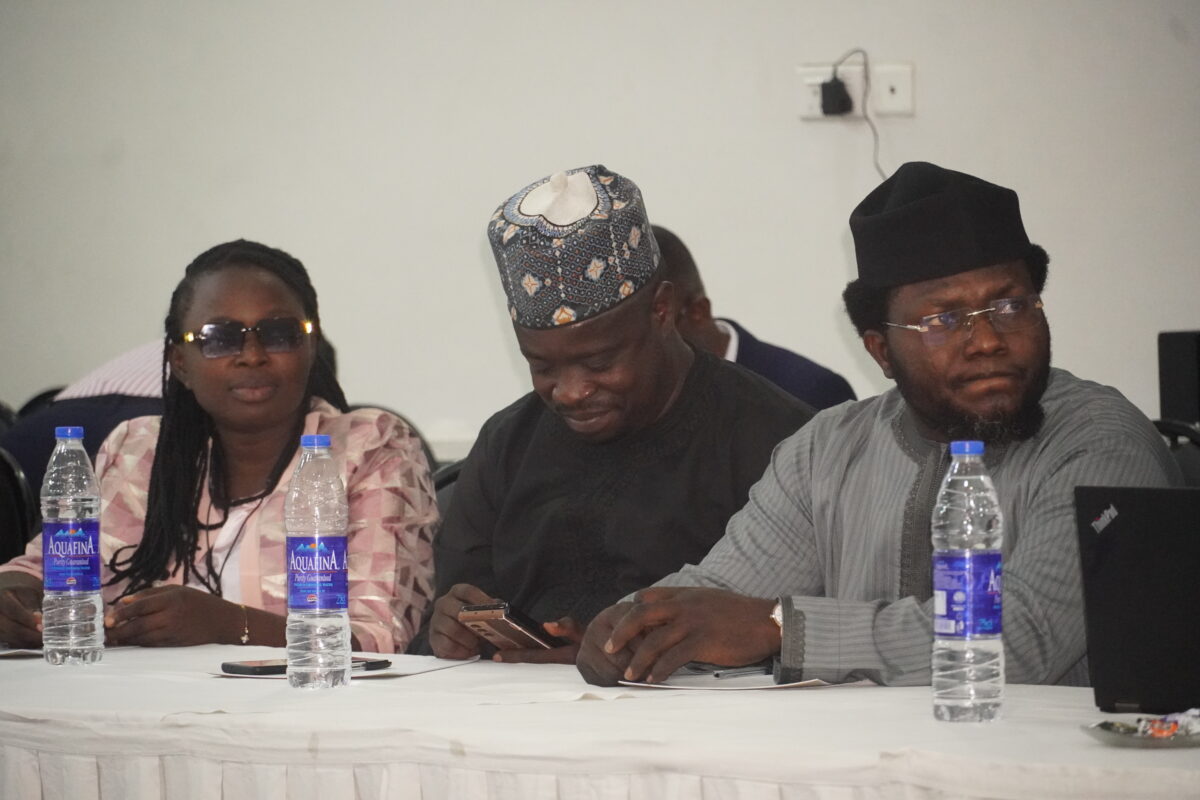
Stakeholders also recommended accessibility audits of banking facilities, improved digital banking solutions, employment of sign language interpreters, adoption of universal design principles, stronger policy enforcement, and greater engagement with Organizations of Persons with Disabilities.
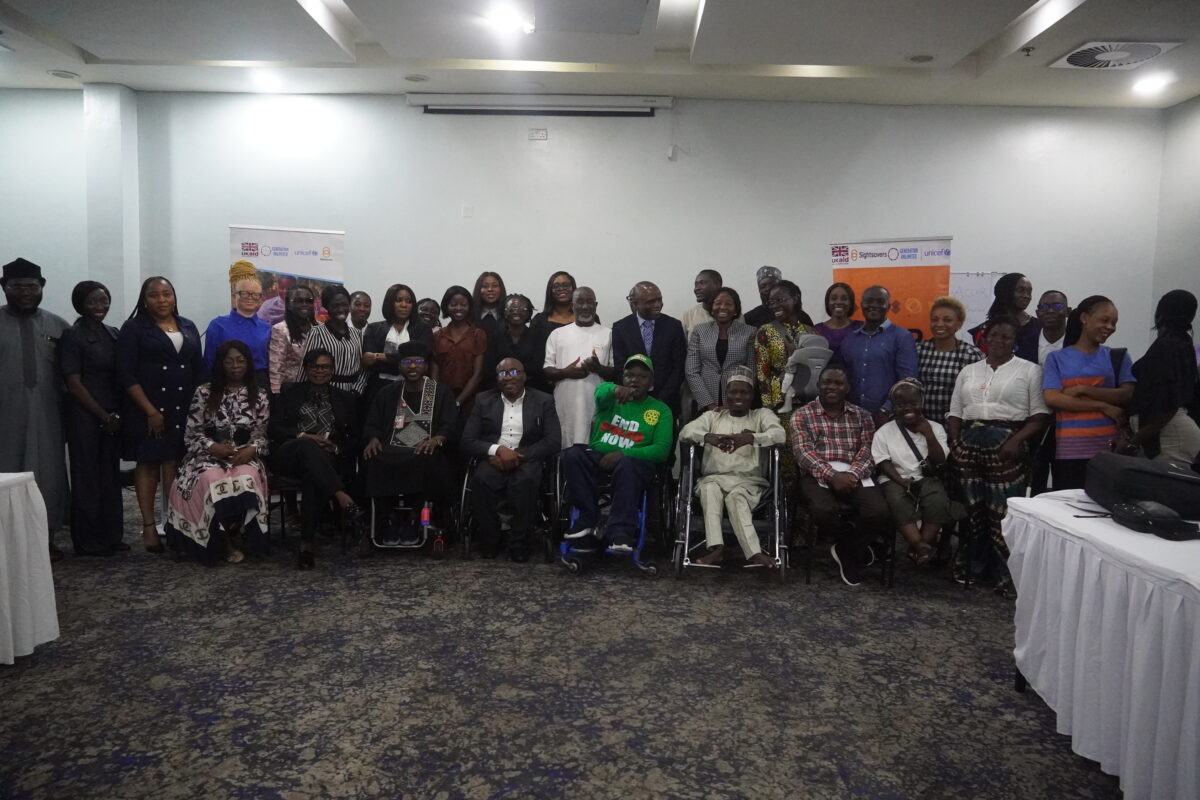
The forum concluded with a renewed commitment by stakeholders to work collectively toward building a more accessible, inclusive, and equitable financial system that empowers Persons with Disabilities to participate fully in Nigeria’s economic development.
