
By Lanre Oloyede
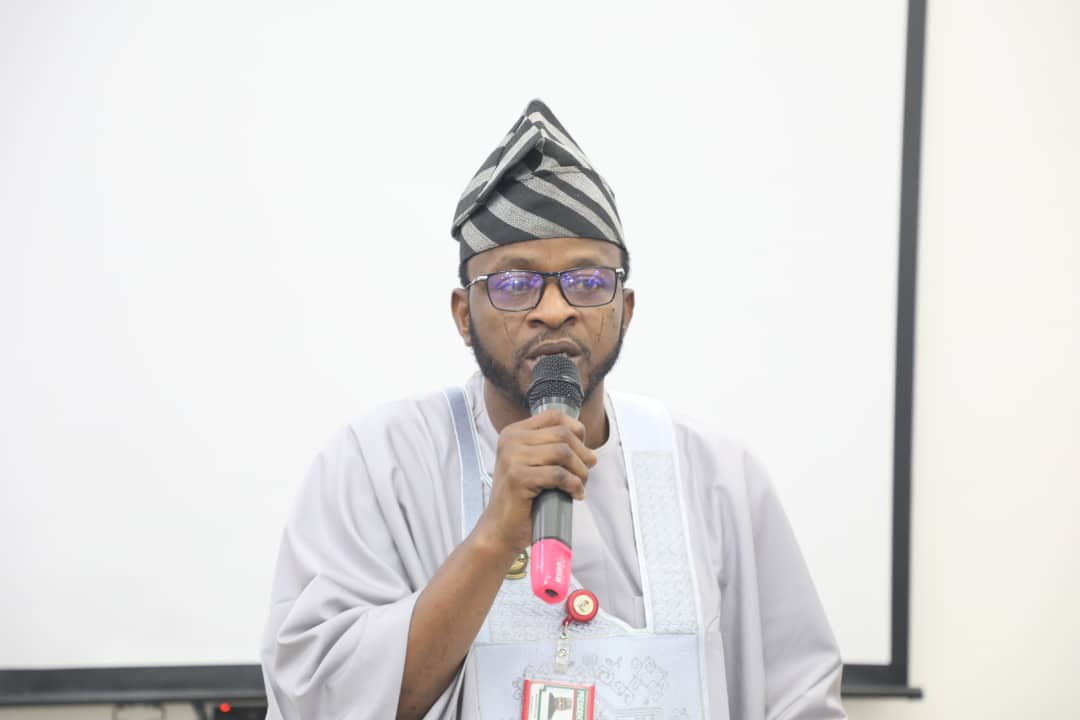
The Senior Special Assistant to the President on Special Needs and Equal Opportunities, Mohammed Abba Isa, has outlined key recommendations for achieving effective disability-disaggregated data in Nigeria.
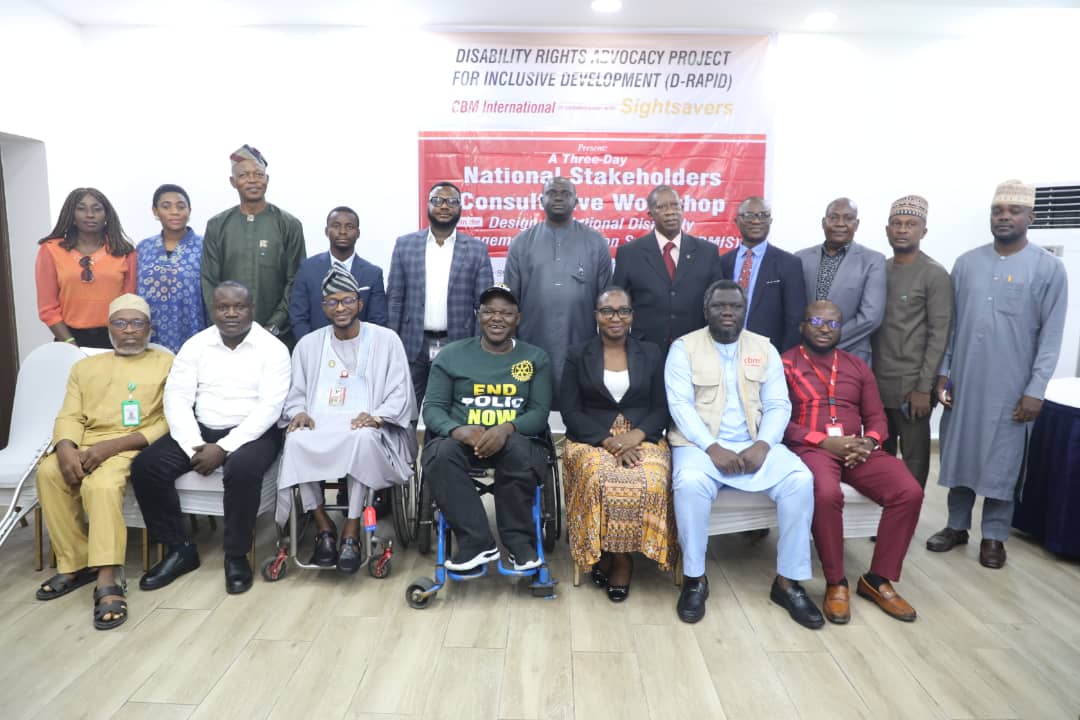
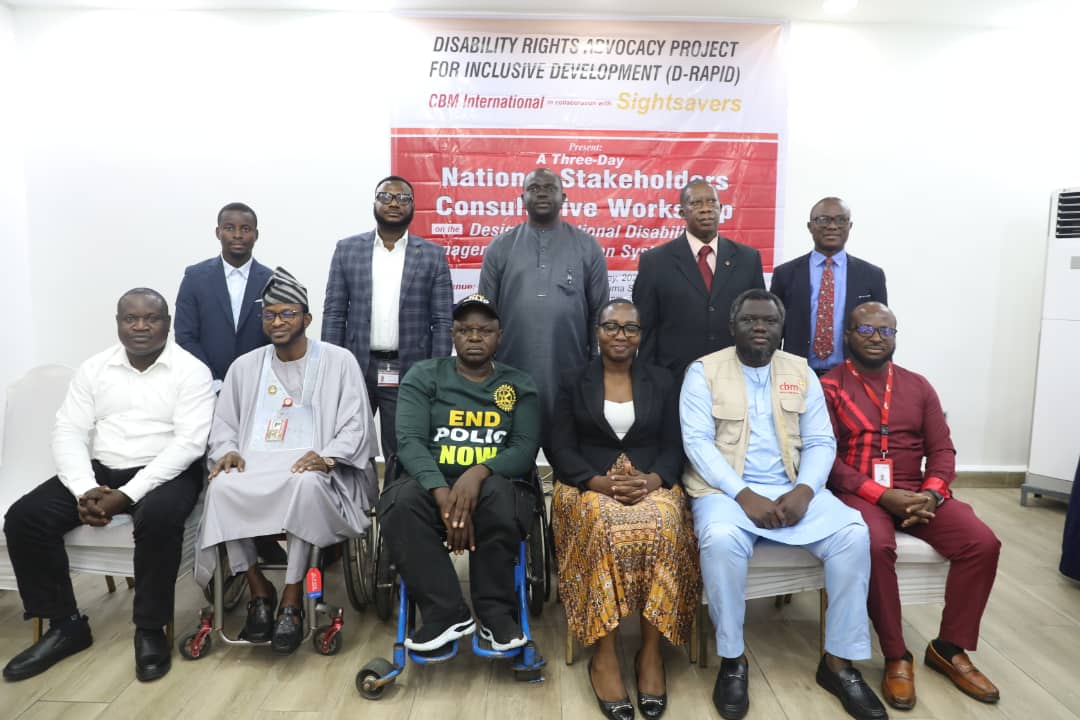
Abba Isa made the recommendations during a three-day Stakeholders Consultative Workshop on strengthening the implementation of the National Disability Management Information System (NDMIS), organised by the Planning, Research and Statistics Department of the National Commission for Persons with Disabilities with support from CBM International and Sightsavers.
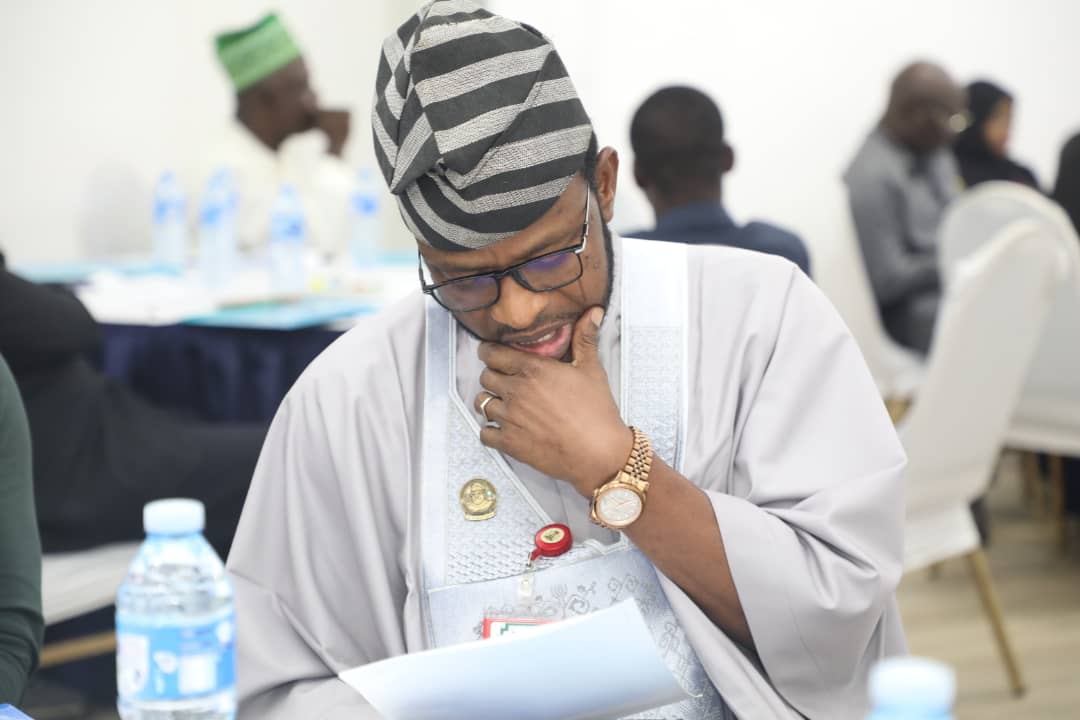
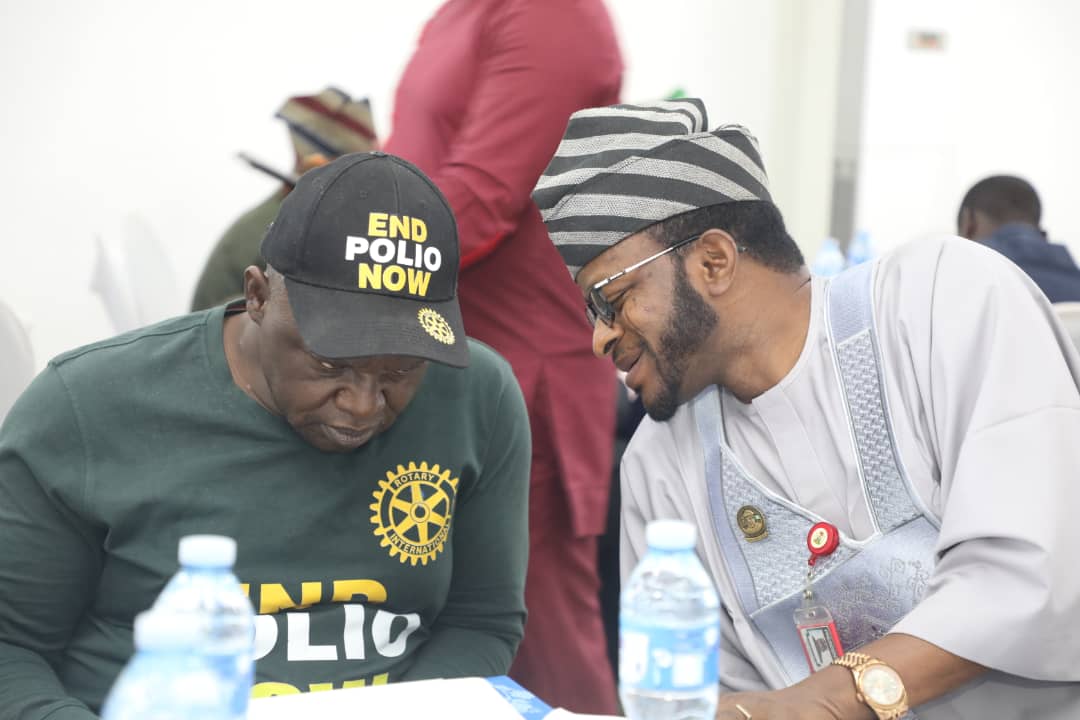
The workshop, which brought together relevant Ministries, Departments and Agencies (MDAs), was aimed at improving collaboration, data sharing, and effective participation in the NDMIS project. Participants also discussed reporting templates, expectations, and frameworks for integrating disability data into national planning and development processes.
Speaking at the event, Abba Isa stressed that one of the greatest challenges facing disability inclusion in Nigeria remains the absence of credible and reliable disability-disaggregated data.
According to him, accurate data is essential for effective planning, budgeting, implementation, monitoring, and evaluation of policies and programmes targeted at Persons with Disabilities.
“Without accurate disability data, inclusion becomes difficult to measure, and the needs of Persons with Disabilities risk remaining invisible in national development processes,” he said.
The presidential aide noted that the Renewed Hope Agenda of President Bola Ahmed Tinubu prioritises inclusivity, equal opportunities, and leaving no one behind.
He added that sustainable national development cannot be achieved when millions of Nigerians with disabilities are excluded from planning frameworks due to lack of data visibility.
Abba Isa also highlighted efforts by the Office of the Senior Special Assistant to the President on Special Needs and Equal Opportunities in championing disability-inclusive governance and evidence-based policymaking.
He said the office has consistently advocated for the integration of disability indicators into government programmes and intervention frameworks, greater inclusion of Persons with Disabilities in social investment and empowerment schemes, and improved accessibility to data collection processes and digital systems.
Among the recommendations presented at the workshop was the need to institutionalise disability data collection across all MDAs by mainstreaming disability indicators into routine data collection systems, programme registration platforms, and reporting templates.
He also called for regular capacity-building programmes for government officials, statisticians, planners, and field officers on disability-inclusive data collection methodologies and accessibility standards.
The presidential aide further recommended community-based data validation involving Organisations of Persons with Disabilities and community stakeholders to improve accuracy and public trust in disability data systems.
On sustainability, Abba Isa urged the government to ensure adequate budgetary allocation for disability data management, research, monitoring, and maintenance of data systems.
To strengthen collaboration, he proposed the establishment of a Joint Technical Working Group between the Office of the SSA and the National Commission for Persons with Disabilities to align disability data initiatives, policy advocacy, and implementation strategies.
He also advocated expanded collaboration with development partners and the National Bureau of Statistics to enhance technical expertise, funding opportunities, and the integration of disability indicators into national surveys and census activities.

May Allah continues to strengthen the president for his assistance for people living with disabilities in the country