By Lanre Oloyede
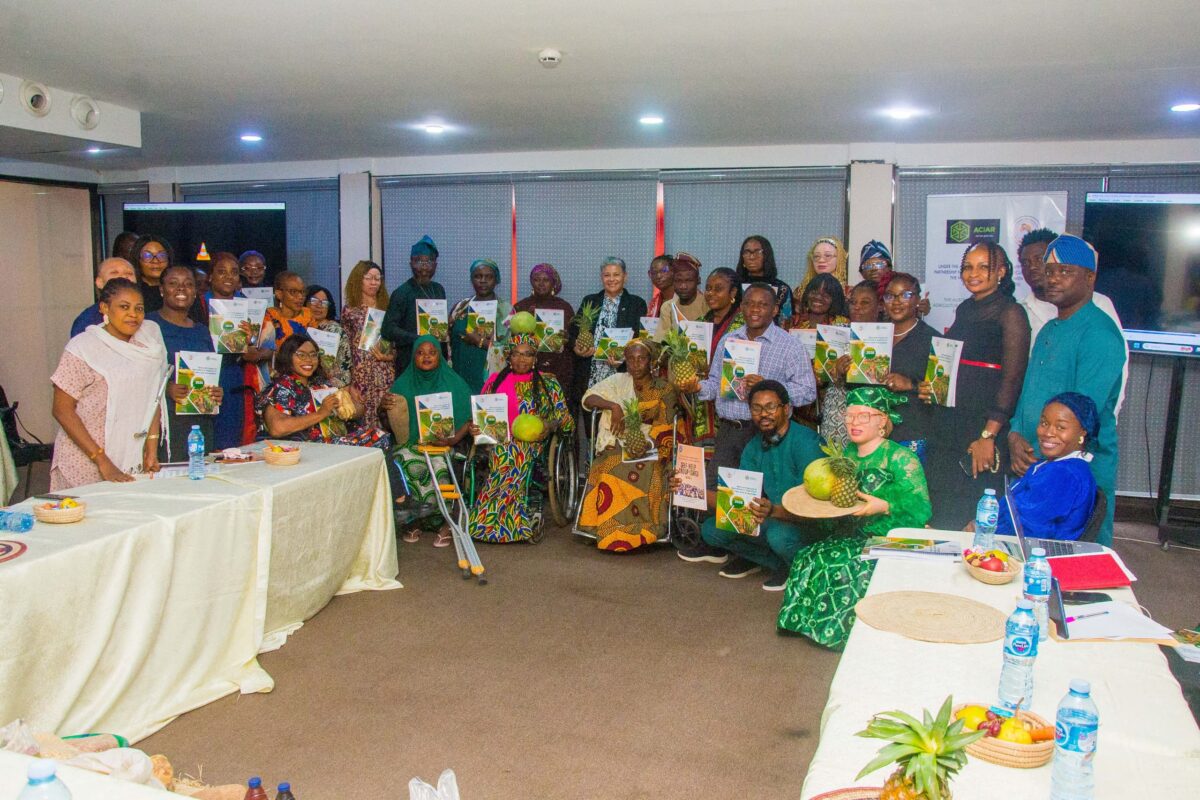
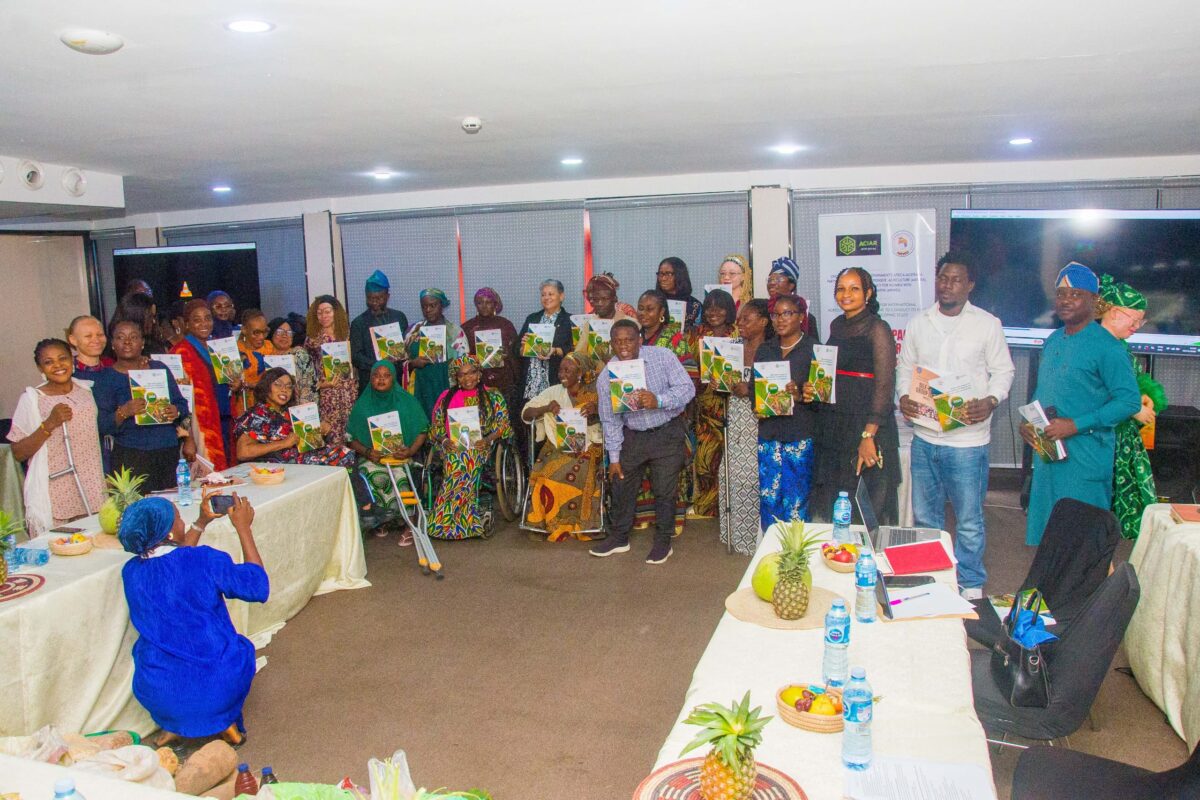
The Senior Special Assistant to the President on Special Needs and Equal Opportunities, Hon. Mohammed Abba Isa, has endorsed the findings of a research study on the role and impact of agriculture on women with disabilities in Nigeria conducted by the Advocacy for Women with Disabilities Initiative (AWWDI).
Speaking at the launch of the research findings, Hon. Abba Isa commended the Advocacy for Women with Disabilities Initiative (AWWDI) and the Australian Centre for International Agricultural Research (ACIAR) for what he described as a groundbreaking initiative aimed at promoting inclusion and economic empowerment for women with disabilities.
According to the presidential aide, the research goes beyond academic documentation and serves as a strategic intervention that amplifies the voices, struggles, aspirations, and economic realities of women with disabilities working within Nigeria’s agricultural sector.
“Agriculture remains one of the strongest pillars of Nigeria’s economy. Beyond food security, it contributes significantly to the nation’s Gross Domestic Product, supports millions of livelihoods, drives rural development, and serves as a powerful tool for employment generation, poverty eradication, and wealth creation,” he said.
Abba Isa noted that with Nigeria’s vast arable land, favourable climate conditions, and energetic population, agriculture possesses enormous potential to transform lives and lift millions out of poverty through opportunities across farming, processing, transportation, storage, marketing, and exportation value chains.
He emphasized that for many women with disabilities, agriculture represents more than a profession, describing it as a source of survival, dignity, independence, and empowerment.
“Across communities in Nigeria, women with disabilities engage in crop farming, livestock production, fisheries, poultry, food processing, and agribusiness activities that sustain households and contribute meaningfully to local economies,” he stated.
According to him, many women with disabilities rely on agriculture as a pathway to economic inclusion despite societal discrimination, inaccessible environments, and structural barriers.
The presidential aide, however, highlighted several challenges confronting women with disabilities in the agricultural sector, including limited access to arable land caused by cultural restrictions and discriminatory inheritance systems.
He also identified poor access to finance, noting that many financial institutions still lack inclusive loan facilities and accessible banking services tailored to the needs of persons with disabilities.
Other challenges listed include inadequate access to improved seedlings, fertilizers, mechanized farm equipment, irrigation support, modern agricultural inputs, extension services, and technical knowledge needed to improve productivity.
Abba Isa further lamented that inaccessible transportation systems and poor rural infrastructure continue to limit mobility and market access for women farmers with disabilities.
He noted that insecurity, particularly insurgency and violent conflicts in parts of the Northeast, has displaced many women with disabilities from their farms and livelihoods, leaving several of them in Internally Displaced Persons (IDP) camps where their productive capacities remain underutilized.
“This situation calls for urgent, coordinated, and inclusive interventions,” he said.
The presidential aide stated that the administration of President Bola Ahmed Tinubu remains committed to inclusive economic growth and agricultural transformation under the Renewed Hope Agenda.
According to him, agriculture has been prioritised as a strategic sector for food security, poverty reduction, youth employment, and national development.
He disclosed that the administration continues to invest in agricultural mechanization, fertilizer distribution, rural farming support, irrigation expansion, improved seedlings, livestock development, and agribusiness financing initiatives aimed at boosting productivity nationwide.
Importantly, he stressed that the government recognises that development cannot be complete when Persons with Disabilities are excluded from national programmes and opportunities.
“Our office continues to advocate strongly for the inclusion of women and persons with disabilities in agricultural empowerment programmes, grants, training opportunities, cooperative schemes, and social investment initiatives,” he said.
Abba Isa added that his office is collaborating with relevant ministries, development partners, and stakeholders to ensure agricultural interventions are accessible, equitable, and responsive to the realities of Persons with Disabilities.
Speaking on the significance of the research, he said the findings provide credible data and practical insights capable of shaping planning, budgeting, programme design, and policy implementation for disability-inclusive agriculture.
According to him, the report will help identify existing gaps, improve resource allocation, strengthen targeted interventions, and enhance economic participation and productivity among women with disabilities.
“Most importantly, it gives visibility to a population that has long been marginalized within development conversations,” he stated.
He urged policymakers, donor agencies, financial institutions, agricultural stakeholders, and private sector actors to prioritise disability-inclusive agriculture in all programmes and interventions.
“We must build an agricultural system where no woman is excluded because of disability. We must create opportunities where women with disabilities can access land, funding, technology, training, markets, and protection. We must ensure that inclusion moves from policy statements to practical realities,” he said.
